


Probiotics vs Prebiotics: Complete Guide to Gut Health Benefits
In recent years, "gut health" has transitioned from a niche medical topic to a mainstream wellness priority across India. From our grandmothers insisting on a bowl of dahi (curd) with lunch to modern nutritionists prescribing specialized supplements, the focus on what happens inside our digestive system has never been sharper. However, with this increased awareness comes a significant amount of confusion, particularly regarding two buzzwords that sound remarkably similar but perform very different roles: Probiotics and Prebiotics.
If you have ever stood in a pharmacy aisle or scrolled through health websites wondering whether you need to take Prebiotics or Probiotics, or perhaps both, you are not alone. It is one of the most common questions fielded by gastroenterologists today. While the names differ by only one letter, their functions within your body are distinct. Understanding the difference between Prebiotics vs Probiotics is not just a matter of vocabulary; it is the key to unlocking better digestion, stronger immunity, and overall well-being.
At the heart of this discussion is the "gut microbiome"—a vast, complex ecosystem of trillions of bacteria, fungi, and other microorganisms living primarily in your large intestine. Think of your gut as a garden. For this garden to thrive, it needs two things: seeds (the healthy bacteria) and fertilizer (the food that helps them grow). This analogy is the simplest way to understand the relationship between Prebiotics and Probiotics, but the science goes much deeper.
This comprehensive guide is designed to answer the most common patient-style questions we see in gastroenterology practice. Whether you are managing specific digestive issues like IBS, recovering from a course of antibiotics, or simply looking to optimize your long-term health, this article will provide clear, evidence-based answers. We will explore the real differences, the specific benefits of each, the best natural Indian food sources, and how to use them safely to support a thriving gut microbiome.
What Are Probiotics and How Do They Work in the Gut?
Definition and Mechanism
Probiotics are live microorganisms—often referred to as "good" or "friendly" bacteria—that provide specific health benefits when consumed in adequate amounts. These are the "seeds" in our garden analogy. The concept of consuming live bacteria might sound unsettling to some, but humanity has been doing it for centuries through fermented foods.
The journey of a probiotic is perilous. To be effective, these microscopic warriors must survive the highly acidic environment of your stomach (where pH levels can be as low as 1.5 to 3.5) and the enzymatic breakdown in the small intestine to eventually reach the colon (large intestine). Once there, they must "colonize" or temporarily take up residence. They do not necessarily stick around forever; instead, they pass through your system, interacting with your immune cells, fighting off harmful pathogens, and strengthening the gut barrier before exiting.
Common Types and Strains
While there are hundreds of species, the most common Probiotics fall into two main groups, which you will often see listed on supplement labels or food packaging:
- Lactobacillus: This is perhaps the most famous group, found naturally in yogurt and other fermented foods. Different strains within this group can help with diarrhea and may help people who cannot digest lactose, the sugar in milk.
- Bifidobacterium: You can find these bacteria in some dairy products. They are crucial for breaking down fiber and other complex carbohydrates. They naturally inhabit the colon and are often lower in people suffering from conditions like Irritable Bowel Syndrome (IBS).
- Saccharomyces boulardii: Unlike the others, this is actually a yeast, not a bacterium. It is widely used in India to help fight diarrhea, specifically antibiotic-associated diarrhea and traveler's diarrhea.
What Are the Main Health Benefits of Probiotics?
The benefits of Probiotics extend far beyond just "aiding digestion." Research has shown their potential in several key areas:
- Digestive Health Restoration: They are the first line of defense when the gut balance is disturbed. For instance, infectious diarrhea (often caused by viruses or parasites) can be shortened by specific probiotic strains.
- Antibiotic Recovery: Antibiotics are life-saving drugs, but they act like a forest fire in the gut, killing both bad infection-causing bacteria and the good beneficial ones. Taking Probiotics during and after a course of antibiotics can help repopulate the gut and prevent "antibiotic-associated diarrhea."
- Management of IBS Symptoms: For many Indians suffering from Irritable Bowel Syndrome (IBS), symptoms like bloating, gas, and irregular bowel movements are a daily struggle. Specific strains of Bifidobacterium have been shown to reduce bloating and improve stool consistency.
- Immune System Support: A staggering 70% of your immune system resides in your gut. Probiotics communicate with immune cells, training them to distinguish between harmless food particles and dangerous invaders, thereby potentially reducing the risk of respiratory infections and allergies.
What Are Prebiotics and How Are They Different from Probiotics?
Definition and Mechanism
While probiotics are the live bacteria themselves, Prebiotics are the food that feeds them. Technically, Prebiotics are types of dietary fiber that the human body cannot digest. We lack the enzymes to break down these complex carbohydrates. As a result, they bypass digestion in the stomach and small intestine and arrive largely intact in the colon.
Once they reach the colon, the "good" bacteria (like Bifidobacteria and Lactobacilli) begin to ferment these fibers. This fermentation process is where the magic happens. It turns the Prebiotics into short-chain fatty acids (SCFAs) like butyrate, acetate, and propionate. These SCFAs are essentially super-fuel for the cells lining your colon, keeping the gut wall strong and healthy.
What Are the Health Benefits of Prebiotics?
The role of Prebiotics is often overshadowed by the popularity of probiotics, but they are equally essential for a sustainable healthy gut.
- Improved Mineral Absorption: Studies suggest that Prebiotics can change the pH of the colon, making it easier for the body to absorb essential minerals like Calcium and Magnesium. This is particularly relevant for maintaining bone health as we age.
- Stool Regularity: Because they add bulk to the stool and influence gut motility, Prebiotics are excellent for preventing constipation. They help keep bowel movements regular and soft.
- Fueling Beneficial Growth: You cannot simply keep adding probiotics to a hostile environment and expect them to survive. Prebiotics change the environment itself, encouraging your native, long-term beneficial bacteria to multiply and thrive.
- Long-Term Digestive Wellness: While probiotics might provide transient benefits as they pass through, Prebiotics help build a self-sustaining ecosystem. They support the production of butyrate, which has powerful anti-inflammatory properties and helps protect the lining of the gut from "leaky gut" issues.
Patient Question: What Is the Difference Between Prebiotic and Probiotic?
This is the most frequent query we encounter. To clarify the confusion once and for all, we must look at the fundamental Difference between prebiotic and probiotic therapies.
The simplest way to remember it is this: Probiotics are the "living creatures," and Prebiotics are the "food" they eat.
When a patient visits a specialized clinic like the Bangalore Gastro Centre, we often explain it using the garden analogy mentioned earlier. You can scatter seeds (Probiotics) all day long, but if the soil has no nutrients (Prebiotics), those seeds will struggle to grow. Conversely, if you have nutrient-rich soil but no seeds, nothing will grow either. They are distinct but partners in health.
Here is a direct comparison to help you understand the core differences:
Feature | Probiotics | Prebiotics |
Nature | Live microorganisms (bacteria or yeast). | Non-living, non-digestible dietary fibers. |
Primary Function | To add to the population of healthy microbes in your gut. | To nourish and stimulate the growth of existing healthy microbes. |
Survival | Fragile; can be killed by heat, stomach acid, or time. | Robust; generally not affected by heat, acid, or digestive enzymes. |
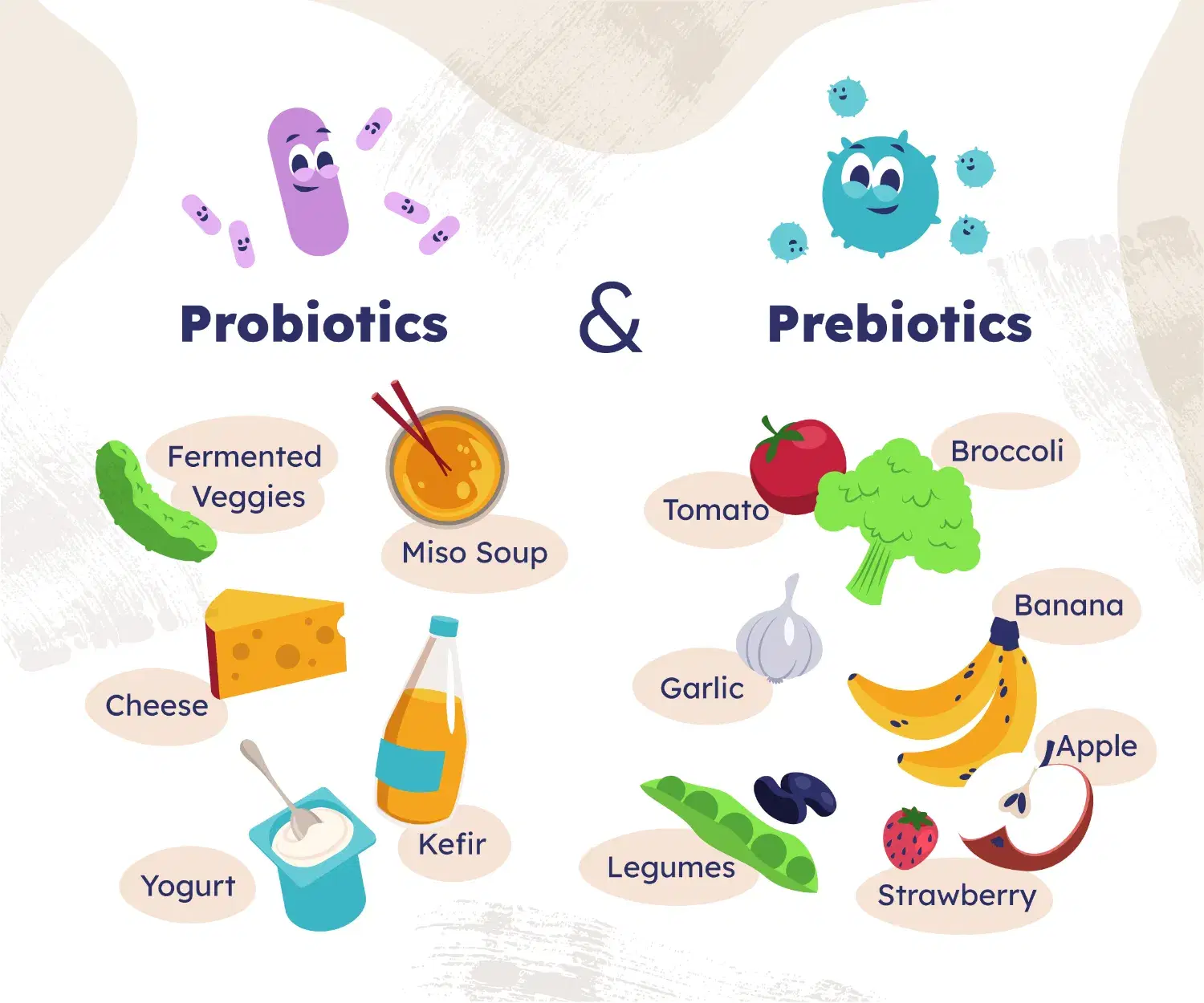
Common Sources | Curd, Yogurt, Kefir, Fermented pickles, Supplements. | Garlic, Onions, Bananas, Asparagus, Whole Grains. |
Action Time | Often provides quicker, transient relief for acute issues. | Works slower to build long-term gut health and stability. |
In the medical community, the distinction is vital because the treatment for a patient with acute infectious diarrhea (who needs Probiotics to fight the pathogen) is different from a patient with chronic low-fiber constipation (who needs Prebiotics to get things moving). Understanding Prebiotics and Probiotics as separate tools allows for better, more targeted health decisions.
Patient Question: Prebiotic vs Probiotic – Which Is Better for Gut Health?
The question of Prebiotic vs Probiotic is not about which one is "better," but rather which one is "right for your current situation." It is like asking if water is better than food—you ultimately need both to survive, but in a moment of extreme thirst, water is the priority.
There is no single "winner" in the Prebiotic vs Probiotic debate because they serve different immediate goals.
When Probiotics May Be "Better"
If your gut ecosystem has been decimated or is under attack, you need immediate reinforcements.
- After Antibiotics: If you have just finished a course of antibiotics for a throat infection or a urinary tract infection, your gut flora diversity is low. In this scenario, Probiotics are superior because you need to physically reintroduce beneficial bacteria to fill the void left by the medication.
- Acute Digestive Distress: For sudden bouts of diarrhea, food poisoning, or a flare-up of IBS symptoms, probiotics often provide faster symptom relief by temporarily balancing the gut environment.
When Prebiotics May Be "Better"
If you are generally healthy but want to improve your digestion, immunity, and regularity, prebiotics are often the superior long-term investment.
- Chronic Constipation: If you struggle with regularity, increasing Prebiotics (fiber) is generally more effective than taking a probiotic capsule.
- Long-Term Maintenance: For someone who wants to prevent future issues, eating a diet rich in Prebiotics ensures that the good bacteria naturally present in your body are well-fed and capable of suppressing harmful invaders.
The Power of Synergy: Synbiotics
Ideally, you should not choose between them. The gold standard for gut health is combining them. This combination is often called a "Synbiotic." For example, eating a bowl of yogurt (Probiotic) topped with sliced bananas (Prebiotic) creates a synbiotic meal. The banana fiber protects the yogurt bacteria as they move through your stomach and then provides them with immediate food once they reach the colon. This synergy makes the Prebiotics vs Probiotics debate irrelevant—they simply work best together.
Patient Question: What Is the Gut Microbiome and Why Is It Important?
To understand why we care about Prebiotics and Probiotics at all, we must answer: What is the gut microbiome?
The Gut microbiome refers to the massive community of viruses, bacteria, fungi, and protozoa that live inside your digestive tract. We are talking about nearly 100 trillion microbial cells—outnumbering your own human cells. For a long time, scientists thought these bacteria were just "hitchhikers," but we now know they are more like a "hidden organ" that is crucial for human life.
Why Is It Important?
A balanced Gut microbiome affects nearly every aspect of your health:
- Digestion and Nutrient Absorption: Certain foods, especially tough plant fibers, cannot be digested by the human stomach. Your microbiome breaks these down. Without a healthy microbiome, you might eat healthy food but fail to absorb the vitamins and nutrients from it.
- Immune System Regulation: A diverse microbiome acts as a training camp for your immune system. It teaches your body to tolerate harmless environmental triggers (like pollen or peanuts) while attacking dangerous viruses. An imbalance in the Gut microbiome—known as dysbiosis—is linked to autoimmune diseases and chronic inflammation.
- The Gut-Brain Connection: Have you ever felt "butterflies" in your stomach when nervous? That is the gut-brain axis at work. The microbiome produces neurotransmitters like serotonin (the happiness chemical). In fact, 95% of your body's serotonin is produced in the gut! An unhealthy microbiome has been linked to anxiety, depression, and brain fog.
- Weight and Metabolism: Emerging research suggests that the type of bacteria in your gut influences how your body stores fat and how you feel hunger. A diverse microbiome is often seen in individuals with a healthy weight range.
At specialized centers like Bangalore Gastro Centre, specialists often look at the health of the microbiome when treating complex conditions. For example, in conditions like Crohn's Disease: Symptoms, Treatment & Management Strategies, managing the microbiome is a critical part of the long-term care strategy. This is why incorporating both Prebiotics and Probiotics is not a fad—it is a foundational pillar of modern health.
Best Natural Food Sources of Prebiotics and Probiotics
You do not always need expensive supplements. The Indian diet is naturally rich in sources of both.
Foods Rich in Probiotics for Daily Gut Health
These foods contain live, active cultures. To get the benefits, try to consume them raw or without excessive heating, as high heat kills the bacteria.
- Curd (Dahi): The most common Indian superfood. Homemade dahi is an excellent source of Lactobacillus. It is cooling, aids digestion, and is suitable for almost everyone.
- Idli and Dosa Batter: Traditional fermentation of rice and urad dal creates a batter rich in beneficial bacteria. The fermentation process also breaks down anti-nutrients, making the nutrients easier to absorb.
- Kefir: A fermented milk drink similar to thin yogurt but with a much higher diversity of bacteria and yeast. It is becoming increasingly available in Indian metros.
- Traditional Pickles (Achar): Note that we are talking about naturally fermented pickles made with salt and sun-drying, not the commercial ones drowned in vinegar and preservatives. Vinegar-based pickles do not contain live Probiotics.
- Kanji: A traditional North Indian fermented drink made from black carrots, mustard seeds, and water. It is a potent probiotic tonic, especially popular in winters.
Foods Rich in Prebiotics for a Stronger Gut
These foods are high in fermentable fibers like inulin and resistant starch.
- Garlic and Onions: These staples of Indian cooking are powerhouses of inulin fiber. Eating them raw (like in salads or chutneys) provides the most Prebiotics, but cooked is also beneficial.
- Bananas: Especially slightly unripe (greenish) bananas. They contain resistant starch that acts as a powerful prebiotic.
- Oats and Barley: These grains contain beta-glucan, a fiber that feeds gut bacteria and also helps lower cholesterol.
- Chicory Root: Often found blended in Indian coffee, chicory root is one of the most concentrated sources of inulin available.
- Apples: They contain pectin, a natural fiber that increases butyrate (a short-chain fatty acid) in the gut.
How Prebiotics and Probiotics Work Better Together in Food
Try these simple Indian combinations for a "Synbiotic" effect:
- Curd Rice (Probiotic) with a side of raw onion (Prebiotic).
- Oats porridge (Prebiotic) topped with chopped bananas (Prebiotic) and a dollop of yogurt (Probiotic).
- Idli (Probiotic) with coconut chutney containing garlic (Prebiotic).
When Should You Take Prebiotics and Probiotics?
Timing and context matter. While food sources are generally safe to eat anytime, there are specific situations where you might want to be more intentional about your intake of Prebiotics and Probiotics.
Situations Where Probiotics May Be Helpful
- During and After Antibiotics: If your doctor prescribes antibiotics, ask if you should take a probiotic. A common rule of thumb is to take the probiotic at least 2 hours after the antibiotic dose to prevent the medication from killing the probiotic bacteria immediately. Continue the probiotic for a week or two after the antibiotic course finishes.
- While Traveling: "Delhi Belly" or traveler's diarrhea is common due to exposure to new bacteria. Taking a probiotic supplement (specifically Saccharomyces boulardii) a few days before and during a trip can act as a shield.
- Digestive Upset: If you are experiencing temporary gas, bloating, or loose motions, a short course of Probiotics can help settle the stomach.
Situations Where Prebiotics Support Long-Term Gut Health
- Daily Maintenance: Unlike probiotics, which are often situational, Prebiotics should be part of your daily lifestyle. If you have a sedentary job or a low-fiber diet, consciously adding prebiotic foods is essential.
- Improving Regularity: If you find your bowel movements are sluggish, slowly increasing prebiotic intake (like adding a banana or oats to breakfast) is the best natural remedy.
Safety Note: While generally safe, suddenly introducing massive amounts of Prebiotics (fiber) can cause gas and bloating as the bacteria work overtime to ferment it. Start slow. Also, people with specific conditions like SIBO (Small Intestinal Bacterial Overgrowth) or severe Crohn's Disease should consult a specialist before taking concentrated prebiotic supplements, as it might worsen symptoms.
Common Myths About Prebiotics vs Probiotics
In the world of gut health, misinformation spreads fast. Let’s bust some common myths surrounding Prebiotics vs Probiotics.
Myth-Busting: Are Prebiotics and Probiotics the Same?
False. As we have established, one is the organism (bacteria), and the other is the food (fiber). Using them interchangeably is like confusing a pet with pet food. You need both, but they are definitely not the same thing.
Do More Probiotics Always Mean Better Gut Health?
False. More is not always better. Taking a supplement with 50 billion CFUs (Colony Forming Units) is not necessarily better than one with 5 billion. The strain matters more than the count. For example, a specific strain might be good for constipation but useless for immunity. Furthermore, overwhelming your system with too many probiotics can sometimes lead to temporary brain fog or bloating.
Myth: All Yogurt is Probiotic.
False. Many commercial yogurts are pasteurized (heated) after fermentation to increase shelf life. This heat kills the live bacteria. Always look for labels that say "Live and Active Cultures." If the yogurt is stored on a non-refrigerated shelf, it likely does not have live probiotics.
Gut Health Habits Recommended by Gastro Experts
While pills and powders are popular, true gut health is built on daily habits. Here are lifestyle tips often recommended by experts at clinics like Bangalore Gastro Centre.
Everyday Habits to Support Your Gut Microbiome Naturally
- Hydration is Key: Fiber (Prebiotics) needs water to work. If you eat a lot of fiber but don't drink enough water, you can actually get constipated. Aim for 2.5 to 3 liters of water daily.
- Manage Stress: Your gut and brain are connected. High stress releases cortisol, which can physically alter your gut bacteria composition. Yoga and meditation are excellent for gut health.
- Prioritize Sleep: Your microbiome has a circadian rhythm too. Erratic sleep schedules can disrupt the balance of your gut flora.
- Chew Your Food: Digestion starts in the mouth. Chewing thoroughly breaks down food mechanically, making it easier for your gut bacteria to do their job later on.
Expert Video: Foods That Support a Healthy Small Intestine
For a deeper dive into how specific foods affect the small intestine—especially concerning conditions like SIBO (Small Intestinal Bacterial Overgrowth)—visual learning can be very effective.
Video Resource: Eat These Fantastic Foods for a Healthy Small Intestine!
What you will learn from this video:
In this educational video, experts discuss the delicate balance of the small intestine. You will learn why certain "healthy" foods (like cruciferous vegetables or excess dairy) might actually cause bloating for people with bacterial overgrowth. The video highlights gut-friendly alternatives such as root vegetables (carrots, beets), specific nuts (almonds, walnuts), and the importance of cutting down sugar to starve bad bacteria. It is a fantastic resource for understanding how dietary choices directly impact bacterial balance.
Frequently Asked Questions About Prebiotics and Probiotics
Can I take Prebiotics and Probiotics together?
Yes, absolutely. Taking them together is often called "Synbiotic therapy." It is highly effective because the prebiotic fiber acts as a packed lunch for the probiotic bacteria, ensuring they have the energy to survive the journey through your gut and colonize effectively.
Are Probiotics safe for daily use?
For most healthy individuals, yes, Probiotics are safe for daily consumption, especially from natural food sources like curd or buttermilk. However, if you have a compromised immune system or a serious underlying health condition, you should always consult a doctor before starting a high-potency probiotic supplement regimen.
Can Prebiotics cause gas or bloating?
Yes, initially. Because Prebiotics are fermentable fibers, the fermentation process produces gas. If you suddenly switch from a low-fiber diet to a high-prebiotic diet, you may experience bloating or flatulence. The trick is to start with small amounts and gradually increase your intake over a few weeks to let your gut adapt.
How long does it take for Probiotics to work?
It depends on the condition. For acute diarrhea, you might see results in 24 to 48 hours. For chronic conditions like IBS or general gut health improvement, it often takes 3 to 4 weeks of consistent use to notice a significant difference. Gut health is a marathon, not a sprint.
Conclusion – Building a Balanced Gut with Prebiotics and Probiotics
Navigating the world of Prebiotics and Probiotics does not have to be complicated. The takeaway is simple: your gut is a living ecosystem that requires both inhabitants (Probiotics) and nourishment (Prebiotics) to flourish.
By incorporating traditional Indian fermented foods into your diet, eating plenty of fiber-rich vegetables and fruits, and understanding when to use supplements, you can build a robust Gut microbiome. Remember, a healthy gut is the foundation of a healthy life—influencing everything from your digestion to your mood.
While this guide provides a comprehensive overview, every individual's gut is unique. If you are experiencing persistent digestive issues, it is always best to seek professional guidance. Specialized institutions like Bangalore Gastro Centre offer advanced diagnostics and personalized care plans to help you achieve optimal digestive wellness. Start small, stay consistent, and trust the process of healing your gut from the inside out.