


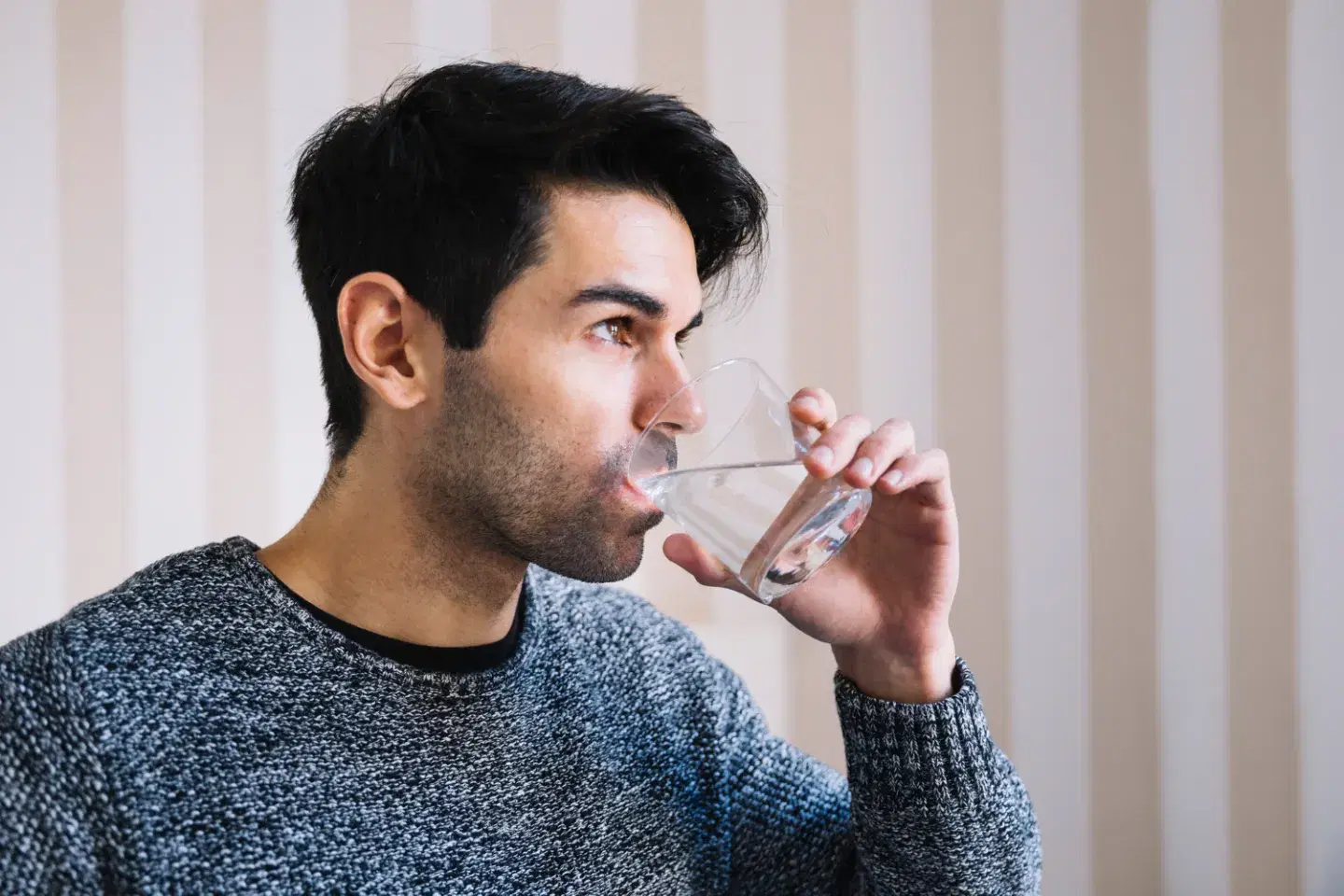
How Much Water Should You Drink Daily? A Gastroenterologist Explains
In my consultation, whether I’m treating someone for a routine check-up or a complex digestive disorder, one question inevitably surfaces: "Doctor, how much water to drink in a day to keep my stomach healthy?" It’s a question that seems simple but is shrouded in layers of conflicting internet advice. You’ve likely heard the "8 glasses a day" rule, the "3-liter challenge," or perhaps you’ve been told to drink until your urine looks like clear spring water.
As a gastroenterologist, I find this topic fascinating because hydration is the literal "lubricant" of our digestive machinery. In the Indian context, where temperatures can soar and our diets are rich in spices and fiber, the answer isn’t just about a number—it’s about biology, climate, and lifestyle. Understanding how much water should we drink in a day is the first step toward resolving many common gut issues, from simple bloating to chronic constipation. At specialized institutions like Bangalore Gastro Centre, we emphasize that gut health is holistic, and it begins with the most basic element: H2O.
In this comprehensive guide, we will bust the myths, look at the science of water for digestion, and provide practical, Indian-centric advice to help you master your hydration.
Daily Water Requirements – How Much Water Should You Drink in a Day?
The human body is roughly 60% to 70% water. Every cell, including the ones lining your intestines, requires it to function. But the "right" amount is a moving target.
Q1. What are the daily water requirements for an average adult?
There is no "one-size-fits-all" answer to how much water to drink in a day. If you ask a marathon runner in Delhi during June and a software engineer in an air-conditioned office in Bangalore in December, their requirements will be vastly different.
However, general health guidelines provide a baseline. For an average adult living in a moderate climate with a sedentary lifestyle:
- Men: Approximately 3 to 3.7 liters of total fluid per day.
- Women: Approximately 2.2 to 2.7 liters of total fluid per day.
It is crucial to note the term "total fluid." About 20% of our daily water intake comes from the foods we eat—especially in an Indian diet filled with daals, sambars, and water-rich fruits like melons. The old "8 glasses a day" rule (the 8x8 rule) is a helpful mnemonic but lacks rigorous scientific backing. It’s an oversimplification that doesn't account for body weight or metabolic rate. For many, 8 glasses might be too little; for some with certain kidney or heart conditions, it might actually be too much.
Q2. Is there a recommended daily water intake in litres for Indians?
The Indian climate is a major variable. In many parts of India, humidity and high temperatures lead to significant fluid loss through perspiration, even if you aren't "sweating" visibly. The Indian Council of Medical Research (ICMR) suggests that for an adult male doing moderate work, the requirement can hover around 3 to 4 liters.
Urban lifestyles also play a role. If you consume multiple cups of chai or coffee, remember that caffeine is a mild diuretic, meaning it can prompt your body to flush out water. Furthermore, our cultural habit of eating spicy food requires more water to neutralize the thermic effect of spices during digestion. If you're wondering how much water should we drink in a day in an Indian city, consider your exposure to the sun and your salt intake. High-sodium diets (common in pickles and processed snacks) demand higher water consumption to maintain osmotic balance.
Q3. Does age affect how much water you should drink daily?
Absolutely. As we age, our body's "thirst mechanism" becomes less sensitive.
- Children: Have higher water requirements relative to their body weight because their metabolic rates are faster.
- Adults (25-55): This is the peak period where lifestyle (stress, caffeine, exercise) dictates water needs.
- Elderly: This is a high-risk group. Older adults often don't feel thirsty even when they are clinically dehydrated. This can lead to "slow gut" symptoms, making hydration education vital for the seniors in our families.
Q4. How much water should you drink in a day if you exercise or work outdoors?
If you are physically active, your hydration strategy must be proactive, not reactive. For every hour of intense exercise, you may need an additional 500ml to 1 liter of water.
- The Sweat Test: If you finish a workout and your clothes are drenched, you haven't just lost water; you've lost electrolytes (sodium and potassium).
- Outdoor Workers: In the Indian summer, "plain water" might not be enough if you are sweating profusely. Incorporating a bit of salt and sugar (like a home-made Nimbu Pani) helps the water actually enter your cells rather than just passing through your system.
Water for Digestion – Why Hydration Is Critical for Gut Health
Think of your digestive system as a long, winding water slide. If the slide is dry, the "cargo" (your food) gets stuck, leading to friction and discomfort.
Q5. How does water help digestion and gut function?
Water for digestion starts the moment food enters your mouth.
- Saliva Formation: Saliva is mostly water and contains enzymes that begin breaking down carbohydrates. Without enough water, you get "dry mouth," which makes swallowing difficult and slows the initial phase of digestion.
- Gastric Juices: Your stomach produces acid to break down food. While the acid does the heavy lifting, water helps maintain the mucosal lining of the stomach, protecting it from being "eaten" by its own acid.
- Enzyme Activity: Many digestive enzymes require an aqueous (water-based) environment to catalyze the breakdown of proteins and fats.
- Nutrient Absorption: In the small intestine, water is the medium through which nutrients like vitamins and minerals pass through the intestinal wall into the bloodstream.
Q6. Can drinking enough water improve constipation and bloating?
This is perhaps the most common reason patients visit me. Constipation is often a "plumbing" issue. When you are dehydrated, your large intestine (colon) reabsorbs water from your food waste to keep your vital organs hydrated. This turns soft waste into hard, dry stools that are difficult to pass.
However, a gastroenterologist's secret is this: Water alone isn't a miracle cure for constipation. It works in synergy with fiber. If you eat a high-fiber diet (lots of sabzi, whole grains) but don't drink enough water, the fiber can actually "bulk up" and cause more bloating and blockage. You need the water to help the fiber move.
Q7. Is drinking water during meals good or bad for digestion?
There is a popular myth that drinking water during meals "dilutes" stomach acid. Scientifically, this is largely incorrect. Your stomach is highly efficient at regulating its pH level.
- The Verdict: Drinking a moderate amount of water during a meal can actually aid digestion by helping break down large chunks of food.
- The Caveat: Gulping down two liters of ice-cold water during a heavy meal might cause discomfort or premature fullness, but a glass of water is perfectly fine. At Bangalore Gastro Centre, we generally advise patients with GERD (Acidity) to avoid excessive water right after a meal to prevent the stomach from becoming too distended and pushing acid back up.
Q8. How much water should you drink in a day for a healthy digestive system?
For optimal gut motility, I recommend aiming for a steady intake throughout the day. Instead of drinking 2 liters in one go, sip water every hour. If you are prone to acidity or IBS, your requirement for how much water to drink in a day might be slightly higher to help flush out irritants.
Patients with conditions like Irritable Bowel Syndrome (IBS) often find that structured hydration reduces the frequency of cramping. When the gut is well-hydrated, the smooth muscles of the intestines can contract more rhythmically (a process called peristalsis), ensuring that food moves through the "pipeline" at the right speed.
Dehydration and Gut Health – What Happens When You Don’t Drink Enough Water
Dehydration isn't just about feeling thirsty; it’s a systemic crisis for your gastrointestinal tract.
Q9. What are the early signs of dehydration affecting gut health?
Your gut often sends signals before your brain feels "thirsty."
- Bad Breath: Reduced saliva allows bacteria to flourish.
- False Hunger: Many people mistake thirst for hunger. If you’ve just eaten but feel like snacking, try a glass of water first.
- The "Heavy" Stomach: A feeling of indigestion or "stone-like" weight in the abdomen after eating.
- Urine Color: If it’s the color of apple juice rather than pale straw, your gut is likely struggling for moisture.
Q10. Can dehydration worsen acidity, GERD, or indigestion?
Yes, significantly. When you are dehydrated, your stomach acid becomes more concentrated. Furthermore, water helps the lower esophageal sphincter (the valve between your throat and stomach) function correctly. Dehydration can lead to slower "gastric emptying"—meaning food sits in your stomach longer, producing more gas and increasing the risk of acid reflux.
In my practice, many patients complaining of "chronic acidity" find that simply increasing their daily water intake significantly reduces their symptoms. It’s the most cost-effective "medicine" available.
Q11. How does chronic dehydration affect the intestines over time?
Long-term neglect of hydration can lead to:
- Chronic Constipation: Leading to complications like hemorrhoids (piles) or anal fissures.
- Impact on Microbiome: Emerging research suggests that a hydrated environment is better for "good" gut bacteria.
- Reduced Nutrient Absorption: Over time, if the intestinal environment is consistently "dry," the efficiency of nutrient uptake can drop, leading to fatigue and minor deficiencies.
Special Situations: How Much Water Should You Drink in a Day If You Have Digestive Issues?
Hydration isn't a static rule when you're dealing with specific medical conditions.
- IBS (Irritable Bowel Syndrome): In IBS-C (constipation-predominant), water is your best friend. In IBS-D (diarrhea-predominant), you are losing water rapidly and must focus on rehydration with electrolytes.
- Post-Infection: After a bout of food poisoning or "Delhi Belly," your gut lining is inflamed. Small, frequent sips of water are better than large amounts, which might trigger vomiting.
- Chronic Conditions: For those managing Crohn's Disease: Symptoms, Treatment & Management Strategies, hydration is a critical part of the daily management plan to ensure the inflamed bowel isn't further stressed by hard stools.
Foods vs Water: Can You Meet Daily Water Requirements Through Food?
You don't have to get all your water from a bottle. In fact, some of the best hydration comes with a side of vitamins.
- The Power of Curd/Buttermilk: Chaas or Lassi is an Indian super-drink. It provides water, electrolytes, and probiotics all at once.
- Cucumber & Watermelon: These are nearly 95% water.
- Soups and Daals: A watery Moong Daal or a clear vegetable soup contributes significantly to your daily total.
However, be careful with "liquid calories." Sodas, sugary juices, and excessive milky tea don't count the same way as pure water. The sugar in these drinks can actually pull water out of your cells to help process the glucose!
Gut-Friendly Foods That Support Hydration and Digestion
While we talk about how much water to drink in a day, we must also talk about the "vehicles" for that water. A healthy small intestine is the engine of your body, and certain foods help it absorb water more effectively.
I highly recommend watching this educational video from our team: Eat These Fantastic Foods for a Healthy Small Intestine!. It explains how fiber-rich foods like oats, bananas, and papaya work in tandem with water to maintain the mucosal lining of your gut.
When you combine the right foods with the right amount of water, you create a "synergy." The water makes the fiber soft and gel-like, allowing it to sweep the "walls" of your intestines clean without causing any micro-tears or irritation.
Practical Gastroenterologist Tips: How to Drink Water the Right Way
- The Morning Flush: Drink a glass of room-temperature water as soon as you wake up. This "wakes up" your colon (the gastrocolic reflex) and helps with morning bowel movements.
- Temperature Matters: While ice water feels great in the Chennai or Mumbai heat, very cold water can sometimes cause the stomach to contract too quickly. Room temperature or slightly warm water is often gentler on a sensitive gut.
- Listen to your Body: Don't force-feed yourself water if you feel bloated. Thirst is a late signal, but "sloshing" in the stomach is a sign you’ve had enough for the moment.
- The Urine Check: It’s the simplest diagnostic tool you have. Aim for a pale yellow color.
Frequently Asked Questions
How much water to drink in a day in summer?
In the Indian summer, increase your intake by at least 500ml to 1 liter. If you are outdoors, incorporate electrolytes once a day to replace salts lost through sweat.
Can drinking too much water harm digestion?
Yes, it’s called hyponatremia (water intoxication). Drinking excessive amounts (like 6-7 liters) in a very short period can dilute your blood sodium to dangerous levels and cause digestive distress and nausea.
Is warm water better than cold water for gut health?
Warm water can help relax the digestive muscles and is often recommended for those with chronic constipation or "slow" digestion.
How much water should we drink in a day if we drink a lot of tea or coffee?
For every cup of coffee or strong tea, try to add an extra glass of water to your daily tally to compensate for the diuretic effect.
Final Takeaway: How Much Water Should You Drink Daily for Long-Term Gut Health?
At the end of the day, your body is an incredibly sophisticated machine that knows what it needs. While the guideline for how much water to drink in a day is roughly 2.5 to 3.5 liters for most Indian adults, your personal "sweet spot" will depend on your activity, diet, and any underlying digestive issues.
Hydration is not just about quenching thirst; it’s about ensuring that every step of your digestive journey—from the first bite to the final elimination—happens smoothly. If you find that despite drinking plenty of water, you still suffer from chronic bloating, acidity, or irregular bowel movements, it may be time for a deeper look.
At Bangalore Gastro Centre, we help patients navigate these nuances every day. Don't let a simple hydration issue turn into a chronic gut problem. Start by carrying a reusable bottle, sipping mindfully, and treating your gut with the "liquid gold" it deserves.