
Gallstone Pain Relief: Symptoms & Treatment Options
Imagine this scenario: It is late at night, perhaps after attending a wedding reception or enjoying a rich, heavy Sunday lunch typical of many Indian households—Biryani, Butter Chicken, or heavy sweets. You suddenly feel a sharp, gripping pain in your upper abdomen. You might dismiss it initially as "gas" or acidity, a common self-diagnosis in India. But as the minutes turn into hours, the pain doesn't fade; it intensifies, radiating to your back or shoulder. This is the classic presentation of a gallbladder issue.
Gallstones, medically known as cholelithiasis, are far more common than most people realize. In India, the prevalence of gallstones is rising due to changing dietary habits, sedentary lifestyles, and metabolic factors. While many people live with "silent" gallstones that never cause issues, those who experience an attack know that the pain can be debilitating.
Understanding the nature of gallbladder attack pain, recognizing the specific symptoms, and knowing your treatment options are crucial steps in managing this condition. Whether you are looking for immediate gallstone pain relief or long-term management strategies, knowledge is your first line of defense.
This comprehensive guide is structured to answer the most pressing questions patients ask. We will move beyond general advice and dive deep into the specifics of biliary colic, practical ways to manage pain at home, and when it is time to seek help from specialists at institutions like Bangalore Gastro Centre.
What Are Gallstones?
To understand how to get relief, we must first understand the enemy.
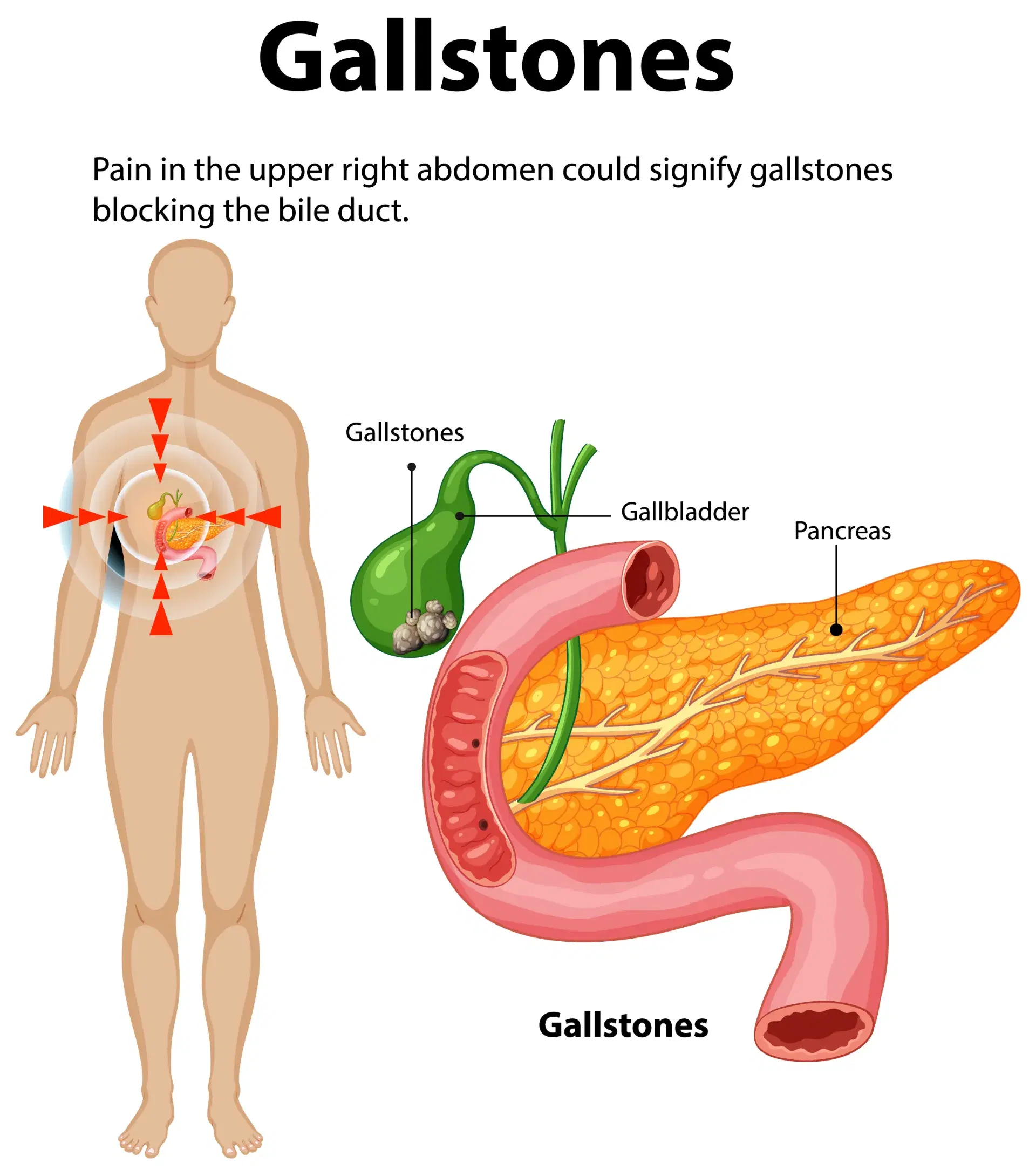
Cholelithiasis is the medical term for the formation of stones (calculi) within the gallbladder. The gallbladder is a small, pear-shaped organ located just beneath the liver on the right side of your abdomen. Its primary job is to store and concentrate bile, a digestive fluid produced by the liver that helps break down fats.
Gallstones occur when the chemical balance of bile is disrupted. In the Indian context, we typically see two main types of stones:
- Cholesterol Stones: These are the most common, often yellow-green in color. They form when bile contains too much cholesterol and not enough bile salts to dissolve it.
- Pigment Stones: These are smaller and darker (black or brown). They are composed of bilirubin and are often associated with liver diseases or blood disorders like sickle cell anemia.
Who is at risk? The "4 Fs" rule is often taught in medical schools—Fat, Forty, Female, and Fertile—indicating that women over 40 who are overweight and have had children are historically at higher risk. However, in modern practice, we see men and younger individuals (25–35 years old) increasingly affected due to rapid weight loss diets, high-calorie intake, and genetic predisposition.
Mechanism Behind Biliary Colic
Why do these stones cause such immense pain? The gallbladder is essentially a pouch. When you eat fatty food, the gallbladder contracts to squirt bile into the small intestine through a tube called the cystic duct.
If a stone is pushed out of the gallbladder and gets stuck in the neck of the gallbladder or the cystic duct, it acts like a cork in a bottle. The gallbladder continues to contract against this blockage, causing high pressure and severe muscle spasms. This specific type of pain is called biliary colic. Understanding this mechanism is vital because it explains why pain relief strategies focus on relaxing these spasms.
What Does Gallstone Pain Feel Like? (Patient Q&A #1)
One of the most frequent questions gastroenterologists encounter is regarding the specific nature of the pain. Distinguishing it from simple indigestion is vital for seeking the right treatment.
Q: What does gallstone pain feel like?
A. The Classic Description of Gallbladder Attack Pain Gallbladder attack pain is distinct. Unlike the burning sensation of heartburn or the general discomfort of bloating, gallstone pain is usually sudden and rapidly intensifying.
- Location: The pain is primarily located in the Right Upper Quadrant (RUQ) of the abdomen, just below the rib cage. However, it can also be felt in the center of the upper abdomen (epigastric region), confusing patients into thinking it is a gastric ulcer.
- Radiation: A hallmark sign is "referred pain." Because of the nerve pathways shared between the abdomen and the shoulder, many patients feel a sharp pain in their right shoulder blade or the space between their shoulder blades.
- Character: Patients often describe it as a "gnawing," "gripping," or "crushing" sensation rather than a burning one. It is not typically relieved by passing wind or using the toilet.
B. Differentiating from Other Conditions In India, "gas" is a catch-all term. However, gallstone pain relief strategies will differ significantly from acidity treatments.
- Kidney Stones: Kidney pain usually starts in the back (flank) and radiates down towards the groin. Gallstone pain stays high in the abdomen or moves to the shoulder.
- Acidity/GERD: Acid reflux causes a burning sensation in the chest (heartburn). Gallstone pain is a pressure-like ache.
- Crohn’s Disease: Sometimes abdominal pain can be complex. Chronic pain might mimic other inflammatory conditions. For a deeper understanding of chronic digestive inflammation, you can read about Crohn's Disease: Symptoms, Treatment & Management Strategies.
C. Associated Symptoms Pain rarely comes alone. During an attack, the autonomic nervous system is triggered, leading to:
- Nausea and Vomiting: This is very common. Vomiting often provides no relief from the pain.
- Sweating: Cold, clammy sweat during a pain episode is a sign of the body being under intense stress.
- Restlessness: Unlike peritonitis (where patients lie strictly still), patients with biliary colic often toss and turn, unable to find a comfortable position.
How Long Does Gallstone Pain Last?
Uncertainty about when the pain will end causes significant anxiety. Knowing the typical timeline can help you decide whether to wait it out or rush to the Emergency Room.
Q: How long does gallstone pain last?
A. Typical Duration of Biliary Colic A typical episode of biliary colic can last anywhere from 15 minutes to several hours.
- The Peak: The pain usually starts shortly after a meal (especially a fatty one) and rapidly increases in intensity over the first 30 minutes.
- The Plateau: It then tends to sustain at a high level of intensity for 1 to 5 hours.
- The Subsidence: Eventually, the stone may fall back into the gallbladder or pass through, relieving the blockage. The pain then gradually subsides, leaving a dull ache or soreness in the upper abdomen for about 24 hours.
B. Factors Affecting Duration Why does it vary?
- Stone Movement: If the stone is small and mobile, it might block the duct temporarily and then move, resulting in shorter pain.
- Degree of Blockage: A partial blockage might cause intermittent pain, whereas a complete obstruction causes continuous, severe pain.
- Dietary Triggers: The quantity of fat consumed can determine how vigorously the gallbladder contracts. A heavier meal often equals a longer, more painful attack.
C. When “Long-Lasting Pain” Suggests Complications If your gallbladder attack pain lasts for more than 5 or 6 hours, it is a red flag. This suggests that the stone is not moving and has caused acute inflammation (Acute Cholecystitis) or infection. At this stage, simple gallstone pain relief at home will not work. This is a medical emergency requiring hospitalization, intravenous antibiotics, and likely surgery. Prolonged pain accompanied by fever is not just "colic"; it is an infection.
Can Gallstones Pass Naturally?
This is perhaps the most searched question on the internet regarding this topic. Many patients wish to avoid medical intervention and hope nature will take its course.
Q: Can gallstones pass naturally?
A. The Anatomy of Spontaneous Passage The short answer is: Yes, but rarely safely, and usually only if they are very small. The cystic duct (the exit door of the gallbladder) is very narrow, typically only 2mm to 4mm wide.
- Small Stones (<3mm): These "gravel" or "sludge" stones can sometimes pass through the cystic duct, travel down the common bile duct, and empty into the intestine to be passed in stool. You might not even notice this happening, or it might cause minor discomfort.
- Medium/Large Stones: Stones larger than the duct simply cannot fit. Trying to force them out (through certain "flush" remedies) can be dangerous.
B. Natural Processes vs. Medical Reality There is a prevailing myth that you can "dissolve" stones naturally. While certain medications (Ursodeoxycholic acid) can dissolve specific cholesterol stones, this process takes months or years and is often unsuccessful. Once a stone has formed and calcified, it is structurally hard. Unlike kidney stones, which have a direct exit route via urine, gallstones must navigate a complex junction of ducts that connect the liver and pancreas.
C. Risks of Relying on Natural Passage Hoping for a stone to pass naturally carries significant risks:
- Pancreatitis: This is a severe complication. If a gallstone escapes the gallbladder but gets stuck at the Ampulla of Vater (where the bile duct meets the pancreatic duct), it blocks pancreatic enzymes. This causes the pancreas to digest itself, leading to life-threatening inflammation.
- Cholangitis: If a stone blocks the common bile duct, bile backs up into the liver, causing a severe bacterial infection characterized by fever, jaundice, and shock.
Therefore, while cholelithiasis can sometimes be asymptomatic, relying on stones to "pass naturally" once painful symptoms begin is not a recommended medical strategy.
Symptoms of Gallstones & Gallbladder Attack Pain
While we have discussed the pain, cholelithiasis presents a constellation of symptoms that can help you identify the issue before it becomes an emergency.
A. Common Symptoms
Beyond the acute pain described earlier, look out for:
- Indigestion and Bloating: Often worsened by fatty foods (fried snacks, cheese, ghee).
- Intolerance to Fatty Foods: Feeling excessively full or nauseous immediately after eating rich foods.
- Belching and Gas: While common in general, if this accompanies RUQ pain, it points to the gallbladder.
B. Red-Flag Symptoms
These symptoms indicate that a simple stone has evolved into a complication requiring immediate specialized care:
- High-Grade Fever and Chills: Indicates infection (cholecystitis or cholangitis).
- Jaundice: A yellow tint to the skin or the whites of the eyes. This means a stone is blocking the main bile duct, preventing bile from draining.
- Tea-Colored Urine & Pale Stools: Dark urine results from excess bilirubin in the blood, while pale, clay-colored stools indicate bile is not reaching the intestine.
Immediate Gallstone Pain Relief at Home
If you are in the midst of an attack and waiting to see a doctor, you are likely desperate to know how to ease gallstone pain. While home remedies cannot cure the condition, they can help manage the acute symptoms temporarily.
A. How to Ease Gallstone Pain (Light Self-Care Options)
- Apply Heat: A heating pad or a hot water bottle applied to the upper right abdomen can help relax the muscles and reduce the intensity of the spasms. Apply it for 15-20 minutes at intervals.
- Stop Eating Immediately: During an attack, stop all food intake. Drinking water is okay, but solid food will stimulate the gallbladder to contract, worsening the pain.
- Positional Relief: Lying flat on your back might worsen the pain. Try lying on your left side; this can sometimes reduce pressure on the gallbladder. Alternatively, pacing gently or sitting upright may help.
- Loose Clothing: Tight waistbands restrict the abdomen. Loosen your clothing to allow your abdomen to expand without restriction.
B. Natural and Temporary Approaches
While natural gallstone remedies are widely discussed, view them as supportive measures, not cures.
- Peppermint Tea: Peppermint contains menthol, which has a natural antispasmodic effect on digestive muscles. Sipping warm peppermint tea may help soothe the gallbladder spasms.
- Apple Cider Vinegar (ACV): Some people find relief mixing two teaspoons of ACV in warm apple juice. The acidity is thought to aid digestion, though scientific evidence for immediate pain relief is anecdotal.
- Magnesium: Magnesium helps relax muscles. A warm bath with Epsom salts (magnesium sulfate) might help relax the body and the abdominal muscles.
C. What NOT To Do
- Avoid Strong Painkillers on an Empty Stomach: Taking strong NSAIDs (like Ibuprofen) without medical advice can irritate the stomach lining, complicating the picture with gastritis.
- Do Not Attempt a "Gallbladder Flush": During an acute attack, drinking large amounts of oil and juice (a common internet remedy) can be dangerous. It forces the gallbladder to contract violently, potentially lodging a stone firmly in the duct and causing pancreatitis.
Medical Treatment Options for Gallstone Pain Relief
When home remedies fail, or attacks become recurrent, medical intervention is necessary. Hospitals like Bangalore Gastro Centre utilize a stepped approach to diagnosis and treatment.
A. Diagnostic Steps
- Ultrasound: This is the gold standard. It is non-invasive, painless, and highly accurate at visualizing stones.
- Liver Function Tests (LFTs): A blood test to check if the liver is stressed or if bile ducts are blocked.
- MRCP (Magnetic Resonance Cholangiopancreatography): A specialized MRI scan used if doctors suspect a stone has moved into the bile ducts.
B. Evidence-Based Treatment for Gallstone Pain Relief
- Medication:
- Antispasmodics: Drugs like Dicyclomine or Drotaverine help relax the gallbladder muscles, stopping the spasm.
- NSAIDs: Injectable NSAIDs (administered in a hospital) are very effective for biliary colic pain.
- Antibiotics: Prescribed only if there are signs of infection.
- Definitive Treatment: Cholecystectomy For symptomatic gallstones, the standard of care is the removal of the gallbladder.
- Laparoscopic Cholecystectomy: This is "keyhole surgery." It involves 3-4 tiny incisions. Recovery is rapid, with most patients going home the same day or the next. It removes the source of the stones permanently.
- Open Surgery: Rarely done today, reserved for very complex cases.
- ERCP (Endoscopic Retrograde Cholangiopancreatography) If a stone is stuck in the bile duct (not the gallbladder), an ERCP is performed. This is an advanced endoscopic procedure where a scope is passed down the throat to remove the stone from the duct without external cuts.
Natural Gallstone Remedies: What Actually Helps?
Patients often ask if they can manage this condition purely through lifestyle. While you cannot "melt" existing calcified stones, you can significantly reduce the frequency of attacks and prevent new stones.
A. Lifestyle-Based Prevention & Relief
- Healthy Weight Loss: Rapid weight loss (crash dieting) actually causes gallstones. Aim for slow, steady weight loss (0.5 to 1 kg per week).
- Hydration: Water is essential for bile production. Dehydration allows bile to concentrate and crystallize.
B. Evidence vs. Popular Myths
- The "Olive Oil Flush": As mentioned, this is risky. The "stones" people claim to pass after these flushes are often just saponified oil clumps (soap stones) created by the digestive system, not actual gallstones.
- Turmeric: Curcumin (in turmeric) has anti-inflammatory properties and stimulates bile flow. While good for prevention, use caution; stimulating bile flow during a blockage can increase pain.
C. Long-Term Dietary Patterns
Focusing on the health of your small intestine is crucial for overall digestive balance. A healthy gut ensures better absorption of fats and bile salts, reducing stone risk.
To understand specific dietary additions that support intestinal health, consider watching this informative guide:
Eat These Fantastic Foods for a Healthy Small Intestine! - Bangalore Gastro Centre
Key takeaways often highlighted in such educational content include the importance of soluble fiber and probiotics, which bind to bile and aid in its excretion.
Preventing Future Gallbladder Attacks
Once you have had one attack of gallbladder attack pain, the likelihood of another is high unless changes are made.
A. Foods That Trigger Pain
You must identify and eliminate your triggers. In an Indian context, these often include:
- Full-fat dairy (Buffalo milk, malai, paneer used in heavy gravies).
- Red meats (Mutton curries).
- Deep-fried snacks (Samosas, pakoras, vadas).
- Refined carbohydrates (Maida-based parathas or naans) which contribute to metabolic syndrome.
B. Foods That Support Relief
Adopt a "gallbladder-friendly" diet:
- High Fiber: Whole grains, oats, brown rice, and plenty of vegetables. Fiber reduces the saturation of cholesterol in bile.
- Healthy Fats: Replace saturated fats with unsaturated ones like olive oil or flaxseed oil, but use them sparingly.
- Lean Proteins: Chicken, fish, and lentils (dals) prepared with minimal oil.
C. Lifestyle Adjustments
- Regular Meal Timing: Skipping meals creates a "stasis" in the gallbladder. When you don't eat, the gallbladder doesn't empty, giving stones time to form. Eat small, frequent meals.
- Coffee: Interestingly, moderate coffee consumption has been linked to a lower risk of gallstones in some studies, as it stimulates gallbladder emptying (though avoid this if you have acidity issues).
When to See a Gastroenterologist
Self-management has its limits. If you are regularly searching for gallstone pain relief, it is time for a professional evaluation.
A. Warning Signs
Do not ignore:
- Pain that occurs more than once a month.
- Unexplained weight loss.
- Persistent digestive distress even after eating healthy meals.
B. The Role of Specialized Care
Visiting a specialized center ensures you get an accurate diagnosis. Sometimes, what feels like a gallstone is actually a stomach ulcer, IBS, or a liver issue. Specialized centers like Bangalore Gastro Centre utilize advanced imaging and multidisciplinary teams to ensure that if surgery is recommended, it is absolutely necessary, and if medical management is possible, it is done safely.
Untreated cholelithiasis can lead to gallbladder cancer (though rare) or chronic inflammation that affects nearby organs. Early consultation prevents these complications.
Way Forward
Gallstones are a common ailment, but the gallstone pain relief you seek is available through a combination of smart lifestyle choices and timely medical intervention. Understanding the difference between a simple biliary colic episode and a complicated infection is vital for your safety.
Remember, while heat packs and diet changes can help you navigate a mild attack, they are temporary measures. Do not let fear of surgery or reliance on unproven natural gallstone remedies delay necessary treatment. Your digestive health is the foundation of your overall well-being.
If you are experiencing symptoms or have questions about your digestive health, we encourage you to educate yourself further. For more insights into maintaining a healthy digestive system, consider following the Bangalore Gastro Centre YouTube channel.