


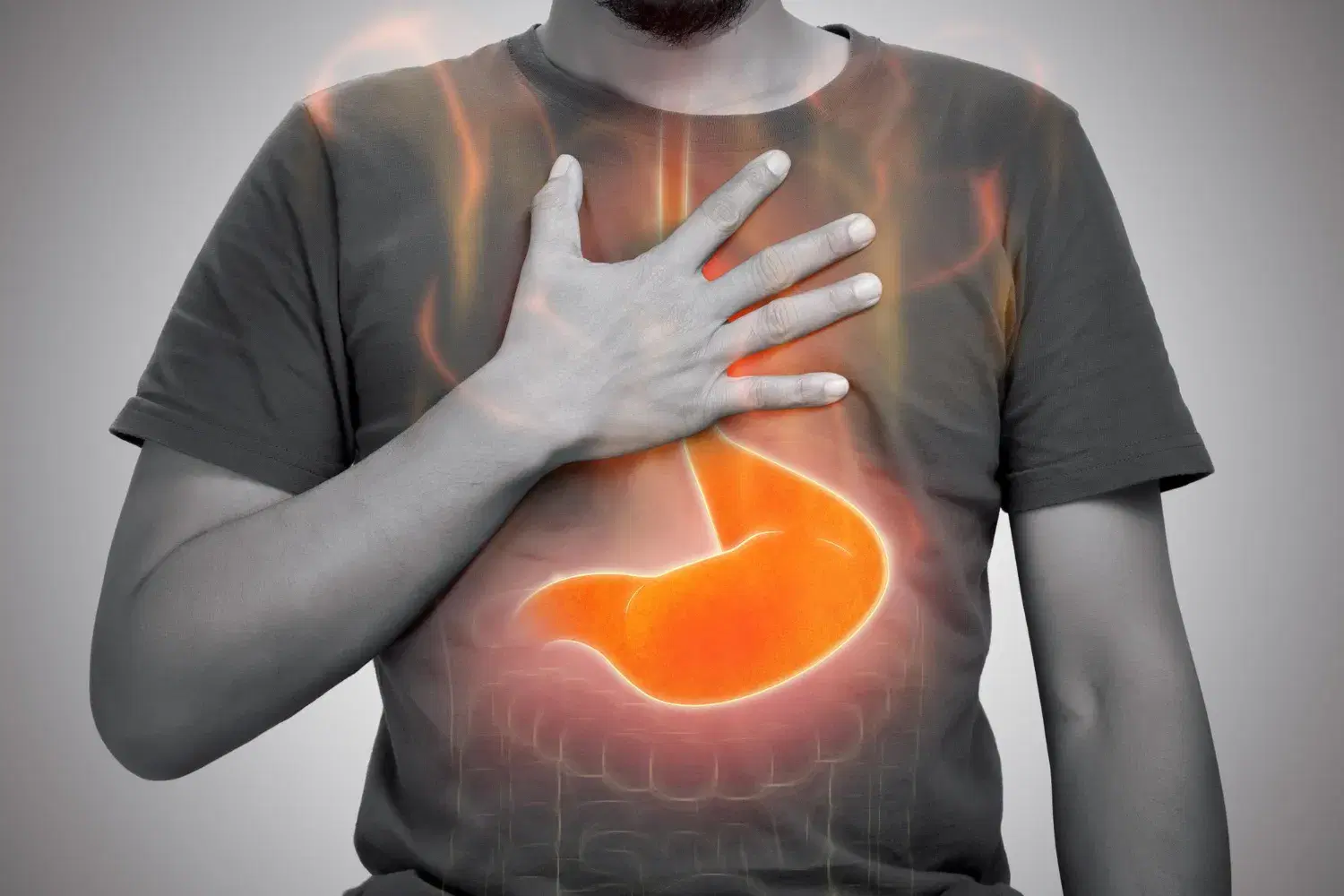
Why Does Acidity Happen? Understanding Acid Reflux Beyond Gas Trouble
Burning in the chest, sour taste in the mouth, frequent burping or a heavy feeling after meals are often brushed off as “just gas.” But acidity is not always a simple digestive inconvenience. In many cases, it is the body’s way of warning that something in your daily habits or digestive system is not functioning as it should.
Acidity and acid reflux affect millions of people worldwide and are becoming increasingly common in urban Indian lifestyles. Long work hours, irregular meals, late-night eating, stress, and food choices all play a role. Yet, many people continue to self-treat without understanding why acidity happens in the first place.
What Exactly Is Acidity or Acid Reflux
Acidity occurs when stomach acid either increases beyond normal levels or flows back into the food pipe (oesophagus). Stomach acid is essential for digestion, but it is meant to stay inside the stomach. When it repeatedly comes in contact with the food pipe, it causes irritation and symptoms such as burning, regurgitation, and discomfort.
This condition is medically known as gastroesophageal reflux disease (GERD). If you want a deeper medical explanation, you can also read our detailed guide on GERD (Acid Reflux): Symptoms, Diagnosis & Treatment Options https://www.bangaloregastrocentre.com/blog/gerd-acid-reflux-symptoms-diagnosis-and-treatment-options
The Valve That Plays a Key Role in Acidity
Between the food pipe and the stomach lies a muscular valve called the lower esophageal sphincter. Its job is to open to allow food into the stomach and then close tightly. When this valve becomes weak or relaxes too often, stomach acid can travel upward.
Pressure on this valve from overeating, lying down immediately after meals, or weight gain around the abdomen can significantly increase acid reflux episodes.
Common Symptoms Most People Associate With Acidity
Many people recognise acidity by these classic signs
• Burning sensation in the chest or upper abdomen • Sour or bitter taste in the mouth • Frequent burping • Regurgitation of food or liquid
These symptoms often worsen after heavy meals, spicy food, or lying down.
When Acidity Shows Up in Unexpected Ways
Acidity does not always announce itself with heartburn. In some people, it causes silent reflux, especially at night.
Chronic Cough and Sleep Disturbance
Acid can travel up to the airways during sleep, triggering repeated coughing or throat irritation. This is why some people with a persistent cough are eventually referred from lung specialists to gastroenterologists.
Bad Breath, Voice Changes, and Dental Damage
Long-standing reflux can cause bad breath (halitosis), hoarseness of voice, or even damage to tooth enamel. Since this often happens at night, many people remain unaware of the root cause.
Chest Pain That Feels Like a Heart Issue
Acid reflux can cause chest tightness or pain that closely mimics heart-related discomfort. This leads many people to panic, even though the source is digestive.
Why Does Acidity Happen Daily Triggers Seen in Practice
Certain everyday habits consistently trigger acidity.
Irregular Eating Patterns
Skipping meals, eating at odd hours, or having late-night dinners puts stress on the digestive system. In cities like Bangalore, eating after 10 pm and relying on takeaway food is a common trigger.
Foods That Sit Longer in the Stomach
Fried, greasy, and spicy foods increase acid production and slow digestion. The longer food stays in the stomach, the higher the chances of acid flowing back into the food pipe.
Coffee, Tea, and Carbonated Drinks
Drinking tea or coffee on an empty stomach irritates the stomach lining. Excess caffeine also relaxes the food pipe valve. Carbonated drinks release carbon dioxide in the stomach, causing bloating and pressure that promotes reflux. According to Mayo Clinic, carbonated beverages can worsen reflux symptoms in susceptible individuals.
Lifestyle Factors That Increase Acid Reflux Risk
Stress, anxiety, and emotional eating often go hand in hand with acidity. People tend to overeat or choose high-calorie comfort foods, increasing reflux risk.
Weight gain, especially around the abdomen, puts constant pressure on the food pipe valve. Research published by the National Institutes of Health shows that abdominal obesity significantly increases the risk of GERD. Smoking weakens the valve, while alcohol directly irritates the stomach and food pipe lining. Wearing tight clothing after heavy meals can also worsen symptoms.
How to Control Acidity Without Relying on Daily Medicines
Not everyone with acidity needs lifelong medication. Addressing the underlying cause often brings lasting relief.
Eat on Time and Eat Mindfully
Never skip breakfast and try to maintain regular meal timings. Finish dinner at least two to three hours before bedtime. Eat slowly, chew well, and avoid rushing through meals.
Improve Posture and Sleep Habits
Stay upright after meals and avoid lying down immediately. If an afternoon nap is needed, a reclined position is better than lying flat.
Make Sustainable Lifestyle Changes
Reducing weight, quitting smoking, and limiting alcohol intake can significantly improve acidity and reflux symptoms. Even modest weight loss has been shown to reduce reflux episodes.
When Should Acidity Not Be Ignored
If acidity continues despite lifestyle changes, occurs frequently at night, or presents with symptoms like chronic cough, chest pain, voice change, or persistent nausea, medical evaluation is important. Timely assessment helps prevent long-term damage to the food pipe.
The Takeaway
Acidity is not just about stomach acid; it is about how your body responds to daily habits. Understanding why acidity happens allows you to correct the root cause rather than masking symptoms.
To gain deeper insight into acidity, reflux, and digestive health explained in simple, science-based language, watch the full video and subscribe to Bangalore Gastro Centre’s YouTube channel for regular updates on digestive health.