


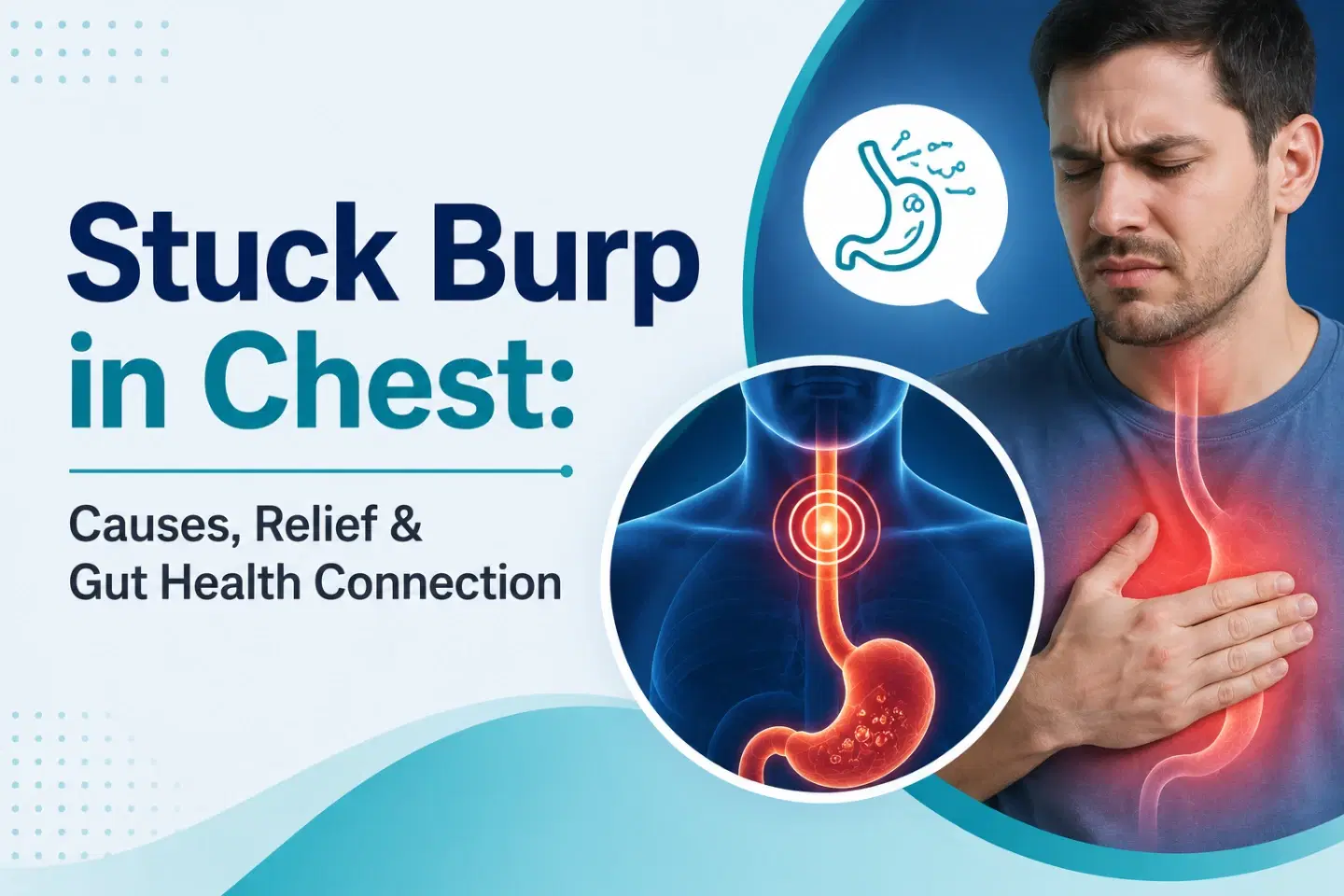
Stuck Burp in Chest: Causes, Gut Health Connections, & How to Get Relief
You finish a hearty dinner. Maybe it was a rich paneer butter masala, or perhaps just a quick bowl of dal chawal eaten in a rush between work calls. You sit back, expecting the normal progression of digestion. Suddenly, an uncomfortable, tight pressure builds up right behind your breastbone. You wait for the physical release. You try to force it. Yet, nothing happens.
I need to burp but it won't come out. This single thought echoes in your mind as the pressure mounts. It is an incredibly frustrating, distracting, and physically distressing sensation. A burp stuck in chest can mimic serious cardiac issues, induce severe anxiety, and completely ruin a peaceful evening. For many Indian adults balancing high-stress corporate jobs with erratic eating schedules, this gastrointestinal nuisance is becoming a daily battle.
But what exactly causes this internal traffic jam? Why does it feel like I have a burp stuck in my chest? To find lasting relief, we must look beyond temporary antacids. We are going to explore the physiological mechanics of trapped gas, uncover the deeper implications of gut microbiome health, explain the fascinating link to autoimmune diseases, and provide actionable, scientifically backed ways to get immediate relief.
The Anatomy of Eructation: Why Gas Gets Trapped
To understand the problem, we must first look at how the body normally operates. A burp—medically known as eructation—is simply your digestive system’s mechanism for expelling excess air from the upper tract.
You swallow air constantly. Every time you eat a meal, sip water, or speak animatedly, small amounts of air travel down your esophagus and collect in your stomach. When the stomach expands beyond its comfortable capacity, stretch receptors in the stomach wall send a distinct neurological signal via the vagus nerve. This signal commands the lower esophageal sphincter (LES) to relax.
The LES is a vital ring of muscle acting as a one-way valve between your esophagus and your stomach. When it relaxes appropriately, the accumulated gas travels back up the esophagus and exits through the mouth. The pressure is relieved. Digestion continues.
However, the human body is a highly sensitive machine, and this mechanism sometimes malfunctions. The LES might fail to relax properly. Alternatively, the gas might shoot up into the esophagus but get blocked by the upper esophageal sphincter. This creates the distinct, painful feeling like a burp is stuck in chest. The trapped air stretches the highly sensitive, nerve-rich walls of the esophagus. This causes localized pain that can be sharp, dull, or even radiate toward the back.
Patients often report feeling a tight, constricting band around their ribs. They pace the floor, drink water, and think in frustration, I need to burp but it won't come out. The sheer physical proximity of the esophagus to the heart means that a burp getting stuck in chest can easily be mistaken for angina or a heart attack. This triggers panic. Panic causes you to take short, shallow breaths and swallow even more air. The cycle worsens.
Common Triggers: What Causes a Burp Stuck in Chest?
Several structural, dietary, and physiological factors can cause air to become locked in the upper digestive tract. Recognizing these triggers is the first step toward effective management.
1. Aerophagia (Swallowing Too Much Air)
Fast eating is the leading culprit for excessive gas. In our modern, fast-paced Indian work culture, gulping down lunch in ten minutes while staring at a laptop screen is incredibly common. Drinking carbonated beverages, chewing gum, using straws, or eating while stressed introduces massive volumes of air into the stomach. The system simply gets overwhelmed.
2. Gastroesophageal Reflux Disease (GERD)
GERD is exceptionally prevalent in India. Our traditional diets often feature high spice and oil content, which, combined with the urban habit of late-night dinners, creates a perfect storm for acid reflux. In GERD, harsh stomach acid washes backward into the esophagus. This acid irritates the delicate mucosal lining, causing the esophageal muscles to spasm. A spasming esophagus loses its coordinated movement and can easily trap ascending air, directly leading to the sensation of a burp getting stuck in chest.
3. Hiatal Hernia
A hiatal hernia is a structural issue. It occurs when the upper portion of your stomach pushes upward through the hiatus—a small opening in your diaphragm—and enters your chest cavity. This anatomical shift severely compromises the function of the LES. Gas enters the esophagus but cannot efficiently travel upward or downward. The result is a chronic, persistent burp trapped in chest that does not respond to standard antacid medications.
4. Gastritis and Peptic Ulcers
Inflammation of the stomach lining (gastritis) or open sores (ulcers) alter the normal digestive process. Often caused by prolonged use of pain killers (NSAIDs) or an infection by Helicobacter pylori bacteria, these conditions cause the stomach to produce excess acid and gas. When the mucosal lining is inflamed, gastric emptying slows down. Food sits in the stomach longer, fermenting and producing excessive belching and bloating.
When you constantly ask yourself, why does it feel like I have a burp stuck in my chest, it is essential to look at these underlying functional and structural issues. Masking the symptoms with over-the-counter fizzing powders will not fix a damaged esophageal sphincter or an inflamed stomach lining.
Dietary Impacts: Feeding the Good, Starving the Bad
Your diet is the most powerful daily tool you possess to modulate your gut microbiome, reduce systemic inflammation, and prevent agonizing gas buildup. The traditional Indian diet is wonderfully rich in diverse fibers, vegetables, and spices. However, certain combinations and modern dietary shifts can trigger severe distress.
Foods high in specific fermentable carbohydrates—known as FODMAPs—pull large amounts of water into the digestive tract. More importantly, they are rapidly fermented by gut bacteria. This fermentation process produces vast amounts of hydrogen and methane gas. Common offenders in the Indian kitchen include raw onions, excessive garlic, heavy legumes (like rajma and chole), cauliflower, and certain dairy products.
If your gut flora is already imbalanced, digesting these heavily fermentable foods leads to the rapid ballooning of the stomach and small intestine. The lower esophageal sphincter struggles to manage the massive upward pressure, and soon, you are left holding your chest, dealing with a burp getting stuck in chest.
The type of staple grains you consume daily also plays a massive role in digestive ease and microbiome health. Many people debate the merits of our most common carbohydrates, often wondering which is less likely to cause bloating and trapped gas. To understand this complex topic better, I highly recommend watching this detailed breakdown by medical experts: Rice Vs Chapati | Which Is Best for Digestion? The Truth Explained | Bangalore Gastro Centre. Choosing the right, easily digestible carbohydrates for your specific body type can significantly reduce the daily fermentation load in your gut.
To support an anti-inflammatory gut environment and reduce instances of trapped air, you must actively incorporate prebiotic and probiotic foods. Traditional homemade curd (dahi) and buttermilk (chaas) help replenish beneficial bacteria strains. Meanwhile, integrating digestive spices like fresh ginger, cumin (jeera), and fennel seeds (saunf) into your meals stimulates the production of vital digestive enzymes. These spices promote healthy gastric motility, ensuring food moves smoothly through the tract, preventing the stagnation that leads to excessive belching and chest pressure.
How to Get Relief: Immediate Strategies
When you are actively suffering, pacing the room and thinking, "I need to burp but it won't come out," you need fast, physical intervention. The gas is physically trapped, and you must use mechanical and physiological tricks to dislodge it. Here are proven strategies to help release the pressure immediately.
1. Change Your Posture and Walk
Lying down flat is the worst thing you can do when gas is trapped, as it removes the helpful force of gravity. Stand up straight. Gentle walking is essential because it stimulates peristalsis—the natural, wave-like muscle contractions of your digestive tract. Try pacing the room steadily for ten to fifteen minutes. Additionally, stretching your arms high above your head can physically expand the rib cage. This reduces internal pressure on the diaphragm and the stomach, often instantly relieving the feeling like a burp is stuck in chest.
2. The Warm Water Technique
Drink a glass of comfortably hot water slowly. The warmth acts as a mild muscle relaxant for the spasming esophageal muscles. Alternatively, try sipping hot peppermint tea or freshly boiled ginger water. Peppermint contains powerful antispasmodic compounds that can relax the tight LES just enough to let the trapped gas finally escape upward.
3. Controlled Swallowing
It sounds counterintuitive, but sometimes swallowing a small amount of air deliberately can trigger a much larger burp to release. Drink a small glass of plain carbonated soda water quickly, or swallow hard a few times in succession. The sudden increase in gastric pressure can force the stubborn esophageal sphincter to open, clearing the burp trapped in chest.
4. Pawanmuktasana (Wind-Relieving Pose)
This traditional yoga posture is specifically anatomically designed for gas relief. Lie flat on your back on a mat. Bring both knees tightly up to your chest, wrap your arms around your shins, and gently hug your legs inward. Lift your head slightly to try and touch your nose to your knees. Gently rock back and forth. This physically compresses the ascending and descending colon, pushing trapped gas through the digestive tract and alleviating excessive belching and abdominal pain.
5. Diaphragmatic Breathing
Deep, controlled belly breathing engages the diaphragm muscle, which massages the stomach and intestines situated just below it. Place one hand on your stomach. Breathe in deeply through your nose so that your stomach pushes your hand outward (your chest should barely move). Exhale slowly through pursed lips. This activates the parasympathetic nervous system (the "rest and digest" mode), calming gut spasms and encouraging the release of trapped air.
When Is It More Than Just Gas? Identifying Red Flags
Because the esophagus, heart, and lungs share overlapping nerve pathways in the thoracic cavity, it is incredibly easy to confuse severe gastrointestinal pain with cardiac or respiratory distress. If you frequently ask yourself, why does it feel like I have a burp stuck in my chest, you must rigorously evaluate your other accompanying symptoms.
A routine burp stuck in chest is usually accompanied by a sour taste in the mouth (reflux), abdominal bloating, or a general feeling of fullness. The pain may fluctuate based on your posture or after drinking water.
Cardiac Warning Signs: However, if the chest pressure feels like a crushing weight or an elephant sitting on your chest, you must act fast. If the pain radiates up to your jaw, down your left arm, or straight through to your back, and is accompanied by sudden shortness of breath, cold sweats, or intense dizziness, seek emergency medical care immediately. Do not assume it is just severe acidity from last night's dinner.
Respiratory Warning Signs: Furthermore, hidden respiratory conditions can sometimes mimic or significantly exacerbate chest pressure. Conditions like chronic obstructive pulmonary disease (COPD), chronic bronchitis, or severe asthma can alter the mechanics of your diaphragm. When lung function is compromised, it makes it physically harder for the stomach to expand and contract naturally during digestion. If you frequently experience an unexplained cough, wheezing, or breathlessness alongside your digestive complaints, a cross-disciplinary medical evaluation is strictly necessary. For a deeper understanding of these overlapping respiratory signs, please read this comprehensive When to See a Pulmonologist: Respiratory Health Guide.
Patient Questions: Autoimmune Diseases, Gut Health, and Digestion
When dealing with chronic, confusing symptoms, patients often have pressing concerns. Below, we address the most critical questions regarding the intersection of trapped gas, gut health, and immune function.
What triggers autoimmune diseases, and how does the gut play a role?
Autoimmune diseases are triggered when the body's immune system loses its ability to tolerate its own tissues, leading it to attack healthy cells. While genetics play a part, environmental factors are the primary triggers. The gut plays a massive role because a compromised intestinal barrier (leaky gut) allows undigested proteins and bacterial toxins to enter the bloodstream. The immune system attacks these foreign bodies, but due to a phenomenon called "molecular mimicry," the antibodies created sometimes mistakenly attack the body's own tissues (like joint cartilage or the thyroid gland) because their protein structures look similar to the invading toxins.
Can chronic digestive issues like excessive belching indicate an autoimmune condition?
Yes, they can be an early warning sign. While excessive belching is usually related to dietary habits, GERD, or aerophagia, persistent and unexplained gastrointestinal distress often points to a disrupted microbiome. Conditions like Inflammatory Bowel Disease (Crohn’s disease and Ulcerative Colitis) are autoimmune in nature and present primarily with severe GI symptoms. Furthermore, patients with autoimmune joint conditions often experience silent gut inflammation years before their joints begin to swell.
How does a disrupted gut microbiome impact my joints?
The connection is driven by systemic inflammation. When bad bacteria overgrow in the gut, they produce inflammatory compounds called cytokines and lipopolysaccharides (LPS). If the gut lining is compromised, these highly inflammatory molecules leak into the systemic blood circulation. They travel throughout the body and frequently settle in the synovial fluid of the joints. This triggers localized immune responses in the joints, leading to the pain, redness, and severe swelling characteristic of reactive arthritis and rheumatoid arthritis.
When should I see a specialist for trapped gas and suspected gut issues?
You should consult a gastroenterologist if your symptoms become a daily occurrence or severely impact your quality of life. Specifically, if feeling like a burp is stuck in chest is accompanied by unexplained weight loss, difficulty swallowing (dysphagia), black or bloody stools, chronic fatigue, or joint pain, you need immediate professional evaluation. Endoscopies, motility tests, and microbiome assessments can provide definitive answers.
Is it possible to reverse gut dysbiosis and calm an overactive immune system?
Absolutely. The gut lining regenerates rapidly, and the microbiome is highly adaptable. Reversing dysbiosis requires a comprehensive, multi-pronged approach. It involves removing inflammatory foods (like refined sugars, excess processed oils, and specific allergens), eradicating bacterial overgrowths (sometimes requiring targeted antibiotics), and repairing the gut lining with specific amino acids like L-glutamine. Repopulating the gut with diverse, high-quality probiotics through diet and supplementation helps restore immune tolerance and significantly reduces systemic inflammation.
Why do modern Indian diets sometimes trigger these gastrointestinal flare-ups?
The traditional Indian diet was historically balanced, relying on slow-cooked, fermented, and fresh seasonal ingredients. However, the modern urban Indian diet has shifted drastically. There is a massive increase in the consumption of heavily processed packaged foods, refined wheat flours (maida), and reused seed oils. Combined with highly stressful, sedentary corporate lifestyles and eating very late at night, this modern dietary pattern slows down gastric emptying, promotes the overgrowth of bad bacteria, and causes the severe acid reflux that traps gas in the chest.
Taking Control of Your Digestive Health
Experiencing a sudden, sharp pressure behind your ribs and thinking, "I need to burp but it won't come out," is an alarming ordeal. While it is often the simple result of eating too quickly or a mild case of acid reflux, chronic recurrences demand closer attention.
Your digestive tract is intimately connected to your immune system, your joints, and your overall inflammatory load. Ignoring persistent symptoms like excessive belching, trapped chest gas, and relentless bloating can allow deeper microbiome imbalances to thrive.
If lifestyle modifications, posture changes, and mindful eating do not resolve your symptoms, do not rely on endless packets of over-the-counter antacids. Seek an expert medical diagnosis. At specialized institutions like Bangalore Gastro Centre, highly trained specialists utilize advanced endoscopic and motility diagnostics to uncover the true root cause of your discomfort. By addressing the health of your entire gastrointestinal ecosystem, you can relieve the immediate chest pressure, balance your microbiome, and protect your long-term health from the cascade of systemic inflammation.