

Intermittent Fasting & Gut Health: Benefits, Risks & Expert Tips
Modern life in India operates at a breakneck speed. Between long commutes, high-stress corporate jobs, and the rich, carbohydrate-heavy nature of traditional Indian diets, our digestive systems are working overtime. We eat early breakfasts, grab mid-morning snacks, consume heavy lunches, enjoy evening chai with biscuits, and often eat dinner well past 9 PM.
This continuous cycle of consumption leaves our bodies in a perpetual state of digestion. The concept of taking a break from eating isn't new to Indian culture; traditions of Upvas or Ekadashi have existed for millennia. Today, science has caught up with ancient wisdom. The modern practice of intermittent fasting for gut health has evolved from a popular weight-loss trend into a medically backed therapeutic tool.
But what actually happens inside your stomach and intestines when you stop eating for 14 or 16 hours? Does taking a break from food truly repair a damaged microbiome? Most importantly, how does the state of your gut influence systemic issues like autoimmune diseases and joint pain?
This comprehensive guide will break down the complex biology of your digestive tract. We will explore the mechanics of fasting, separate medical facts from internet fiction, and provide actionable advice for incorporating these practices safely into an Indian lifestyle.
The Biology of Digestion: Why Your Gut Needs a Break
To understand how withholding food heals the body, we first need to understand what happens when you eat.
Digestion is one of the most energy-intensive processes in the human body. The moment you take a bite of food, a massive cascade of neurological and hormonal signals is triggered. Your stomach begins churning out hydrochloric acid. Your pancreas releases insulin and digestive enzymes. Your gallbladder squeezes out bile to emulsify fats. Finally, your small and large intestines engage in peristalsis—the rhythmic muscle contractions that push food through your system.
When you eat every few hours, this machinery never stops.
The Migrating Motor Complex (MMC): The Gut’s Internal Sweeper
Have you ever heard your stomach rumble loudly a few hours after a meal? That sound is not necessarily hunger. It is the sound of the Migrating Motor Complex (MMC) at work.
The MMC is an electromechanical activity that sweeps through your intestines in a regular cycle during fasting states. Think of it as a biological street sweeper. Its job is to clear out undigested food particles, dead cells, and excess bacteria from the stomach and small intestine, sweeping them down into the colon.
Here is the catch: the MMC only activates when your stomach is empty. It requires about 90 to 120 minutes of complete fasting to begin its cycle. The moment you consume even a small snack—like a single piece of fruit or a splash of milk in your coffee—the sweeping process halts completely.
This brings us to a vital question: is fasting good for digestion? From a mechanical standpoint, the answer is a resounding yes. By adopting a structured fasting window, you allow the MMC to complete multiple sweeping cycles. This prevents the overgrowth of bacteria in the small intestine (a condition known as SIBO) and reduces symptoms of severe bloating and gas.
The Science of Intermittent Fasting for Gut Health
Beyond mechanical cleaning, fasting initiates profound cellular and microbial changes. The human gut microbiome consists of trillions of bacteria, fungi, and viruses. These microorganisms dictate everything from your immune response to your daily mood.
When we discuss fasting and digestion, we are really talking about manipulating this microbiome.
1. Starving the Bad Bacteria, Feeding the Good
Pathogenic (harmful) bacteria often thrive on a constant supply of simple carbohydrates and sugars. When you fast, you temporarily cut off their food supply. While this happens, certain beneficial strains of bacteria actually flourish.
For example, a specific bacterium called Akkermansia muciniphila thrives during fasting periods. This microbe feeds on the mucin (the mucus layer) that lines your intestinal walls. As it feeds, it stimulates the goblet cells in your gut to produce even more mucus, effectively thickening and strengthening your intestinal barrier. A thicker barrier means a healthier, more resilient digestive tract.
2. Autophagy: Cellular Recycling
In 2016, the Nobel Prize in Physiology or Medicine was awarded for discoveries related to autophagy. Autophagy literally translates to "self-eating." It is a cellular recycling process where your cells identify damaged, old, or dysfunctional proteins and clear them out to make way for new, healthy cells.
Prolonged periods without food trigger autophagy in the intestinal lining. This is the ultimate form of gut rest and healing. By clearing out damaged enterocytes (intestinal cells), the body can repair microscopic tears in the gut lining, combating the widespread modern epidemic of increased intestinal permeability.
The Gut-Joint Axis: Connecting Digestion to Autoimmune Diseases
You might wonder why a gastroenterology discussion is pivoting to joint health. In the medical community, the connection between the gastrointestinal tract and systemic immunity is an area of intense, fast-moving research.
Autoimmune diseases—conditions where the body’s immune system mistakenly attacks its own healthy tissues—are on the rise globally, including in India. Conditions like Rheumatoid Arthritis, Ankylosing Spondylitis, and Hashimoto's Thyroiditis share a common, hidden trigger: profound systemic inflammation originating in the digestive tract.
The Mechanism of "Leaky Gut"
Your intestinal wall is surprisingly delicate. It is only one cell thick. These cells are held together by proteins called "tight junctions." When the gut microbiome becomes severely imbalanced (dysbiosis) due to poor diet, chronic stress, or overuse of antibiotics, these tight junctions loosen.
This loosening creates increased intestinal permeability, commonly referred to as "leaky gut."
When the barrier is compromised, partially digested food proteins, bacterial toxins, and a specific inflammatory molecule called Lipopolysaccharide (LPS) leak out of the intestines and directly into your bloodstream. This condition is known as metabolic endotoxemia.
The Chaotic City Traffic Analogy
Once these foreign particles enter the bloodstream, your immune system reacts aggressively.
Imagine your immune system is the traffic police in a bustling, chaotic Indian city like Bengaluru. Normally, traffic flows because signals work, and the police direct the cars (white blood cells) efficiently to clear minor accidents (local infections).
Now, imagine a massive storm breaks out. The traffic signals completely fail. Millions of extra cars suddenly flood the roads from unknown side streets. The traffic police become entirely overwhelmed and confused. In their panic to establish order, they start redirecting traffic down one-way streets, causing massive collisions involving innocent bystanders.
This is exactly what happens in an autoimmune response. The immune system becomes so overwhelmed by the constant influx of toxins leaking from the gut that it loses its precision. The white blood cells get confused and begin attacking your own healthy tissues—specifically the synovial fluid in your joints, your thyroid gland, or your skin. This phenomenon is known as "molecular mimicry."
By practicing intermittent fasting for gut health, you give the intestinal lining the time it needs to repair those tight junctions. Stopping the leak stops the influx of toxins. This lowers the systemic alarm, allowing the immune system to calm down and significantly reducing autoimmune joint pain.
The Phases of Fasting: A Timeline of Gut Healing
To fully grasp how fasting and digestion interact, it helps to look at a biological timeline of what happens inside your body when you stop eating.
- Hours 0 to 4: Your body is actively digesting your last meal. Blood sugar rises, insulin spikes, and energy is drawn toward the stomach and intestines.
- Hours 4 to 8: Digestion finishes. Blood sugar begins to stabilize. The stomach empties, and the Migrating Motor Complex (MMC) starts its sweeping cycles.
- Hours 8 to 12: The body transitions from using glucose (sugar) from your last meal to pulling stored glycogen from the liver. Inflammation markers in the gut begin to slowly drop.
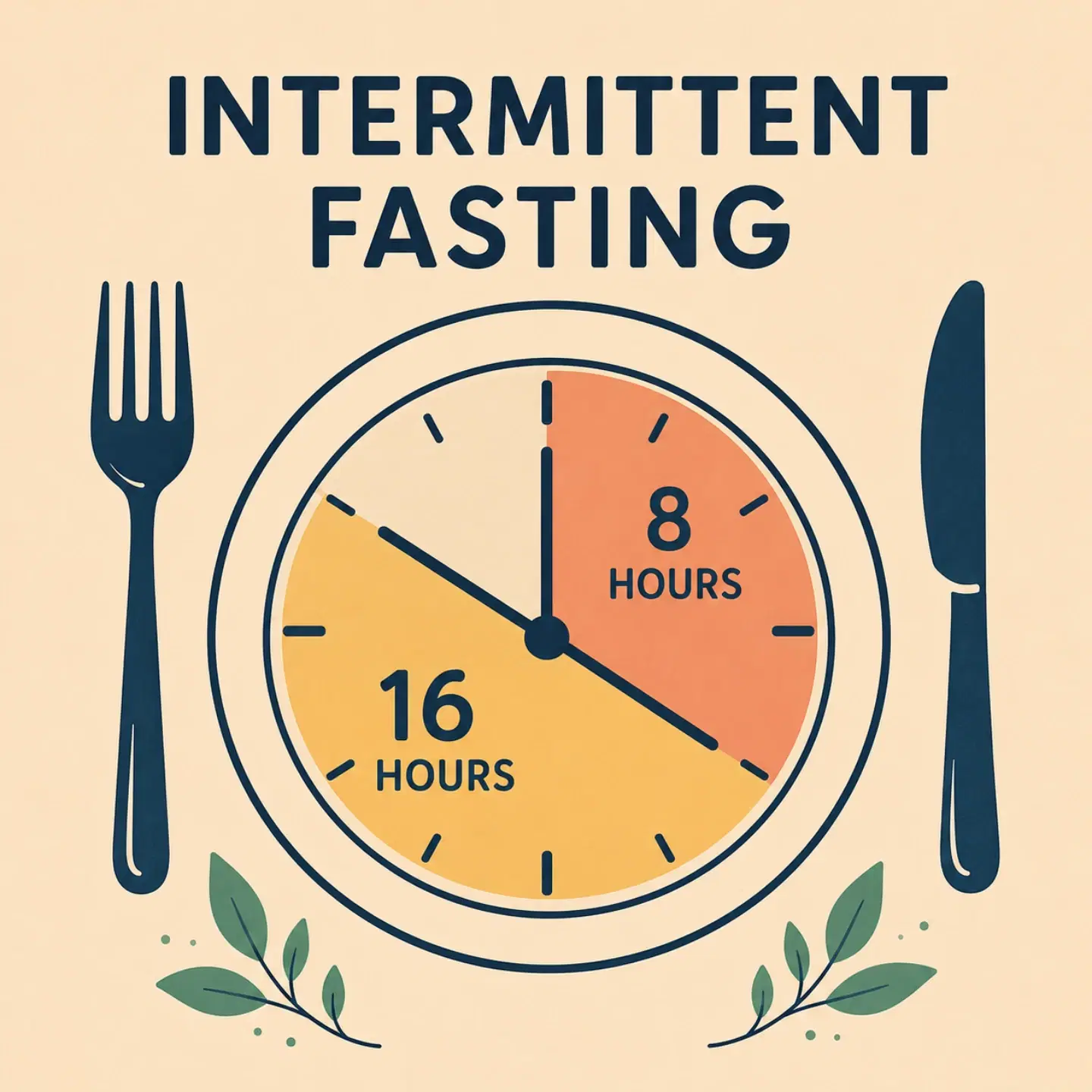
- Hours 12 to 16: This is where the magic of gut rest and healing truly begins. Glycogen stores are depleted. The body starts burning fat for energy (ketosis). Ketones are highly anti-inflammatory. Cellular repair processes in the intestinal lining accelerate.
- Hours 16 to 24: (Advanced fasting). Autophagy peaks. The body aggressively breaks down damaged intestinal cells and replaces them.
Note: Fasting beyond 16 hours should ideally be done under the supervision of a healthcare provider, especially if you have pre-existing health conditions. [Source: New England Journal of Medicine - Effects of Intermittent Fasting on Health, Aging, and Disease]
Benefits vs. Risks for the Indian Phenotype
While the science is highly encouraging, the application of fasting must be tailored to the individual. The typical Indian phenotype and lifestyle present unique challenges and benefits.
The Benefits
- Reversal of Insulin Resistance: High carbohydrate consumption (rice, wheat) drives insulin resistance. Fasting lowers insulin levels, which indirectly reduces inflammatory pathways in the gut.
- Reduced Bloating: Giving the MMC time to clear out the small intestine drastically reduces the fermentation of food by trapped bacteria, leading to a flatter, more comfortable stomach.
- Enhanced Brain Clarity: As the gut-brain axis stabilizes and systemic inflammation drops, many people report a significant reduction in "brain fog."
The Risks and Danger Zones
- The "Empty Stomach Chai" Problem: A common habit in India is breaking a morning fast with strong tea or coffee loaded with sugar and milk. Consuming tannins and caffeine on a completely empty, fasted stomach can trigger severe gastritis, acid reflux, and damage the stomach lining.
- Gallbladder Sludge: The gallbladder releases bile when you eat fats. If you fast for excessively long periods, bile sits in the gallbladder and concentrates, potentially turning into "sludge" or gallstones.
- Binge Eating: Fasting for 16 hours only to break the fast with an enormous, heavy thali defeats the purpose. The sudden influx of massive calories causes immense gastrointestinal distress.
Expert Tips for Safe Intermittent Fasting
If you want to use intermittent fasting for gut health, you must approach it methodically. Here are expert guidelines to ensure success without damaging your digestive system.
1. Start Slow (The 12:12 Method)
Do not jump directly into a 16-hour fast. Start by simply finishing your dinner by 8 PM and eating breakfast at 8 AM. This 12-hour window aligns with your circadian rhythm and provides baseline gut rest and healing. Once comfortable, slowly push breakfast back by an hour every few days.
2. Prioritize Hydration and Electrolytes
Fasting depletes electrolytes. Drink plenty of water. Add a pinch of Himalayan pink salt or rock salt (sendha namak) to your morning water to maintain mineral balance. Plain water, black coffee, and green tea are permitted during the fast.
3. Break the Fast Gently
How you break your fast is more important than the fast itself. Your digestive system has been asleep; do not shock it.
- Do not break a fast with simple sugars, heavy dairy, or deep-fried foods.
- Do break a fast with a small portion of easily digestible protein or cooked vegetables. Bone broth, a small bowl of cooked moong dal, or a handful of soaked almonds are excellent choices.
- For a visual guide on what to consume for optimal intestinal repair, check out this valuable resource: Eat These Fantastic Foods for a Healthy Small Intestine!
4. Listen to Your Body's Warning Signs
Fasting is not a cure-all. If you are experiencing severe, chronic pain, fasting might mask a deeper anatomical or medical issue that requires urgent clinical evaluation.
Sometimes, what you assume is just acidity or hunger pangs could be a sign of ulcers, strictures, or inflammatory bowel disease. If you experience ongoing discomfort, it is absolutely essential to educate yourself on the warning signs. We highly recommend reading this detailed medical guide: Repeated Stomach Pain: Hidden Causes You Shouldn’t Ignore.
Patient Q&A: Autoimmune Diseases, Inflammation, and Gut Health
In our clinical experience, patients arrive with deep anxiety regarding the connection between their digestion and systemic health issues. Below, we address the most common, complex questions related to this topic.
What triggers autoimmune diseases in the digestive tract?
Autoimmune diseases of the gut, such as Crohn's Disease and Ulcerative Colitis (forms of Inflammatory Bowel Disease or IBD), are triggered by a combination of genetic predisposition and environmental factors. The primary environmental trigger is usually a severe disruption in the microbiome (dysbiosis). This can be caused by repeated antibiotic usage, chronic psychological stress, a diet highly processed in refined seed oils and sugars, or a severe gastrointestinal infection that the body never fully recovered from. This disruption confuses the local immune system, causing it to attack the mucosal lining of the intestines.
How does the gut play a role in systemic autoimmune conditions like Rheumatoid Arthritis?
The gut houses approximately 70% to 80% of your entire immune system. It acts as the primary training ground for your immune cells. When the gut barrier becomes permeable (leaky gut), foreign proteins and bacterial endotoxins escape into the bloodstream.
The immune system creates antibodies to fight these specific invaders. Unfortunately, the protein structure of these bacterial toxins often looks incredibly similar to the protein structure of your own joint tissue (molecular mimicry). The antibodies end up attacking both the bacterial toxin and your joints simultaneously. At specialized facilities like Bangalore Gastro Centre, advanced diagnostic protocols are utilized to assess gut health and identify these underlying inflammatory drivers before they cause irreversible systemic damage.
Can intermittent fasting for gut health reverse autoimmune damage?
It is vital to manage medical expectations accurately. Intermittent fasting cannot "cure" or entirely reverse established autoimmune diseases, as these involve complex genetic and immunological memory. However, fasting is an exceptionally powerful tool for managing the disease and inducing remission.
By drastically lowering the daily influx of dietary antigens and reducing circulating insulin, fasting directly lowers systemic inflammatory markers like CRP (C-Reactive Protein) and IL-6 (Interleukin-6). Many patients with autoimmune joint pain report significant reductions in morning stiffness, swelling, and fatigue when adhering to a strict fasting regimen.
Is fasting good for digestion if I already have IBS or IBD?
The relationship between fasting and digestion in the context of active bowel disease is highly nuanced.
- For IBS (Irritable Bowel Syndrome): Fasting is generally highly beneficial. It activates the Migrating Motor Complex, clears out fermenting bacteria, and gives the overactive nervous system of the gut a chance to calm down.
- For IBD (Inflammatory Bowel Disease): Caution is required. During an active "flare-up" of Crohn's or Colitis, the body is in a hyper-metabolic state, desperately trying to heal deep tissue ulcers. Fasting during a severe flare can lead to dangerous malnutrition and muscle wasting. In these cases, eating small, easily digestible, nutrient-dense meals is often preferred. Fasting should only be attempted during periods of disease remission, under strict medical guidance.
When should I see a specialist for gut and joint issues?
You should seek immediate evaluation from a gastroenterologist or rheumatologist if you experience any of the following "red flag" symptoms:
- Unexplained, unintentional weight loss.
- Blood in your stool or black, tarry stools.
- Severe joint pain that is accompanied by chronic diarrhea.
- Waking up in the middle of the night due to abdominal pain.
- Difficulty swallowing or chronic, severe acid reflux that does not respond to basic lifestyle changes.
Ignoring these symptoms can lead to progressive tissue damage that becomes much harder to treat later.
How do modern fasting protocols compare to traditional Indian Upvas?
Traditional Indian fasting (Upvas or Vrat) often involves abstaining from grains (wheat, rice) and salt, but allows the consumption of fruits, milk, sago (sabudana), and root vegetables. While culturally significant, this is technically a caloric restriction or a dietary shift, not a true physiological fast.
Because foods like sabudana and fruits are extremely high in carbohydrates, they continuously spike insulin levels and keep the digestive machinery running. To achieve true gut rest and healing, a water-only fast (or consuming zero-calorie beverages like black tea) for a specified window is required.
Conclusion: Adopting a Lifelong Approach to Digestive Wellness
Your gastrointestinal tract is a highly intelligent, self-regulating ecosystem. When fed a constant stream of processed foods and denied the time to rest, that ecosystem breaks down, leading to local discomfort and widespread systemic inflammation.
Understanding the mechanics of fasting and digestion is the first step toward reclaiming your health. Implementing structured fasting windows allows your body to sweep away debris, repair damaged cellular linings, and recalibrate an overwhelmed immune system. It is not a quick-fix diet; it is a profound biological reset.
If you are struggling with chronic digestive issues, unexplained inflammation, or simply want to optimize your metabolic health, professional medical guidance is indispensable. The experts at Bangalore Gastro Centre are dedicated to providing comprehensive, evidence-based care tailored to your unique physiological needs.
By utilizing intermittent fasting for gut health responsibly, you empower your body to heal from the inside out, ensuring a vibrant, active, and pain-free life for years to come.