


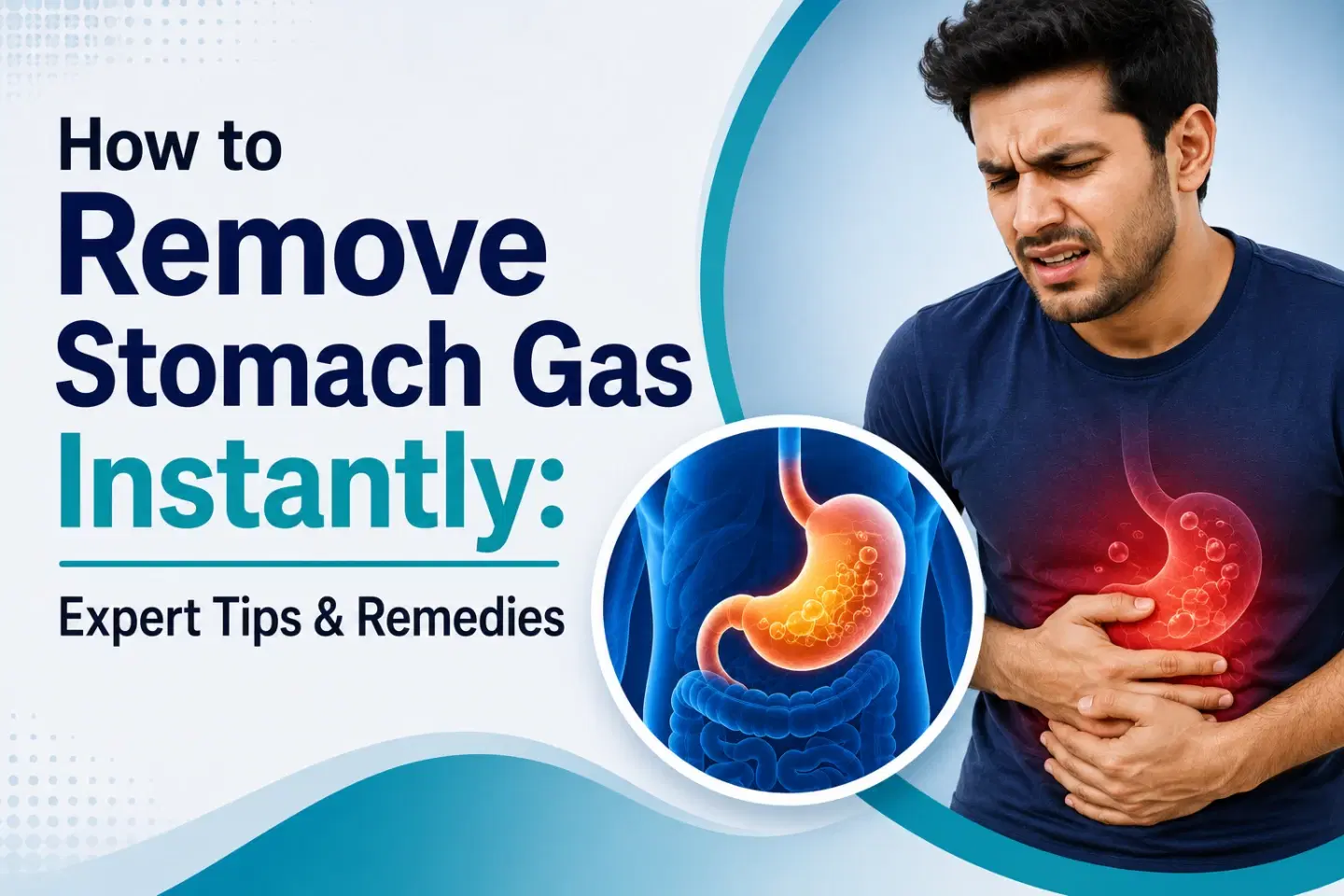
How to Remove Stomach Gas Instantly: Expert Tips & Remedies
We have all been there. You just finished a heavy Sunday lunch of rajma chawal or perhaps a rich paneer butter masala. An hour later, your abdomen feels like a tightly inflated balloon. The pressure builds against your diaphragm. Your clothes suddenly feel too tight, and a sharp, migratory pain shoots across your abdomen. You need answers, and you need them right now.
Stomach gas is a universal human experience, yet it remains a source of immense discomfort and social anxiety. In India, where our traditional diets are heavily reliant on complex carbohydrates, legumes, and dairy, bloating is an incredibly common complaint in gastroenterology clinics. While occasional flatulence is a normal byproduct of digestion, severe trapped gas requires immediate intervention.
This comprehensive guide will explore the exact mechanisms of digestion, the biochemical reasons behind bloating, and practical, medically sound advice on how to remove gas from stomach instantly. Beyond quick fixes, we will also examine the deeper science of gut health. We will explore how chronic digestive issues link to systemic problems, including the complex relationship between your microbiome, joint health, and autoimmune diseases.
The Anatomy of Bloating: What Is Happening Inside?
To effectively manage abdominal discomfort, you must first understand its origin. Gas enters your digestive tract through two primary avenues: aerophagia (swallowed air) and microbial fermentation.
1. Swallowed Air (Aerophagia)
Every time you eat, drink, or even swallow saliva, tiny amounts of atmospheric air travel down your esophagus. If you eat quickly, talk while chewing, or consume carbonated beverages, the volume of swallowed air increases dramatically. Most of this air is expelled via belching. However, a portion bypasses the stomach and enters the small intestine.
2. Microbial Fermentation
The more complex source of intestinal pressure comes from within. Your large intestine is home to trillions of bacteria. When you consume foods containing carbohydrates that your stomach and small intestine cannot fully break down—such as the oligosaccharides found in lentils and chickpeas—these undigested food particles reach the colon intact.
Here, your gut bacteria feast on these particles. This fermentation process produces various gases, including hydrogen, carbon dioxide, and methane. When these gases accumulate faster than your body can absorb or expel them, the intestinal walls stretch. This distension triggers pain receptors in the gut lining, resulting in the acute cramping we associate with trapped gas.
Immediate Interventions: How to Remove Gas From Stomach Instantly
When the pain hits, waiting for the digestive process to simply "run its course" is rarely an option. If you are experiencing severe cramping, your primary goal is to mobilize the trapped air pockets and help them pass through the digestive tract. Here is how to remove gas from stomach instantly using proven physical and chemical methods.
1. Targeted Postural Relief
Physical movement and specific postures can physically compress the abdomen, forcing trapped air pockets downward.
- Pawanmuktasana (Wind-Relieving Pose): This ancient yoga posture is exceptionally effective. Lie flat on your back on a firm surface. Pull both knees up to your chest and wrap your arms around your shins. Gently lift your head to touch your knees. Hold this compressed position for a count of twenty, breathing deeply into your belly. The physical pressure on the ascending and descending colon often provides stomach gas relief within minutes.
- The Left-Side Rescue: The human stomach and descending colon sit on the left side of the body. Lying strictly on your left side allows gravity to assist the movement of waste and air through the digestive tract.
- Knee-to-Chest Position: Similar to the child's pose in yoga. Get on your hands and knees, then lower your chest toward the floor while keeping your hips elevated. This position takes the gravitational pressure off your lower intestines, allowing trapped pockets of methane and hydrogen to rise and pass.
2. Heat Application
Heat acts as a powerful antispasmodic. When your intestines are distended by air, the smooth muscles surrounding them often spasm in response to the stretch. These spasms are the source of the sharp, stabbing pains. Applying a hot water bottle or a modern electric heating pad directly to the bare skin of your abdomen relaxes these intestinal muscles. As the musculature relaxes, the trapped air can move freely, offering rapid stomach gas relief.
Dietary Triggers in the Indian Kitchen
In India, our culinary traditions are vast and highly varied, but many staple ingredients are notorious for fueling bacterial fermentation. Understanding your plate is the first step toward a viable, long-term flatulence treatment strategy.
The Legume Dilemma
Dals, chana, rajma, and moong are the primary protein sources for millions. However, they contain high levels of oligosaccharides—specifically raffinose and stachyose. Humans lack the digestive enzyme needed to break these down. Soaking legumes overnight and discarding the soaking water before pressure cooking is an essential traditional practice that leaches out a significant portion of these gas-producing sugars.
Lactose Intolerance: The Silent Epidemic
A massive percentage of the adult Asian population gradually loses the ability to produce lactase, the enzyme required to digest the sugar in milk. Yet, Indian culture is deeply intertwined with dairy—from morning chai to evening glasses of milk, and heavy paneer gravies. If you experience severe bloating roughly thirty to sixty minutes after consuming dairy, you are likely experiencing lactose fermentation. Switching to curd or buttermilk (which contain pre-digested lactose) often entirely resolves this issue.
Grains and Digestion
The type of staple grain you choose also plays a massive role in gut health. The continuous debate between eating wheat and rice is heavily rooted in digestive capability. Wheat contains fructans and gluten, which can be hard for a compromised gut to process, whereas white rice is almost entirely absorbed in the small intestine, leaving nothing for colon bacteria to ferment. For a medically backed breakdown of this daily dietary choice, watch Rice Vs Chapati | Which Is Best for Digestion? The Truth Explained | Bangalore Gastro Centre.
Kitchen Pharmacy: Traditional Indian Remedies
Before modern medicine developed simethicone, Indian households relied on a rich tradition of Ayurvedic principles to settle the stomach. Many of these remedies possess genuine pharmacological properties that explain their efficacy. If you are at home looking for how to remove gas from stomach instantly, head to your spice rack.
- Ajwain (Carom Seeds) and Black Salt: Ajwain contains thymol, a powerful essential oil that triggers the release of gastric juices, speeding up digestion. Chewing half a teaspoon of roasted ajwain with a pinch of black salt (kala namak) and washing it down with warm water is a highly effective, immediate flatulence treatment.
- Jeera (Cumin) Water: Cumin seeds stimulate the secretion of pancreatic enzymes. Boiling a tablespoon of cumin in a glass of water until the water halves, and drinking it warm, acts as an excellent carminative to expel trapped air.
- Ginger Extract: Ginger accelerates gastric emptying. If your stomach empties its contents into the small intestine faster, there is less time for upper gastrointestinal fermentation.
Beyond the Bloat: The Gut Microbiome and Systemic Inflammation
If you find yourself frantically searching for how to remove gas from stomach instantly every single day, you are no longer dealing with a simple dietary indiscretion. Chronic, painful distension is a glaring red flag from your body indicating a severe imbalance in your gut microbiome—a condition known as dysbiosis.
Your gut is not merely a fleshy tube meant to process food. It is the largest immune organ in the human body. The lining of your intestines is surprisingly fragile; it is only a single cell thick. This delicate barrier has a highly complex job. It must remain permeable enough to allow tiny, broken-down nutrients (like amino acids and simple sugars) to pass into your bloodstream. Simultaneously, it must act as an impenetrable fortress against pathogens, undigested food proteins, and toxic bacterial byproducts.
When your gut flora is imbalanced—due to repeated antibiotic use, chronic stress, or a highly processed diet—the harmful bacteria overgrow. These bacteria produce toxic byproducts called lipopolysaccharides (LPS). Over time, these endotoxins irritate the delicate intestinal lining, causing the tight junctions between the cells to break apart. This phenomenon is medically known as intestinal permeability, or "leaky gut."
Recognizing the Red Flags: When to Seek Medical Help
Occasional flatulence is normal. But if you rely on instant gas relief medications multiple times a week, you need proper medical diagnostics. At specialized centers like Bangalore Gastro Centre, advanced diagnostics help identify the root cause of chronic bloating.
You must consult a gastroenterologist if your stomach gas is accompanied by any of the following "red flag" symptoms:
- Unexplained, rapid weight loss.
- Blood in your stool or exceptionally dark, tarry stools.
- A persistent feeling of fullness even after eating very little.
- Severe abdominal pain that awakens you from sleep.
- Chronic diarrhea or shifting bowel habits.
Conditions like Small Intestinal Bacterial Overgrowth (SIBO), Irritable Bowel Syndrome (IBS), or even Inflammatory Bowel Disease (IBD) require specific medical protocols, targeted antibiotics, and specialized dietary guidance that no home remedy can fix.
Furthermore, patients often confuse severe upper abdominal gas pressure with respiratory or cardiac distress. Because the stomach sits just below the diaphragm, severe distension can restrict lung expansion, causing shortness of breath. However, if you experience shortness of breath alongside upper abdominal pressure, it requires immediate medical evaluation to rule out cardiopulmonary issues. To understand respiratory red flags better, read our When to See a Pulmonologist: Respiratory Health Guide.
When should I see a specialist for combined stomach gas and systemic symptoms?
If you are experiencing chronic stomach gas, daily bloating, and erratic bowel movements combined with symptoms that seem totally unrelated—such as chronic fatigue, brain fog, unexplained skin rashes (like eczema or psoriasis), or stiffness in your hands and knees upon waking—you must see a specialist.
Do not dismiss the joint pain as "aging" or the bloating as "just a bad diet." These combined symptoms strongly suggest an active inflammatory cascade originating in the gut. A gastroenterologist and a rheumatologist often work together in these cases to diagnose the underlying immune trigger.
Is there a specific diet to treat both gut dysbiosis and autoimmune inflammation?
While individual needs vary, an anti-inflammatory elimination diet is typically the first step. This involves temporarily removing known inflammatory triggers—such as gluten, refined sugars, ultra-processed seed oils, and sometimes dairy or nightshades.
Simultaneously, the diet must be enriched with Omega-3 fatty acids, turmeric (curcumin), and diverse, easily digestible plant polyphenols to feed the good bacteria. The goal is to starve the pathogenic, gas-producing bacteria while providing the nutritional building blocks needed to repair the leaky gut lining.
Long-Term Prevention: Structuring a Healthy Digestive Lifestyle
Knowing how to remove gas from stomach instantly provides a safety net for bad days, but the ultimate goal is to prevent the distension from occurring in the first place. Structuring a lifestyle that respects the limits of your digestive enzymes and the health of your microbiome requires daily commitment.
1. The Mechanics of Chewing
Digestion does not begin in the stomach; it begins in the mouth. Human saliva contains amylase, an enzyme that specifically breaks down carbohydrates. If you inhale your food without chewing it thoroughly, the stomach has to work overtime. Large, unchewed food particles move into the intestines, where they become a massive buffet for fermenting bacteria. Chew your food until it is almost liquid. This simple habit drastically reduces post-meal gas.
2. Strategic Hydration
Drinking large volumes of water during a meal dilutes the hydrochloric acid in your stomach, weakening its ability to break down proteins. However, chronic dehydration leads to severe constipation. When stool sits in the colon for days, bacteria continuously ferment it, creating a relentless buildup of toxic gas. Drink plenty of water throughout the day, but limit liquid intake to small sips during heavy meals.
3. Managing the Cortisol Squeeze
There is a direct neurological highway between the brain and the gut known as the vagus nerve. When you are stressed, your brain releases cortisol and adrenaline, throwing your body into a "fight or flight" state. In this state, the body considers digestion a low priority. Blood flow is diverted away from the stomach to the limbs. Gastric juices dry up, and intestinal motility halts. Eating a heavy meal while highly stressed or anxious almost guarantees that the food will sit, stagnate, and ferment, leading to painful bloating. Practice deep, diaphragmatic breathing before eating to activate the "rest and digest" parasympathetic nervous system.
4. Smart Fiber Integration
Fiber is essential for feeding a healthy microbiome, but a sudden increase in fiber intake will cause explosive gas. If you are transitioning to a healthier, plant-based diet, you must increase your fiber intake incredibly slowly. Give your gut bacteria weeks to adapt to the new workload. Incorporate soluble fibers (like oats and psyllium husk) before introducing heavy loads of insoluble fibers (like raw kale or heavy bran).
Conclusion
Abdominal distension is an uncomfortable, often painful interruption to daily life. Fortunately, understanding the physiological mechanisms behind digestion provides clear pathways to relief. Whether you rely on physical postures, herbal remedies from the Indian kitchen, or targeted pharmaceutical aids, knowing how to remove gas from stomach instantly empowers you to take control of your digestive comfort.
However, always listen to the deeper messages your body sends. If your search for stomach gas relief becomes a daily struggle, look beyond the surface symptoms. Protect your microbiome, monitor your joint health, and do not hesitate to seek expert medical evaluation to ensure your entire systemic engine runs smoothly.