
Fatty Liver Medications: What Works & What Doesn't (An Evidence-Based Guide)
You open your routine health checkup report. Your eyes scan past the normal cholesterol numbers and land on a bolded line from your ultrasound: Grade 2 Fatty Liver. Panic sets in. You feel completely fine. You might be in your 30s or 40s, balancing a stressful corporate job in a bustling Indian city, and suddenly, you are holding a document that suggests your liver is quietly failing.
Take a deep breath. You are far from alone.
Non-Alcoholic Fatty Liver Disease (NAFLD)—recently updated in medical literature to Metabolic Dysfunction-Associated Steatotic Liver Disease (MASLD)—is rapidly becoming an epidemic in India. Driven by sedentary lifestyles, high-carbohydrate diets, and genetic predispositions, a significant portion of the adult population is walking around with fat accumulated in their liver cells.
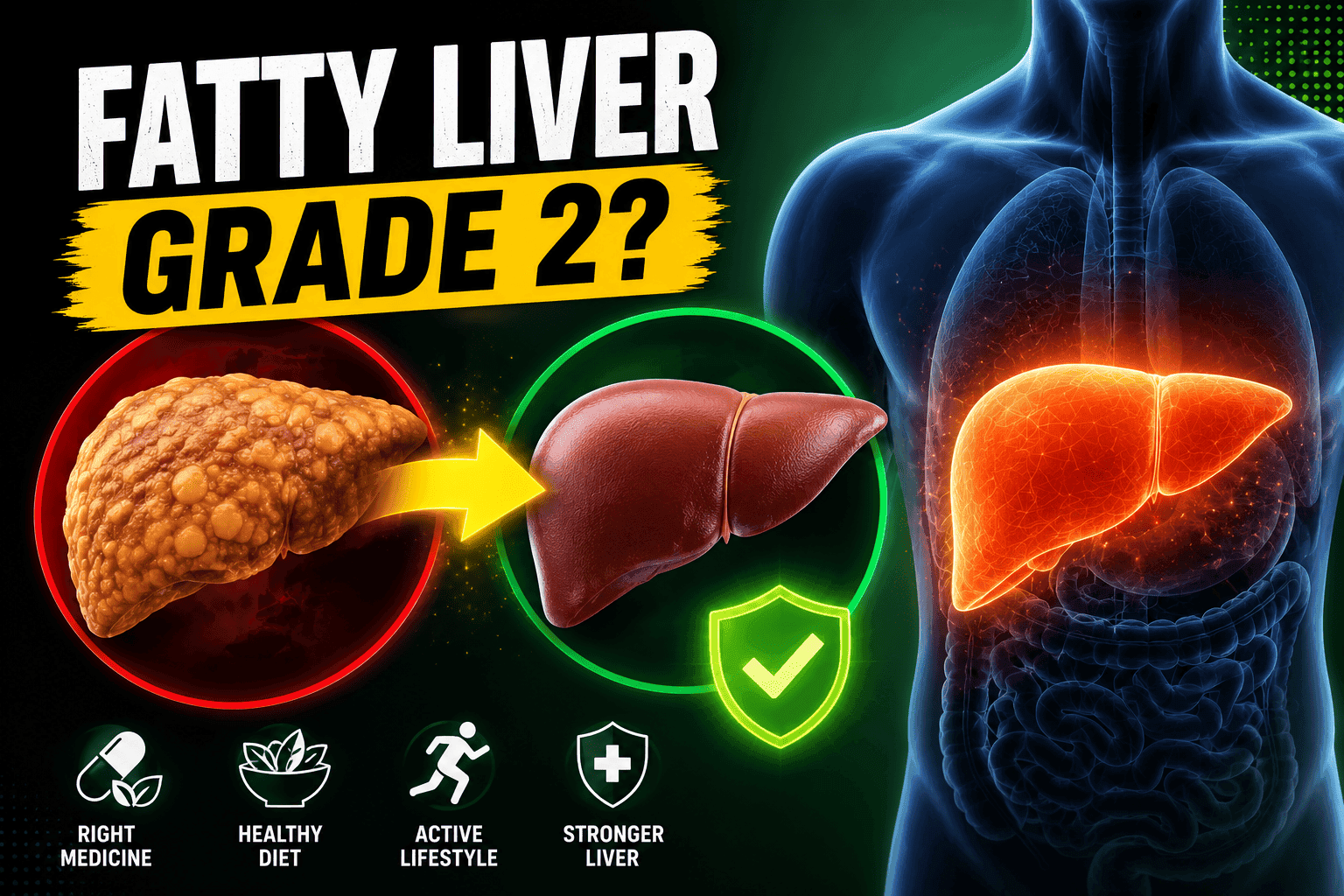
Grade 2 signifies moderate steatosis. This means fat has accumulated in roughly 33% to 66% of your liver cells. It is a wake-up call, but it is not a death sentence. The liver is incredibly resilient and capable of regeneration. However, finding the best medicine for fatty liver grade 2 requires separating hard medical science from clever marketing.
This comprehensive guide will examine the clinical realities of fatty liver treatments, explore the deep connection between your gut, liver, and joints, and outline the exact evidence-based protocols that actual doctors recommend.
The Science of Steatosis: What is Happening Inside Your Liver?
Before we look at medications, we must understand the mechanics of the disease. The liver is your body's primary metabolic engine and filtration system. When you consume excess calories, particularly refined carbohydrates and fructose, your body converts this surplus energy into triglycerides. These fats are stored in liver cells (hepatocytes).
When fat accumulation exceeds the liver's capacity to process and export it, inflammation begins. The liver cells become engorged. They swell, become stressed, and can eventually die, triggering a healing response that lays down scar tissue (fibrosis).
But this process does not happen in isolation. Modern medicine has uncovered a profound connection known as the gut-liver axis.
The Clinical Reality: Finding the Best Medicine for Fatty Liver Grade 2
When patients receive their ultrasound results, their first instinct is to ask their doctor for a quick fix. They want a prescription. They want to know the absolute best medicine for fatty liver grade 2 that will melt the fat away in a matter of weeks.
The scientific reality is complex. Until very recently, there were no FDA-approved medications specifically engineered for fatty liver disease. Treatment relied heavily on managing the underlying metabolic conditions: insulin resistance, obesity, and dyslipidemia (abnormal cholesterol).
Today, the landscape is changing. High-quality, randomized controlled trials (RCTs)—the gold standard of medical evidence—have identified several pharmaceutical interventions that show significant efficacy.
Let's break down the evidence behind common fatty liver medications.
1. Insulin Sensitizers (Pioglitazone)
Insulin resistance is the primary driver of fat accumulation in the liver. When your cells stop responding to insulin, your pancreas pumps out more of it, and your liver responds by ramping up fat production.
Pioglitazone, a medication originally designed for Type 2 diabetes, has robust clinical backing. The landmark PIVENS (Pioglitazone, Vitamin E, or Placebo for Nonalcoholic Steatohepatitis) trial demonstrated that Pioglitazone significantly improves liver histology and reduces inflammation in patients with advanced fatty liver. [[Source: New England Journal of Medicine]].
The Verdict: For many endocrinologists and hepatologists, a low-dose Pioglitazone formulation is considered a strong candidate for the best medicine for fatty liver grade 2, particularly for patients who are also pre-diabetic or diabetic. However, it requires careful monitoring due to potential side effects like weight gain and bone density issues.
2. High-Dose Vitamin E
Oxidative stress damages liver cells. Antioxidants help neutralize this threat. The same PIVENS trial evaluated high-dose Vitamin E (800 IU daily) in non-diabetic patients with aggressive fatty liver disease. The results showed a significant reduction in liver inflammation and fat ballooning.
The Verdict: While Vitamin E acts as a supportive fatty liver grade 2 medicine, it is not a standalone cure. It is heavily utilized in clinical practice for specific patient profiles, but taking mega-doses without medical supervision is dangerous, as long-term use has been linked to other health risks.
3. GLP-1 Receptor Agonists (Semaglutide & Liraglutide)
This is currently the most exciting frontier in metabolic medicine. Medications like Semaglutide (often known by brand names like Ozempic or Wegovy) mimic a natural gut hormone that regulates appetite and insulin.
Extensive Sort A evidence (high-quality RCTs) has shown that these injectable medications facilitate massive weight loss, which directly translates to a rapid reduction in liver fat. Recent phase 2 trials indicate that Semaglutide effectively resolves steatohepatitis (liver inflammation) in a significant percentage of patients without worsening scarring.
The Verdict: While technically a diabetes and weight-loss drug, its secondary benefits make it an exceptionally powerful fatty liver grade 2 medicine.
4. Liver-Directed Thyroid Hormone Receptor Agonists (Resmetirom)
In early 2024, the medical community saw a breakthrough with the approval of Resmetirom. This oral medication specifically targets thyroid hormone receptors inside the liver to accelerate the breakdown of fats. Clinical trials showed it successfully reduced liver fat and resolved inflammation.
The Verdict: This represents the first targeted therapy for advanced stages, though its use for moderate Grade 2 steatosis will depend heavily on the patient's specific fibrosis risk and the prescribing physician's discretion.
Decoding Syrups and Tablets: Fact vs. Fiction
In India, there is a deep cultural affinity for liquid medicines and daily tonics. Walk into any pharmacy, and you will see shelves lined with products claiming to "detoxify" and "rejuvenate" the liver. Many patients immediately ask for a fatty liver grade 2 syrup upon diagnosis.
We must differentiate between clinically proven medications and dietary supplements.
Allopathic and Synthetic Options
When doctors prescribe a fatty liver grade 2 tablet, they are often targeting secondary symptoms or attempting to protect liver cells from further damage.
Ursodeoxycholic Acid (UDCA): This is a naturally occurring bile acid. You will frequently see it prescribed as a tablet. While it is highly effective for specific autoimmune liver conditions (like Primary Biliary Cholangitis), its evidence for reversing standard metabolic fatty liver is weak. It may temporarily lower elevated liver enzymes (ALT and AST) on a blood test, giving the illusion of a cure, but RCTs show it does little to actually reduce the physical fat stored in the liver.
Silymarin (Milk Thistle Extract): Available as both a capsule and a fatty liver grade 2 syrup, Silymarin is widely consumed. It is a known antioxidant. Some studies suggest it mildly reduces oxidative stress in the liver. However, major hepatology guidelines do not formally endorse it as a primary treatment because large-scale, placebo-controlled trials have failed to show significant histological improvement.
Ayurvedic and Herbal Syrups
The search for the best syrup for fatty liver grade 2 often leads patients to traditional formulations containing ingredients like Kalmegh, Bhringraj, and Punarnava.
Do these work? Anecdotally, many patients report feeling better and seeing minor improvements in their liver function tests. Some of these herbs possess genuine anti-inflammatory properties. However, from a strict evidence-based perspective, there is a lack of rigorous, peer-reviewed Sort A evidence proving that any specific herbal fatty liver grade 2 syrup can reliably reverse moderate steatosis on its own.
Relying solely on a syrup while ignoring diet and exercise is a recipe for progression to Grade 3 fatty liver and eventual cirrhosis. If you choose to use an herbal adjuvant, it must be discussed with your hepatologist to ensure it does not interact negatively with your prescription fatty liver medications.
Diet, Gut Health, and Systemic Inflammation
If medications are only part of the puzzle, what completes it? The answer lies in your daily habits. You cannot out-medicate a bad diet. Finding the absolute best medicine for fatty liver grade 2 is useless if you continue to pour fuel on the inflammatory fire.
The Indian Dietary Challenge
The standard urban Indian diet is highly conducive to fatty liver. It is often disproportionately high in simple carbohydrates (white rice, refined wheat flour/maida) and heavily processed seed oils.
When you consume a massive load of carbohydrates, your body breaks them down into glucose. The excess glucose is shipped to the liver, where a process called de novo lipogenesis converts it directly into fat. Furthermore, the modern consumption of ultra-processed snacks introduces emulsifiers and artificial ingredients that devastate the gut microbiome.
To reverse Grade 2 fatty liver, you must fundamentally alter this environment:
- Slash Refined Carbs: Replace white rice with complex grains like millets (jowar, bajra, ragi) or quinoa. These have a lower glycemic index and prevent insulin spikes.
- Eliminate Fructose: High-fructose corn syrup and processed fruit juices bypass normal metabolic regulation and go straight to the liver to be packaged as fat.
- Increase Lean Protein: Adequate protein (paneer, tofu, lentils, fish, lean poultry) is essential for liver regeneration and maintaining muscle mass, which helps improve insulin sensitivity.
- Embrace Omega-3s and Healthy Fats: Swap refined sunflower or soybean oils for cold-pressed mustard oil, olive oil, or moderate amounts of traditional ghee.
Healing the Microbiome
Remember the gut-liver axis we discussed earlier? Healing your gut is a non-negotiable step in reversing liver inflammation. You need a diverse microbiome to maintain the integrity of your intestinal walls and stop endotoxins from reaching your liver.
For many patients, chronic gut issues like Irritable Bowel Syndrome (IBS) coexist with metabolic disorders. The persistent bloating, irregular bowel movements, and abdominal discomfort are clear signs of dysbiosis. Addressing this is vital. For a deeper understanding of how to resolve these chronic gut issues, watch this detailed explanation: Why IBS Keeps Coming Back - And the Long-Term Fix Doctors Recommend | Bangalore Gastro Centre.
The Oxygen Factor: Sleep Apnea and the Liver
There is another massive, often overlooked driver of fatty liver: Obstructive Sleep Apnea (OSA).
If you snore heavily or wake up feeling unrefreshed, your airway might be collapsing during sleep. This causes intermittent hypoxia (drops in blood oxygen levels). Every time your oxygen drops, your body releases stress hormones (cortisol and adrenaline). This nightly stress response triggers immense systemic inflammation, exacerbates insulin resistance, and accelerates the progression of fatty liver disease.
Treating sleep apnea is sometimes just as important as prescribing a fatty liver grade 2 tablet. If you suspect you have respiratory or sleep-related issues contributing to your metabolic health, it is vital to seek specialized evaluation. Read our comprehensive guide on When to See a Pulmonologist: Respiratory Health Guide to understand if this missing link applies to you.
Autoimmune Diseases and Your Liver: Patient Questions Answered
Because fatty liver is a disease of systemic inflammation, patients frequently present with a complex web of symptoms. The overlapping nature of metabolic dysfunction and autoimmunity requires careful clinical differentiation. Below, we address the most common patient concerns regarding autoimmunity, the gut, and the liver.
What triggers autoimmune liver diseases and systemic inflammation?
Autoimmunity occurs when your immune system loses tolerance and begins attacking your own healthy cells. In the context of the liver, this can manifest as Autoimmune Hepatitis (AIH), Primary Biliary Cholangitis (PBC), or Primary Sclerosing Cholangitis (PSC).
The exact triggers are multifactorial. Genetics load the gun, but environment pulls the trigger. Viral infections, exposure to certain environmental toxins, and severe stress can initiate the autoimmune cascade. Furthermore, molecular mimicry plays a role. This happens when a foreign pathogen (like a virus or harmful gut bacteria) shares structural similarities with your own liver cells. When your immune system attacks the pathogen, it accidentally destroys your liver tissue in the crossfire.
It is highly important to note that a patient can have both Grade 2 metabolic fatty liver and an underlying autoimmune liver condition simultaneously. This dual pathology requires highly specialized medical management, far beyond standard fatty liver medications.
How does the gut play a role in autoimmunity and joint health?
The gut microbiome is the training ground for your immune system. Roughly 70% of your immune cells reside in the gut-associated lymphoid tissue (GALT).
When dysbiosis occurs and the intestinal barrier becomes overly permeable (leaky gut), large protein molecules and undigested food particles slip into the bloodstream. The immune system flags these as foreign invaders and mounts an aggressive antibody response.
This is where the gut-joint axis becomes visible. The antibodies created to fight these gut-derived invaders often cross-react with the synovial tissues in your joints. This is why individuals with severe gut dysbiosis and liver inflammation frequently experience the hallmark symptoms of rheumatoid arthritis or other seronegative arthropathies. Healing the intestinal barrier by reducing dietary inflammatory triggers is a foundational step in calming both liver steatosis and autoimmune joint pain.
When should I see a specialist for liver or autoimmune concerns?
You should immediately consult a hepatologist or gastroenterologist if your ultrasound shows Grade 2 or Grade 3 fatty liver, especially if accompanied by elevated liver enzymes (ALT, AST, GGT) on a blood test.
Do not wait for physical symptoms like jaundice (yellowing of the eyes), severe abdominal swelling (ascites), or chronic fatigue to appear. The liver is a silent organ; it rarely complains until the damage is severe and irreversible (cirrhosis).
Furthermore, if you are attempting lifestyle modifications and using a prescribed fatty liver grade 2 medicine but continue to experience persistent brain fog, unexplained joint pain, chronic bloating, or extreme lethargy, you need a deeper medical investigation.
At specialized centers like Bangalore Gastro Centre, advanced diagnostics help identify the root cause of your inflammation. Specialists can perform advanced imaging, precise serological testing for autoimmune markers, and comprehensive gut microbiome analyses to build a customized, evidence-based treatment protocol.
Diagnostic Procedures & Monitoring Your Progress
Tracking the effectiveness of your chosen best medicine for fatty liver grade 2 requires more than just guessing based on how you feel. Objective medical data is necessary.
- FibroScan (Transient Elastography): This is a specialized, painless ultrasound technology. It measures two critical metrics: the CAP score (which quantifies the exact amount of fat in your liver) and liver stiffness (which indicates the level of scarring or fibrosis). A baseline FibroScan followed by an annual follow-up is the best way to see if your protocol is working.
- Liver Function Tests (LFTs): Regular blood work monitoring AST, ALT, and GGT enzymes helps track active inflammation.
- Metabolic Panels: Because fatty liver is a metabolic disease, you must regularly monitor your HbA1c (three-month blood sugar average), fasting insulin, and a complete lipid profile to ensure systemic metabolic health is improving.
Conclusion: Taking Control of Your Liver Health
Receiving a diagnosis of moderate steatosis can be alarming, but it is entirely manageable with the right approach.
There is no magical best medicine for fatty liver grade 2 that allows you to eat poorly and remain sedentary. Whether your doctor prescribes a targeted fatty liver grade 2 tablet to improve insulin sensitivity, recommends an advanced GLP-1 agonist for weight management, or simply advises aggressive lifestyle intervention, the power to reverse this condition lies heavily in your daily choices.
Stop relying on unproven over-the-counter remedies or searching endlessly for the perfect fatty liver grade 2 syrup. Focus on the evidence. Fix your diet, heal your gut microbiome, screen for sleep apnea, and manage your metabolic health. By partnering with competent medical specialists and committing to a sustainable lifestyle overhaul, you can strip the fat from your liver, halt systemic inflammation, and reclaim your long-term health.