
Colonoscopy in Bangalore: Preparation, Procedure & What to Expect
Why So Many Patients Are Asking About Colonoscopy in Bangalore
In the bustling urban landscape of Bangalore, where the pace of life is fast and dietary habits are rapidly shifting, there has been a noticeable rise in conversations regarding gut health. It is no longer uncommon for young IT professionals in Whitefield or seasoned residents in Jayanagar to discuss digestive discomfort with their doctors. Consequently, the demand for information regarding Colonoscopy in Bangalore has grown significantly.
Yet, despite its prevalence, the word "colonoscopy" often triggers a reflex of anxiety. For many, it implies an invasive procedure, potential pain, or the fear of a serious diagnosis. However, gastroenterologists view the colonoscopy test differently. To a specialist, this is the gold standard of diagnostic care—a routine, potentially life-saving procedure that offers a direct window into the health of your large intestine.
If you have been advised to undergo this procedure, or if you are researching it for a family member, this comprehensive guide is designed to walk you through every step. We will move beyond the medical jargon to explain exactly what happens, how to prepare, and most importantly, address the safety concerns that keep patients up at night.
Common questions we hear include: Is it painful? Is it safe? How clean is the equipment really? What can I eat?
By the end of this article, you will have a clear, demystified understanding of the process, empowering you to approach your appointment with confidence rather than fear.
What Is a Colonoscopy Test and Why Is It Done?
To alleviate fear, we must first build understanding.
Q: What exactly is a colonoscopy test?
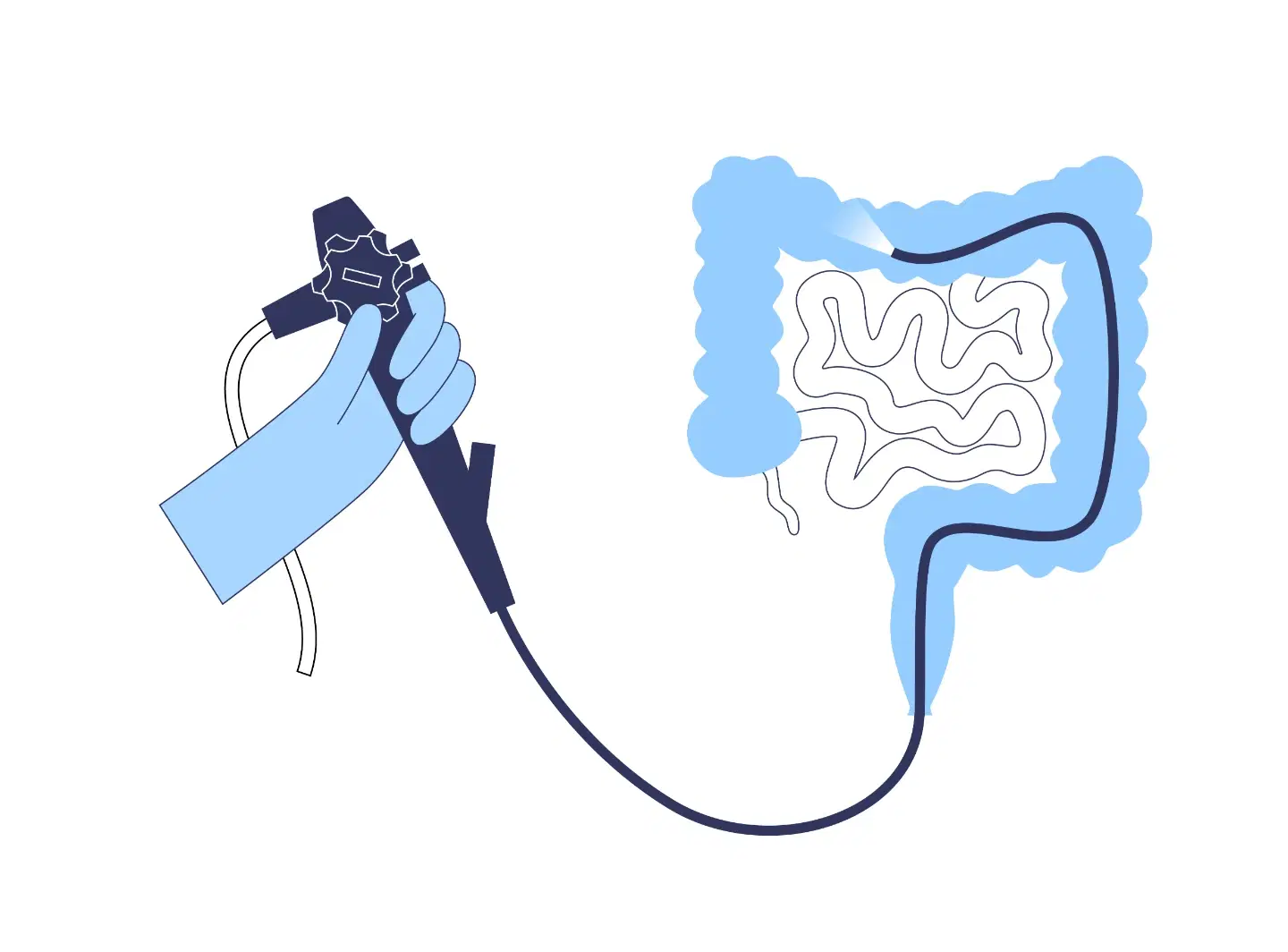
A colonoscopy test is a diagnostic procedure that allows a doctor (specifically a gastroenterologist) to examine the inner lining of your large intestine (rectum and colon). This is done using a specialised instrument called a colonoscope.
Think of a colonoscope as a flexible, slender tube—roughly the thickness of your index finger. At the tip of this tube is a tiny, high-definition video camera and a light source. As the doctor gently guides this tube through the colon, it transmits real-time images to a monitor, allowing the medical team to see inflammation, bleeding, or abnormal growths in great detail.
Q: What conditions can a colonoscopy detect?
The scope of this test goes far beyond just cancer screening. While it is indeed the most effective tool for preventing colorectal cancer, it is also used to diagnose a variety of issues:
- Polyps: These are small clumps of cells that form on the lining of the colon. Most are harmless, but some can develop into cancer over time. A colonoscopy allows doctors to find and remove them right then and there.
- Inflammatory Bowel Disease (IBD): Conditions like Ulcerative Colitis and Crohn’s disease have distinct visual markers that can be identified during the exam.
- Unexplained Symptoms: If you are suffering from chronic diarrhea, sudden weight loss, or unexplained abdominal pain, this test helps identify the root cause.
- Diverticulosis: Small pouches that bulge outward through the colon, which are common as people age but can cause issues if infected.
Q: Who is usually advised to get a colonoscopy in Bangalore?
In the Indian context, the guidelines are shifting. While it was once considered a test for the elderly, lifestyle factors have lowered the recommended age in many urban centres.
- Age-Based Screening: Generally, individuals over the age of 45-50 are advised to undergo a screening colonoscopy, even if they have no symptoms.
- Symptom-Based Referrals: If you have rectal bleeding or chronic changes in bowel habits, age is irrelevant. You need to be checked.
- Family History: If a direct family member (parent or sibling) had colon cancer, your screening might start 10 years prior to the age at which they were diagnosed.
When Should You Consider a Colonoscopy Near Me?
Recognising the signs that your body is in distress is the first step toward healing. Many patients ignore subtle signals until they become severe.
Q: What symptoms indicate I may need a colonoscopy?
You should not wait for a routine check-up if you are experiencing "red flag" symptoms. Consult a gastroenterologist immediately if you notice:
- Blood in the stool: This is never "normal." While it could be piles (haemorrhoids), it could also be a polyp or tumour.
- Persistent Constipation or Diarrhea: We all have bad stomach days, but if the pattern changes and persists for weeks, it requires investigation.
- Sudden, Unexplained Weight Loss: Losing weight without trying is a significant metabolic signal that something is wrong in the digestive tract.
- Anaemia: Low iron levels often indicate internal blood loss that isn't visible to the naked eye.
For more detailed information on specific pain signals, you might want to read our article on Repeated Stomach Pain: Hidden Causes You Shouldn’t Ignore.
Q: Is searching for “colonoscopy near me” the right approach?
When you type colonoscopy near me into a search engine, you will likely get dozens of results, from small clinics to large multi-specialty hospitals. However, proximity should not be your only factor.
A colonoscopy is an operator-dependent procedure. This means the quality of the result depends heavily on the skill of the doctor and the quality of the technology. When looking for a colonoscopy in Bangalore, look for centres that emphasise:
- High-Definition Imaging: Modern scopes can detect flat lesions that older scopes might miss.
- Pain Management: Centres that use CO2 insufflation (filling the gut with CO2 instead of air) cause significantly less bloating and pain.
- Infection Control: This is critical. We will discuss this in detail later, but the sterilization protocols of the clinic are paramount.
Colonoscopy Preparation: What Patients Need to Know Before the Test
This is often the part patients dread the most, but it is also the most critical. If the colonoscopy preparation is not done correctly, the doctor cannot see the colon wall, and you might have to repeat the test.
Q: Why is colonoscopy preparation so important?
Imagine trying to drive a car with a windshield covered in mud. That is what a doctor sees if the colon isn't clean. The colon must be completely empty of stool for the camera to detect small polyps (some are as small as a grain of rice). "Poor prep" is the number one reason for missed lesions.
Q: What dietary changes are required before a colonoscopy?
Preparation usually starts 2 to 3 days before the procedure.
- 3 Days Before: Stop taking iron supplements and avoid high-fibre foods. This means no nuts, seeds, corn, popcorn, or raw vegetables. These foods leave a residue that is hard to flush out.
Q: What bowel-cleansing medicines are commonly prescribed?
In the evening before the test (or the morning of, depending on your appointment time), you will take a strong laxative solution. In India, common preparations involve powders (like PEG-based solutions) mixed with large amounts of water.
- The Split-Dose Method: Most gastroenterologists now recommend drinking half the solution the night before and the other half early in the morning of the procedure. This is proven to clean the colon better than drinking it all at once.
- Stay Near a Toilet: Once you start the colonoscopy preparation solution, the urge to use the restroom will be frequent and urgent. This is normal and means the medicine is working.
What to Eat Before and After Colonoscopy: Gut-Friendly Guidance
Food anxiety is common around this procedure. Let’s break it down simply.
Q: What should I eat before my colonoscopy?
In the days leading up to your colonoscopy preparation, focus on "low-residue" foods. These are foods that your body digests easily and completely.
- White rice or refined pasta.
- White bread or toast.
- Well-cooked vegetables without skins (like peeled potatoes).
- Tender meat, chicken, or fish.
- Eggs.
Q: What foods help recovery after a colonoscopy?
After the procedure, your gut may feel a little sensitive. While you can usually return to a normal diet fairly quickly, it is kind to your stomach to start slow.
- Probiotics: Yoghurt or curd rice is excellent for restoring gut balance.
- Soft Foods: Idli, khichdi, or soup are perfect first meals.
- Hydration: Drink plenty of water or electrolyte solutions to replace fluids lost during the prep.
For a deeper dive into foods that support your intestinal health long-term, you might find this video helpful: Eat These Fantastic Foods for a Healthy Small Intestine!. Understanding what to eat can prevent future issues.
What Happens During a Colonoscopy Procedure in Bangalore?
You have done the prep, and you have arrived at the centre. What happens next?
Q: How long does a colonoscopy take?
The actual colonoscopy test is surprisingly quick. The procedure itself typically takes about 20 minutes. However, you should plan to be at the centre for 2 to 3 hours to account for check-in, preparation, and recovery time.
Q: Is a colonoscopy painful?
This is the biggest myth. A modern Colonoscopy in Bangalore is rarely painful. You will likely be given a sedative (conscious sedation) or short-acting anaesthesia.
- Sedation: You will feel very drowsy and relaxed. You might fall asleep, or you might stay awake but feel no discomfort.
- Sensations: You might feel some pressure or cramping as air is introduced into the colon to inflate it for better viewing. Most patients wake up in the recovery room and ask, "Is it over already?"
Q: What happens if a polyp is found?
If the doctor spots a polyp, they can usually remove it right then using special tools passed through the colonoscope. This process is painless because the lining of the colon does not have nerve endings that feel cutting or burning. The polyp is then sent to a lab for analysis (biopsy) to determine if it is precancerous.
Patient Safety Focused Q&A: Colonoscopy Equipment Cleaning & Sterilisation
This section addresses the most critical questions regarding patient safety. In a post-pandemic world, asking "How clean is this equipment?" is not just paranoia; it is being a responsible patient.
Because the colonoscope is reused, strict reprocessing protocols are non-negotiable to prevent cross-infection. Reputable centres, such as Bangalore Gastro Centre, adhere to global standards for high-level disinfection.
How Do They Clean Colonoscopy Equipment?
The cleaning process is a rigorous, multi-step cycle that begins the moment the procedure ends. It is not a quick "wash and rinse."
- Pre-Cleaning (Bedside): Immediately after the procedure, while still in the procedure room, the exterior of the scope is wiped down, and a detergent solution is suctioned through the internal channels to prevent blood or mucus from drying.
- Leak Testing: Before getting wet, the scope is pressure-tested to ensure there are no tiny holes or tears where bacteria could hide.
- Manual Cleaning: The scope is taken to a dedicated cleaning room. Here, a technician uses specialised brushes to scrub every internal channel and the external surface using enzymatic detergents that break down biological matter.
- Visual Inspection: The scope is checked under magnification to ensure no debris remains.
Colonoscopy Sterilisation – How Safe Is the Process?
Technically, endoscopes undergo "High-Level Disinfection" (HLD) rather than steam sterilization (like surgical steel tools), because the delicate cameras cannot survive the extreme heat of an autoclave. However, HLD destroys all vegetative bacteria, viruses (including HIV and Hepatitis), fungi, and mycobacteria.
The Role of Technology: The best centres for Colonoscopy in Bangalore use Automated Endoscope Reprocessors (AERs). These are washing machine-like devices that:
- Flush high-potency disinfectants through all channels at specific temperatures.
- Ensure that the disinfectant remains in contact with the scope for the exact required time.
- Filter the water used for rinsing to ensure it is bacteria-free.
- Dry the channels with alcohol and air to prevent moisture retention (bacteria love moisture).
Why This Matters: When this protocol is followed, the risk of infection transmission via a colonoscope is statistically near zero. When choosing a facility, do not hesitate to ask: "Do you use Automated Endoscope Reprocessors?" A quality clinic will be happy to say yes and explain its safety standards.
Common Myths and Fears About Colonoscopy
Let’s tackle the rumors that might be making you hesitate to search for a colonoscopy near me.
Q: Can I get an infection from a colonoscopy?
Fact: As detailed in the section above, strictly regulated disinfection protocols make infection extremely rare. The risk of developing colon cancer by avoiding the test is statistically far higher than the risk of infection from the test itself.
Q: Is a colonoscopy only for older people?
Fact: While age is a major factor, younger people are increasingly being diagnosed with IBD and rectal issues. If you are 30 and have blood in your stool, you are not "too young" for a colonoscopy. It is a diagnostic tool, not just a retirement ritual.
Q: Will I be embarrassed?
Fact: Doctors and nurses perform thousands of these procedures. They are focused on the clinical task—navigating the scope and checking for health issues. Your dignity and privacy are respected throughout the process, usually with the use of special shorts with a flap in the back to minimise exposure.
Recovery After Colonoscopy: What Should You Expect?
The procedure is done. You are in the recovery room. What now?
Q: What side effects are normal after a colonoscopy?
Most people feel surprisingly normal. However, you might experience:
- Gas and Bloating: This is the most common complaint. The air introduced during the test needs to come out. Passing gas is encouraged and is a sign of recovery!
- Grogginess: If you had sedation, you will feel sleepy. You must not drive yourself home. Ensure a family member or friend is there to pick you up.
- Mild Cramping: This usually resolves quickly after passing gas.
Q: When can I return to normal activities?
- Work: You should take the rest of the day off. Most patients go back to work the very next morning.
- Diet: You can usually eat a light meal as soon as you get home. Avoid very spicy or greasy food (like heavy biryani) for the first 24 hours to let your gut rest.
- Exercise: heavy lifting or strenuous gym sessions should be avoided for 24 hours, especially if a polyp was removed.
Choosing the Right Gastroenterology Centre for Colonoscopy in Bangalore
With so many options, how do you choose? When evaluating a centre for Colonoscopy in Bangalore, look beyond the lobby aesthetics.
Checklist for Patients:
- The Team: Are the procedures performed by qualified Medical Gastroenterologists?
- The Tech: Do they mention High-Definition (HD) scopes or Narrow Band Imaging (NBI)? These technologies help doctors see better.
- Transparency: Are they willing to answer your questions about colonoscopy sterilisation and costs upfront?
- Patient Comfort: Do they offer sedation options?
Centres like Bangalore Gastro Centre prioritise these aspects, ensuring that the patient experience is as stress-free and safe as possible.
Frequently Asked Questions About Colonoscopy
Is colonoscopy safe?
Yes. It is considered a very safe routine procedure. Complications like perforation or bleeding are extremely rare (occurring in less than 1 in 1,000 diagnostic cases) when performed by experienced specialists.
How often should a colonoscopy be done?
If your results are normal and you have no family history of cancer, you typically don't need another one for 10 years. If polyps were found, your doctor might ask you to return in 3 to 5 years.
Can I eat normally after the test?
Generally, yes. Unless your doctor specifies otherwise (usually if a large polyp was removed), you can return to your regular diet the next day. Start with light meals to prevent indigestion.
Is a colonoscopy expensive in Bangalore?
The cost varies depending on the hospital and whether a biopsy/polypectomy is required. However, compared to the cost of treating advanced diseases that could have been prevented, it is a highly cost-effective investment in your health.
Making Informed Decisions About Colonoscopy in Bangalore
Deciding to undergo a medical procedure is never easy, but knowledge is the antidote to anxiety. We hope this guide has answered your questions about the colonoscopy test, from the nuances of colonoscopy preparation to the rigorous safety standards involved in equipment cleaning.
If you are experiencing symptoms or are simply of the age where screening is recommended, do not delay. A colonoscopy is a brief