
Bile Acid Malabsorption (BAM): Symptoms, Diagnosis & Treatment
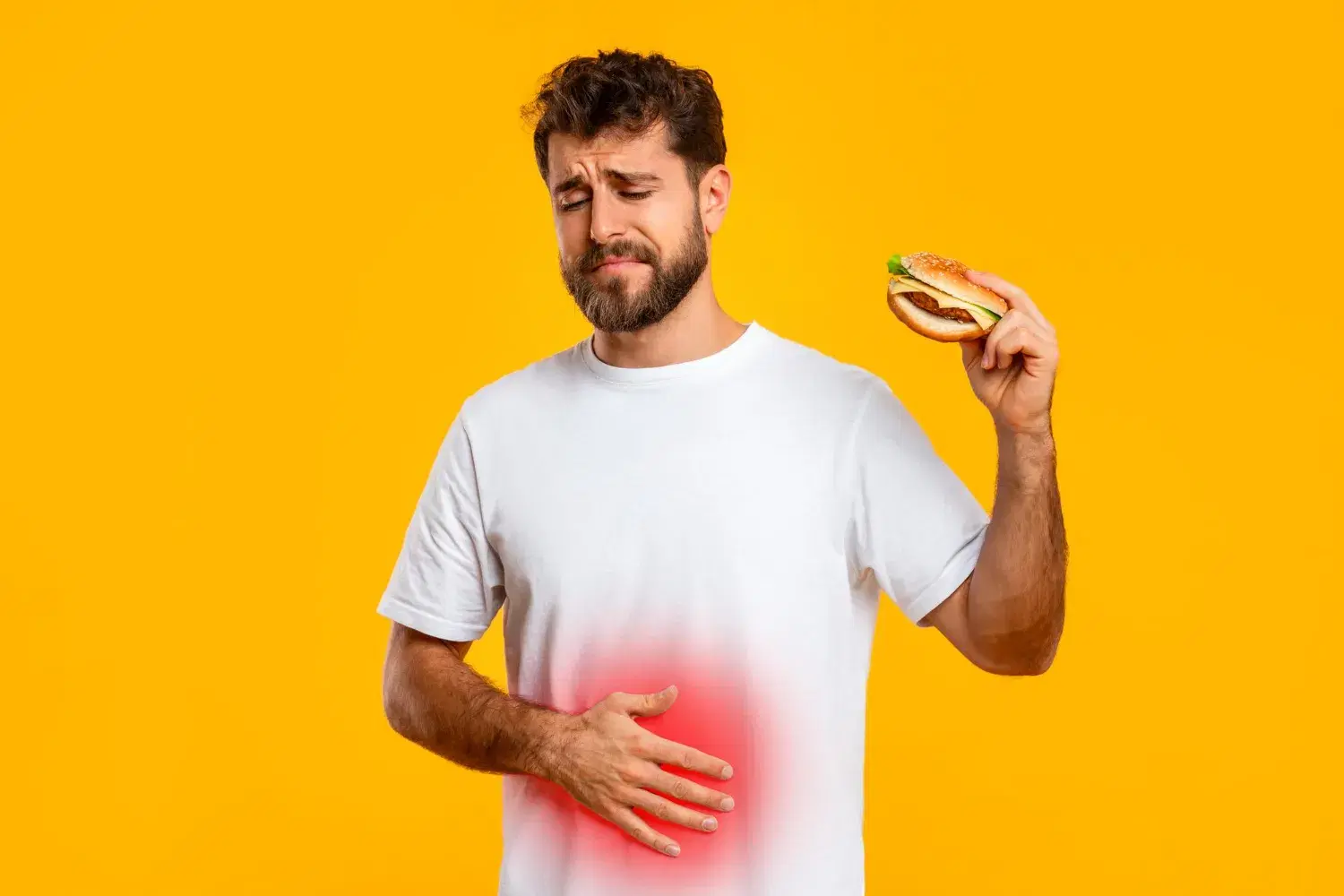
Imagine this: You’ve just finished a delicious, hearty Indian meal—perhaps a plate of buttery Paneer Butter Masala or a rich Chicken Biryani. But within thirty minutes, you’re not feeling the post-meal satisfaction you expected. Instead, there’s a familiar, frantic dash to the restroom. For many in India, this "urgent exit" is a daily reality, often brushed off as "just a sensitive stomach" or "classic IBS."
However, there is a frequently overlooked culprit behind chronic, watery diarrhea that affects millions but remains largely undiagnosed in the Indian subcontinent: Bile acid malabsorption.
In this comprehensive guide, we will dive deep into what this condition is, why it makes you feel so exhausted, and how you can finally get an accurate diagnosis and effective treatment.
1. What Is Bile Acid Malabsorption (BAM)?
Q: What is bile acid malabsorption and how does it affect digestion?
To understand bile acid malabsorption, we first need to look at how our body handles fats. Your liver produces bile acids, which are stored in the gallbladder. Think of bile acids as the "liquid detergent" of your digestive system. Just as you need soap to wash grease off a stainless steel kadhai, your body needs bile acids to break down the fats you eat so they can be absorbed into the bloodstream.
Normally, these bile acids travel from the liver to the small intestine, do their job of digesting fats, and are then reabsorbed in the very last part of the small intestine (the ileum). From there, they travel back to the liver to be reused. This is a highly efficient recycling system—about 95% of bile acids are recycled in a healthy body through a process called enterohepatic circulation.
What goes wrong in BAM?
In bile acid malabsorption, this recycling loop breaks down. Instead of being reabsorbed in the ileum, the bile acids continue their journey into the large intestine (the colon). Once they hit the colon, they act as a major irritant. They stimulate the colon to secrete water and salts, leading to the characteristic watery, urgent diarrhea associated with the condition. Essentially, the "detergent" is getting into the wrong pipe and causing a flood.
Why is BAM often underdiagnosed in India?
In India, digestive complaints are frequently generalized. Patients might spend years trying different probiotics or being told they simply have "IBS." Because the symptoms of BAM mimic other conditions like Crohn's Disease: Symptoms, Treatment & Management Strategies, many doctors don't specifically test for it. Furthermore, awareness about the condition among the general public and even some healthcare providers remains relatively low.
2. How Common Is Bile Acid Malabsorption and Who Is at Risk?
Q: How common is bile acid malabsorption in people with chronic diarrhea?
Recent clinical studies have shown that bile acid malabsorption is far more common than previously thought. Research suggests that approximately 25% to 33% of patients diagnosed with Irritable Bowel Syndrome with Diarrhea (IBS-D) actually have BAM as the primary cause of their symptoms. [Source: Reputable Medical Journal]
Who is at risk?
Several groups of people are particularly susceptible to developing this condition:
- Post-Gallbladder Removal (Cholecystectomy): This is an incredibly common surgery in India. Without a gallbladder to store and regulate bile release, bile drips constantly into the intestine, which can overwhelm the reabsorption capacity of the ileum.
- Crohn’s Disease Patients: Since Crohn’s often attacks the ileum (the site of bile absorption), BAM is a frequent complication for these individuals.
- Small Intestinal Bacterial Overgrowth (SIBO): Bacteria in the small intestine can "deconjugate" bile acids, making them harder to absorb and more irritating to the gut.
- Ileal Resection: Anyone who has had a portion of their small intestine removed due to injury or disease will naturally have less surface area for bile reabsorption.
3. What Are the Most Common Bile Acid Malabsorption Symptoms?
Q: What symptoms should make you suspect bile acid malabsorption?
If you are dealing with chronic digestive issues, identifying bile acid malabsorption symptoms is the first step toward recovery. The primary indicator is diarrhea, but it has specific characteristics that set it apart from a simple stomach bug.
Key bile acid malabsorption symptoms include:
- Chronic Watery Diarrhea: This is usually long-term (lasting more than 4 weeks) and often occurs shortly after a meal, especially one high in fat.
- Urgency and Frequency: The need to go is often sudden and intense. Many patients describe it as a "must go now" feeling that prevents them from traveling or eating out.
- Abdominal Cramping and Bloating: The irritation in the colon causes significant gas and discomfort, often feeling like a "burning" or "gnawing" pain.
- Nocturnal Diarrhea: Unlike typical IBS, which usually settles when you sleep, BAM can wake you up in the middle of the night with an urgent need to use the restroom.
- Greasy or Foul-Smelling Stools: Because fat isn't being digested properly (a condition called steatorrhea), the stool may look oily, pale, or be very difficult to flush.
Q: How are bile acid malabsorption symptoms different from IBS?
While both IBS-D and BAM involve urgency and frequent trips to the bathroom, there are key differences. IBS is often tied to stress or specific "trigger foods" that vary wildly between people. In contrast, bile acid malabsorption symptoms are strictly tied to the biological failure of bile recycling. A major "red flag" suggesting BAM over IBS is the consistency and color of the stool; if your diarrhea is consistently yellow, pale, or leaves an oily film in the toilet bowl, BAM is much more likely.
4. Can Bile Acid Malabsorption Cause Fatigue and Weakness?
Q: Why does bile acid malabsorption cause fatigue?
One of the most debilitating but least discussed aspects of this condition is bile acid malabsorption fatigue. It isn't just "feeling a bit tired"; it is a profound, systemic exhaustion that can make getting through a workday feel like climbing a mountain.
There are several biological reasons for this:
- Poor Fat Absorption and Calorie Loss: When you can’t absorb fats, you are essentially "flushing" high-energy nutrients down the toilet. Your body isn't getting the fuel it needs to maintain energy levels.
- Vitamin Deficiencies (A, D, E, K): Bile acids are essential for absorbing fat-soluble vitamins. Chronic bile acid malabsorption fatigue is often exacerbated by a severe lack of Vitamin D (which supports muscle and bone health) and Vitamin B12 (which is also absorbed in the ileum).
- Electrolyte Imbalance: Constant watery diarrhea strips the body of potassium, sodium, and magnesium, leading to muscle weakness and "brain fog."
Q: What type of fatigue is seen in bile acid malabsorption?
Patients often report a specific type of "post-meal crash." As the body attempts to digest a meal and the bile irritation begins, a wave of tiredness can hit. This reduced stamina and impact on daily productivity is a hallmark of the condition. Many Indian professionals between 25 and 55 find that their "stomach issues" are actually what is holding back their career performance due to this persistent bile acid malabsorption fatigue.
5. What Causes Excess Bile Acids in the Intestine?
📌 PROMINENT PATIENT Q&A
Q: What are the symptoms of excess bile production?
This is a common question from patients who feel like their body is "over-producing" bile. It is important to clarify: the problem is rarely that your liver is making too much bile. Instead, the problem is that the bile is not being recycled properly, leading to excess bile acids sitting in the colon where they don't belong.
Common symptoms of excess bile acid irritation include:
- Burning Diarrhea: Bile acids are acidic and can cause an intense burning sensation during and after bowel movements.
- Anal Irritation: The skin around the anus can become raw, itchy, and painful due to constant exposure to bile salts.
- Bright Yellow or Green Stools: This color indicates that bile has passed through your system so quickly it hasn't had time to turn brown (the color of normal, processed bile).
- Sudden Post-Meal Urgency: If you find yourself needing the toilet within 20–30 minutes of eating, it’s a sign that the "flush" of bile triggered by the meal is irritating your colon immediately.
Understanding these bile acid malabsorption symptoms helps clarify common patient confusion between "producing too much bile" and "failing to absorb it."
6. Types of Bile Acid Malabsorption: Are All BAM Cases the Same?
Q: What are the different types of bile acid malabsorption?
Medical science classifies this condition into three main categories:
- Type 1 (Secondary to Ileal Disease): This occurs when the ileum (the end of the small intestine) is physically damaged or removed. This is common in people with Crohn's disease or those who have had surgeries for intestinal obstructions.
- Type 2 (Primary or Idiopathic BAM): This is the most "mysterious" type. The intestine looks physically healthy, but for some reason, the transport proteins that reabsorb bile aren't working correctly. This is the type most frequently misdiagnosed as IBS-D.
- Type 3 (Secondary to Other GI Conditions): This is caused by other digestive issues such as SIBO, chronic pancreatitis, or even Celiac disease, which interfere with the overall digestive environment.
Which type of BAM is most common in India?
In the Indian context, we see a high prevalence of Type 2 and Type 3. Given the high rates of gastrointestinal infections in our region, many people develop "post-infectious BAM," where a severe bout of food poisoning permanently disrupts the delicate balance of bile recycling.
7. How Is BAM Diagnosed? Understanding BAM Diagnosis
Q: Why is bile acid malabsorption difficult to diagnose?
A BAM diagnosis is often elusive because the symptoms overlap so perfectly with other conditions. Furthermore, in India, there is a limited availability of the most specific tests. Many patients go through years of "trial and error" with probiotics, antibiotics, and fiber supplements before someone considers the role of bile.
Q: What tests are used for BAM diagnosis?
When you visit a specialized center like Bangalore Gastro Centre, doctors may use a combination of these methods:
- Blood Markers (C4 and FGF19): These tests look for specific chemicals in your blood that indicate how hard your liver is working to make new bile. If your liver is in "overdrive," it’s a sign you are losing bile through malabsorption.
- Stool Bile Acid Tests: Measuring the amount of bile in a 48-hour or 72-hour stool collection. While accurate, this is often cumbersome and unpleasant for the patient.
- Empirical Trial of Binders: This is perhaps the most common way a BAM diagnosis is reached in India. A doctor prescribes a "bile acid sequestrant" medication. If the patient’s symptoms improve significantly within a few days, it confirms that bile was indeed the problem.
8. What Is the SeHCAT Test and Is It Available in India?
Q: What is the SeHCAT test?
The SeHCAT test is considered the "gold standard" for identifying this condition in Europe and the UK. It involves swallowing a capsule containing a small, safe amount of a synthetic bile acid (linked to a radioactive tracer). A scan is done on day 1 and again on day 7. If the tracer has mostly disappeared, it proves the body is failing to retain bile.
Q: Is the SeHCAT test available in India?
This is a point of frustration for many. Currently, the SeHCAT test India availability is extremely limited. Only a handful of high-end nuclear medicine departments in major Tier-1 cities offer it.
Because of the scarcity of the SeHCAT test India, most Indian gastroenterologists rely on clinical history, blood tests, and the "empirical trial" method. If you are struggling with chronic diarrhea, you don't necessarily need the SeHCAT to start treatment; a skilled specialist at a facility like Bangalore Gastro Centre can often diagnose you based on your response to specific medications.
9. Is Bile Acid Malabsorption Linked to SIBO?
Q: Can SIBO cause or worsen bile acid malabsorption?
There is a very strong link between Small Intestinal Bacterial Overgrowth (SIBO) and BAM. In SIBO, the "bad" bacteria in the small intestine can "deconjugate" (break down) your bile acids prematurely. This makes the bile acids useless for digesting fats and turns them into irritants that cause inflammation in the ileum. This inflammation then leads to even worse malabsorption, creating a vicious cycle of bloating, gas, and diarrhea.
10. How Long Does Rifaximin Take to Work for SIBO?
📌 PROMINENT PATIENT Q&A
Q: How long does rifaximin take to work for SIBO?
Rifaximin is the primary antibiotic used to treat SIBO. Since SIBO and BAM often go hand-in-hand, many patients are prescribed this first.
- Timeline: Most patients see an improvement in bloating and gas within 7 to 14 days of starting the course.
- The BAM Catch: If you have both SIBO and BAM, Rifaximin will kill the bacteria and reduce the bloating, but it will not stop the diarrhea if the underlying bile malabsorption isn't also addressed.
- Diagnosis Hint: If you finish your Rifaximin and your stomach feels "less full" but you are still running to the bathroom after every meal, it is a strong indicator that you need a BAM diagnosis and specialized bile acid malabsorption treatment.
11. What Are the Best Treatment Options for Bile Acid Malabsorption?
Q: How is bile acid malabsorption treated?
The primary goal of bile acid malabsorption treatment is to "soak up" the excess bile before it can irritate the colon. We also focus on restoring the nutritional balance that was lost during the months or years of diarrhea.
Q: What medications are used for bile acid malabsorption treatment?
The most effective medications are called Bile Acid Sequestrants (or Binders). These act like a chemical sponge.
- Cholestyramine: This is the most common medication in India. It usually comes in a powder form that you mix with water or juice.
- Relatable Tip: Some patients find the texture a bit "gritty"—like drinking orange-flavored sand. However, the relief from urgent diarrhea is usually so dramatic that most people are happy to tolerate the texture!
- Colesevelam: This is a newer generation binder that comes in tablet form. It is often preferred by busy professionals because it is easier to take on the go and generally has fewer side effects like bloating.
- Nutritional Support: Because of the chronic bile acid malabsorption fatigue, your doctor will likely prescribe high-dose Vitamin D, B12, and potentially a specialized low-fat multivitamin.
How long is treatment needed? For some, it is a life-long management strategy; for others (like those with post-infectious BAM), the gut may eventually heal, allowing them to taper off the medication.
12. Can Diet Help Manage Bile Acid Malabsorption Symptoms?
Diet is the "silent partner" in your recovery. While the medication does the heavy lifting, your diet determines how much work the medication has to do.
Q: What foods worsen bile acid malabsorption symptoms?
- Fried Foods: Samosas, Vadas, and Puris are major triggers. The more fat you eat, the more bile your liver releases, and the more irritation your colon feels.
- Heavy Dairy: High-fat milk and creamy gravies.
- Processed Snacks: Anything with high amounts of vegetable oils.
Q: What foods support better small intestine health?
- Soluble Fiber: Foods like oats and certain fruits can help thicken the stool.
- Lean Proteins: Boiled chicken, lentils (dal), and egg whites.
🎥 Recommended Educational Resource
For a detailed guide on what to eat, watch this video from the experts:
Eat These Fantastic Foods for a Healthy Small Intestine!
This resource is incredibly helpful for understanding how to support your gut health during and after bile acid malabsorption treatment.
13. Can Bile Acid Malabsorption Be Cured Permanently?
Q: Is bile acid malabsorption curable?
The answer depends on the "Why."
- Reversible Causes: If your BAM was caused by SIBO or a temporary infection, treating those root causes can lead to a permanent "cure" where your body resumes normal bile recycling.
- Chronic Causes: If you have had surgery or have Type 2 (Primary) BAM, it is generally considered a chronic condition.
However, don't let the word "chronic" scare you. With modern bile acid malabsorption treatment, you can be 100% symptom-free. You aren't "sick"; you just have a digestive system that needs a little bit of help from a daily "sponge" (the binder) to function normally.
14. What Happens If Bile Acid Malabsorption Is Left Untreated?
Ignoring the symptoms isn't just an inconvenience; it can lead to long-term health risks.
- Nutritional Deficiencies: Prolonged malabsorption of Vitamin D can lead to early-onset osteoporosis or bone thinning—a significant concern for the 25–55 age group.
- Chronic Bile Acid Malabsorption Fatigue: The mental health toll of constant exhaustion can lead to depression and social isolation.
- Poor Quality of Life: The "toilet mapping" (knowing where every bathroom is before you leave the house) creates a state of constant anxiety.
- Kidney Stones: Interestingly, malabsorbed fats bind to calcium in the gut, leaving oxalate free to be absorbed and filtered by the kidneys, which can cause painful stones. [Source: National Health Portal]
15. When Should You See a Gastroenterologist for Chronic Diarrhea?
Q: When should BAM be suspected clinically?
You should seek a specialized gastro evaluation if:
- Your diarrhea has lasted more than 4 weeks.
- Your stools are yellow, greasy, or float.
- You have had your gallbladder removed.
- You are experiencing unexplained bile acid malabsorption fatigue along with gut issues.
- You have been diagnosed with IBS-D but "nothing is working."
At specialized centers like Bangalore Gastro Centre, the focus is on looking beyond the "IBS" label. By using advanced BAM diagnosis techniques and empirical trials, specialists can often give you an answer in a matter of days.
16. Key Takeaways: Living Well With Bile Acid Malabsorption
- Bile acid malabsorption is a common, biological issue, not a "weak stomach" or a psychological problem.
- The bile acid malabsorption symptoms of urgency and watery stools are your body's way of telling you the "detergent" is in the wrong place.
- Even without the SeHCAT test India, an accurate diagnosis is possible through clinical expertise and medication trials.
- Effective bile acid malabsorption treatment can stop diarrhea and restore your energy levels almost immediately.
- Early recognition matters—don't wait for your bones or your energy to suffer before seeking help.
Your digestive health is the foundation of your overall well-being. If your life is currently revolving around the nearest restroom, it’s time to ask your doctor: "Could this be Bile Acid Malabsorption?"