


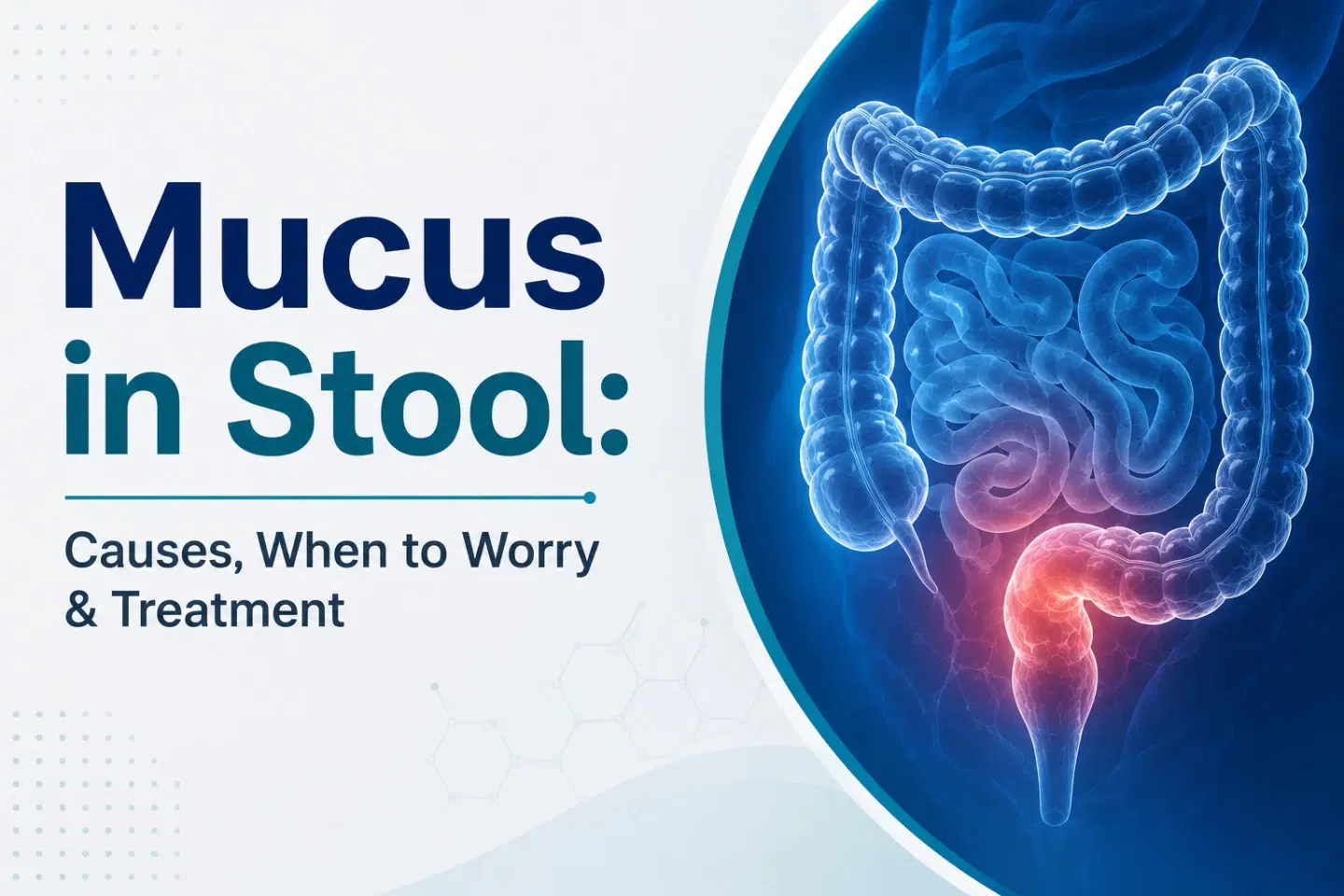
Mucus in Stool: Causes, When to Worry & Treatment
Finding something unusual in your toilet bowl is rarely a pleasant experience. For most people, bathroom habits are a strictly private matter. We rarely discuss them, even with our closest family members. Yet, changes in your bowel movements are often the first visible signs that your internal ecosystem is experiencing distress. One of the most common, yet alarming, discoveries is a jelly-like, slippery substance surrounding or mixed with your bowel movement.
You might immediately wonder if you have a severe infection. You might jump onto search engines, spiraling into health anxiety. Stop for a moment. Take a deep breath.
Seeing mucus in stool happens more frequently than you might think. Sometimes it means nothing. Other times, it acts as a warning sign from a highly complex gastrointestinal system that something requires professional medical attention.
In this comprehensive guide, we will examine the biology of your digestive tract, look at the common and uncommon triggers for this symptom, and break down exactly when you should stop worrying and start seeking expert medical care.
The Biology of Digestion: A Necessary Lubricant
Before panicking about visual changes in the bathroom, we must understand how the human body operates under normal conditions. The gastrointestinal tract is a heavily fortified, highly active biological tube. It processes everything you consume, extracting nutrients while simultaneously defending your bloodstream from harmful bacteria, viruses, and toxins.
To achieve this, the intestines rely on a mucosal lining. This lining produces a clear, jelly-like substance.
Think of this substance as the oil in a car engine. It provides essential lubrication. Without it, the passage of waste through the colon would be incredibly abrasive and painful. Furthermore, this layer acts as a vital protective barrier. It prevents digestive acids and harmful pathogens from eating away at the sensitive cellular walls of your intestines.
Therefore, if you find yourself asking the question, is mucus in stool normal, the medical answer is an absolute yes. A healthy body produces it continuously. Usually, it is clear and produced in such small microscopic quantities that you never even notice it.
The problem only arises when the production goes into overdrive. When you can clearly see thick, stringy, or colored jelly-like substances in the toilet bowl, your body is signaling that the protective barrier is either inflamed, irritated, or actively fighting an invader.
Visual Indicators: Decoding the Colors and Textures
Not all bathroom anomalies are created equal. The color, volume, and consistency of the secretion can provide doctors with significant clues regarding your underlying health status.
Clear or White Secretions
If you spot small amounts of clear or white jelly, it might simply be a mild reaction to something you ate. Perhaps you consumed an unusually spicy meal, or your body is processing a mild dairy intolerance. A sudden change in dietary fiber can also trigger a temporary increase in production. If it happens once and disappears, it rarely warrants medical anxiety.
The Warning Sign of Color
Things become more concerning when the color shifts. Spotting yellow mucus in stool often indicates an active inflammatory response or infection. Yellowing occurs due to the presence of white blood cells—the body's primary defense mechanism. When white blood cells rush to the colon to fight off an infection or heal an inflamed area, they die off and are expelled as pus. This pus mixes with the natural lubrication, creating a thick, yellow discharge.
If you notice yellow mucus in stool, especially if it is accompanied by a foul odor, abdominal cramping, or fever, it strongly suggests that your gastrointestinal lining is actively battling an issue. You should not ignore this.
Similarly, if the discharge is tinged with red blood or looks black and tarry, this is an immediate red flag requiring urgent medical evaluation, as it points to bleeding somewhere within the digestive tract.
Primary Triggers: What Drives Excess Production?
When patients visit clinics with this specific complaint, gastroenterologists act as detectives. They must differentiate between temporary lifestyle factors, acute infections, and chronic inflammatory conditions. Let us examine the major categories that answer the question: what causes mucus in stool?
1. Dietary Sensitivities and the Indian Lifestyle
The modern Indian diet is a complex mix. We consume traditional, spice-heavy, fiber-rich meals alongside an increasing amount of heavily processed, westernized fast food. This rapid dietary shift heavily impacts gut flora.
Food intolerances are a massive driver of gut irritation. Lactose intolerance, for example, is highly prevalent among Indian adults. When the body cannot break down lactose, the undigested sugars ferment in the colon. This fermentation process produces gas, draws excess water into the bowel, and deeply irritates the intestinal lining, triggering a defensive overproduction of lubrication.
Similarly, gluten sensitivity or celiac disease causes the immune system to actively attack the small intestine upon exposure to wheat, barley, or rye. This autoimmune reaction damages the gut lining, resulting in malabsorption, severe cramping, and altered bowel habits.
2. Acute Gastrointestinal Infections
India's tropical climate, combined with varying standards of food hygiene in street food culture, makes gastrointestinal infections incredibly common.
- Bacterial Infections: Pathogens like Salmonella, Shigella, and Campylobacter cause severe food poisoning. These bacteria aggressively attack the intestinal walls, causing massive inflammation, diarrhea, and significant defensive discharges.
- Parasitic Infections: Amoebiasis, caused by the parasite Entamoeba histolytica, is widely prevalent. This parasite literally burrows into the intestinal wall, causing ulcers. The body responds by flooding the area with white blood cells and protective jelly, leading to frequent, painful, and messy bowel movements.
3. Irritable Bowel Syndrome (IBS)
Irritable Bowel Syndrome is a functional gastrointestinal disorder. This means that while the digestive tract looks completely normal under a microscope or during a colonoscopy, it simply does not function correctly. The brain-gut connection misfires.
The relationship between mucus and IBS is deeply documented in medical literature. People with diarrhea-predominant IBS (IBS-D) or mixed IBS (IBS-M) frequently report seeing clear or white jelly-like substances. Because the colon is hyper-reactive—spasming inappropriately in response to normal stimuli like stress or certain foods—it overproduces lubrication to help move waste through the agitated system.
It is vital to note that while the connection between mucus and IBS is strong, IBS does not cause intestinal bleeding or severe weight loss. If those symptoms accompany your bathroom changes, a functional disorder is unlikely to be the sole culprit.
4. Inflammatory Bowel Disease (IBD)
Unlike IBS, Inflammatory Bowel Disease involves physical, structural damage to the digestive tract. IBD primarily encompasses two severe conditions:
- Crohn’s Disease: This condition can cause deep, "skip" lesions of inflammation anywhere from the mouth to the anus.
- Ulcerative Colitis: This disease causes continuous, shallow ulcers specifically concentrated in the colon and rectum.
In IBD, the immune system mistakenly identifies the harmless bacteria in the gut or the gut tissue itself as a threat. It launches a massive, relentless attack. The intestinal walls become ulcerated, bleeding, and raw. To protect these raw open sores, the body produces vast amounts of thick discharge. Patients with active IBD flare-ups will almost always notice visual changes in the toilet, usually accompanied by blood, severe pain, and profound fatigue.
If you are experiencing ongoing abdominal discomfort that you cannot easily explain, you might be dealing with an underlying chronic condition. For a deeper understanding of these symptoms, we strongly recommend reading this detailed guide: Repeated Stomach Pain: Hidden Causes You Shouldn’t Ignore.
Dietary Impacts on the Microbiome
Healing the gut lining and reducing abnormal secretions requires a multi-pronged approach, starting heavily with what you put on your plate.
The traditional Indian diet has incredible potential for gut healing, provided we make the right choices. Fermented foods like idli, dosa, and homemade curd are rich in natural probiotics. These beneficial bacteria help crowd out harmful pathogens and restore the protective mucosal barrier. Fiber-rich vegetables like okra (bhindi), gourd vegetables (lauki), and lentils act as prebiotics—they serve as the fundamental food source for your good bacteria.
Conversely, diets high in ultra-processed snacks, refined sugars, and excessive artificial preservatives destroy the delicate microbiome balance. They promote the growth of inflammatory bacteria that strip away the protective lining, leading to the exact symptoms we have been discussing.
To learn exactly what to incorporate into your meals to heal your digestive tract, click here: Eat These Fantastic Foods for a Healthy Small Intestine!
The Diagnostic Pathway: From Symptom to Solution
If you are continuously asking yourself what causes mucus in stool because you see it week after week, it is time to transition from internet research to professional medical diagnosis.
Self-diagnosing gastrointestinal issues is dangerous. The symptoms of a mild food intolerance and early-stage colon cancer can occasionally look identical to an untrained eye.
When you visit a specialized facility like Bangalore Gastro Centre, the diagnostic process is methodical, patient-centric, and driven by advanced technology.
1. The Clinical Evaluation
Your doctor will take a detailed medical history. They will ask about your travel history, recent antibiotic use, family history of bowel disease, and stress levels. They will want to know exactly what the discharge looks like, how often it occurs, and if you have other "alarm symptoms" like unexplained weight loss or night sweats.
2. Non-Invasive Stool Testing
Before doing anything invasive, doctors will usually request a stool sample.
- Stool Culture: This checks for active bacterial or parasitic infections like Salmonella or Amoebiasis.
- Fecal Calprotectin Test: This is a revolutionary, highly sensitive test. Calprotectin is a protein found inside white blood cells. If your gut is inflamed, white blood cells migrate there and release this protein. A high fecal calprotectin level strongly suggests Inflammatory Bowel Disease, while a low level points toward a functional issue like IBS. [Source: Reputable Medical Journal]
3. Blood Panels
Blood tests help identify systemic inflammation through markers like C-Reactive Protein (CRP) and Erythrocyte Sedimentation Rate (ESR). They also check for anemia, which can occur if you have hidden bleeding in the digestive tract.
4. Endoscopy and Colonoscopy
If the non-invasive tests suggest structural damage or chronic inflammation, a colonoscopy is the gold standard for diagnosis. Using a thin, flexible tube equipped with a high-definition camera, a gastroenterologist at Bangalore Gastro Centre can visually inspect the entire length of your colon. They can look for ulcers, polyps, or areas of active bleeding. More importantly, they can take tiny, painless tissue biopsies. Examining these biopsies under a microscope provides a definitive, unarguable diagnosis, allowing for highly targeted treatment plans.
Patient Questions: Deep Dive into Gut Health and Autoimmunity
Understanding your body empowers you to make better healthcare decisions. Below, we address some of the most complex, frequently asked questions regarding gastrointestinal health, the immune system, and when to seek expert help.
Why do some people develop autoimmune digestive diseases while others don't?
The exact trigger for autoimmune conditions like Crohn's Disease or Ulcerative Colitis remains a subject of intense medical research, but the current consensus points to a "perfect storm" of three factors.
First, there is a genetic predisposition. If you have a family member with an autoimmune condition, your risk is statistically higher. Second, there is an environmental trigger. This could be a severe bout of food poisoning, a heavy course of antibiotics that wiped out your normal gut flora, or chronic, severe psychological stress. Third, there is an abnormal immune response. Instead of resetting after the environmental trigger passes, the immune system remains permanently "switched on," continually attacking the healthy mucosal lining.
Can chronic stress alone cause visible changes in my bathroom habits?
Absolutely. The brain and the gut are physically connected by the vagus nerve, a massive superhighway of neurological communication. When you experience chronic stress—whether from work pressure, financial anxiety, or personal trauma—your brain constantly floods your body with cortisol and adrenaline.
These stress hormones directly alter gut motility. They can cause the colon to spasm aggressively, leading to the rapid transit of waste (diarrhea). Furthermore, chronic stress actually alters the composition of your gut microbiome, killing off beneficial bacteria and promoting inflammatory strains. For patients dealing with the connection between mucus and IBS, stress management is not just a suggestion; it is a fundamental pillar of medical treatment.
At what point is an occasional symptom considered a chronic medical issue requiring a specialist?
As a general medical rule, any sudden change in your bowel habits that persists consistently for more than two to three weeks requires professional evaluation.
However, you should not wait three weeks if you experience any "red flag" symptoms. If the discharge is accompanied by visible red blood, black tarry stools, a high fever, severe abdominal pain that wakes you up at night, unintentional weight loss, or extreme fatigue, you must seek immediate care. Do not rely on home remedies or dietary tweaks when these danger signs are present. Facilities like Bangalore Gastro Centre are equipped to rapidly identify and manage these acute scenarios before they result in permanent tissue damage.
If my symptoms are just functional (like IBS), can a doctor actually help me?
Many patients delay seeking care because they believe a functional disorder like IBS is "all in their head" or untreatable. This is entirely false. While IBS cannot be "cured" in the traditional sense, it can be highly effectively managed.
Gastroenterologists use a variety of scientifically backed methods to treat IBS. This includes specific dietary protocols like the Low FODMAP diet, which systematically eliminates and reintroduces fermentable carbohydrates to identify your unique triggers. They may prescribe gut-directed antispasmodic medications to calm the hyperactive colon muscles. In some cases, low-dose neuromodulators are used to calm the misfiring nerves between the brain and the gut. Expert medical care transforms unpredictable, painful digestion into a manageable, minor background detail of your life.
Conclusion: Taking Control of Your Digestive Health
The human digestive system is incredibly resilient, but it is not invincible. It requires balance, proper nutrition, and occasionally, expert medical intervention.
To summarize: is mucus in stool normal? Yes, in microscopic, invisible amounts. But when you repeatedly see thick, jelly-like substances—especially if you are noticing yellow mucus in stool—your body is raising a clear red flag. It is communicating that the protective barrier is under siege from dietary intolerances, aggressive infections, functional spasms, or chronic autoimmune inflammation.
Do not let embarrassment or fear delay your journey to wellness. Ignoring chronic digestive symptoms often leads to compounding health issues, from systemic joint pain to severe nutritional deficiencies. By understanding the biology of your body and recognizing the warning signs, you empower yourself to take action.
If you are experiencing ongoing discomfort, abnormal bowel movements, or unexplained digestive pain, do not navigate it alone. Reach out to the specialists at Bangalore Gastro Centre today. Through advanced diagnostics, compassionate care, and evidence-based treatments, you can restore your gut health and reclaim your quality of life.