
Is Fatty Liver Reversible? Complete Recovery Guide
It usually happens during a routine health checkup. You look at your ultrasound report, and there it is, printed plainly on the page: "Grade 1 Fatty Liver" or "Hepatic Steatosis."
Panic often sets in immediately. The liver is one of the body’s most vital organs, performing over 500 distinct functions ranging from filtering blood to metabolizing medications. Naturally, the immediate question that springs to mind is: is fatty liver reversible?
In India, this diagnosis has become a silent epidemic. Driven by rapid urbanization, shifting dietary habits, and increasingly sedentary lifestyles, nearly one in three Indian adults now faces some form of Non-Alcoholic Fatty Liver Disease (NAFLD), recently updated in medical literature to Metabolic Dysfunction-Associated Steatotic Liver Disease (MASLD). People from all walks of life, often those who do not consume a drop of alcohol, are finding themselves confronting a liver condition.
If you are looking for answers on how to reverse fatty liver, you are in the right place. The short answer is a resounding yes. The human liver possesses a remarkable, almost almost magical capacity to regenerate itself. However, reversing the damage requires a deep understanding of metabolic health, the gut microbiome, and the progressive nature of liver disease.
In this comprehensive guide, we will break down the science of liver fat accumulation, examine the distinct fatty liver stages, and explore evidence-based protocols for NAFLD reversal.
Understanding the Disease: Why Does Fat Accumulate?
Before exploring whether or not you can reverse the condition, we must look at how it starts. The liver naturally contains a small amount of fat. However, when fat makes up more than 5% to 10% of your liver's weight, you are diagnosed with fatty liver disease.
This accumulation is rarely an isolated incident. It is a systemic metabolic issue. When we consume excess calories—particularly in the form of refined carbohydrates and fructose, which are heavily prevalent in modern diets—the body converts this excess energy into triglycerides. These triglycerides are then stored in fat cells. When those fat cells become full or dysfunctional due to insulin resistance, the body begins depositing fat in ectopic places. The liver becomes the primary dumping ground.
In the Indian context, our traditional diets have slowly morphed. A plate that once contained a balanced mix of complex millets, fibrous vegetables, and moderate proteins has heavily shifted toward refined white rice, processed wheat, and excess seed oils. This high glycemic load spikes insulin. Chronically high insulin levels push the liver to manufacture more fat than it can export, leading to a bottleneck of triglycerides.
Understanding this mechanism is essential because it reveals the path to healing. If hyperinsulinemia and excess energy intake drive fat into the liver, reversing those specific triggers will pull the fat out.
Breaking Down the 4 Fatty Liver Stages
Liver disease does not happen overnight. It is a slow, progressive condition that develops over years, sometimes decades. To determine if and how you can heal, you need to understand exactly where you stand on the spectrum. Medical professionals classify the progression into four primary fatty liver stages.
Stage 1: Simple Steatosis (Fatty Liver)
This is the initial stage. Excess fat builds up in the liver cells (hepatocytes), but there is no accompanying inflammation or cellular damage. Most people in this stage experience absolutely no symptoms. It is usually discovered incidentally during an ultrasound or elevated liver enzymes (ALT/AST) on a routine blood test. At specialized clinics like Bangalore Gastro Centre, advanced imaging techniques such as FibroScan are often used to precisely measure the volume of fat without needing a biopsy. At this stage, the condition is highly manageable.
Stage 2: Non-Alcoholic Steatohepatitis (NASH)
If the fat accumulation is left unmanaged, the liver eventually reaches a breaking point. The fat cells become toxic (lipotoxicity), triggering a severe immune response. Your body attempts to clear the excess fat, leading to inflammation. This stage is known as NASH (Non-Alcoholic Steatohepatitis). You might begin to feel mild symptoms like fatigue or an ache in the upper right abdomen. Inflammation means liver cells are dying.
Stage 3: Fibrosis
As liver cells die from the inflammation in stage 2, the liver tries to repair itself. Just like a deep cut on your skin leaves a scar, the liver forms scar tissue. This process is called fibrosis. The liver can still function relatively well during early fibrosis, but the scar tissue begins to replace healthy liver tissue, stiffening the organ and impeding blood flow.
Stage 4: Cirrhosis
This is the most severe and advanced stage. The liver is heavily scarred, shrunken, and nodular. The damage is extensive and permanent. Cirrhosis leads to severe complications, including liver failure, fluid accumulation in the abdomen (ascites), confusion (hepatic encephalopathy), and a significantly increased risk of liver cancer.
The Ultimate Question: Is Fatty Liver Reversible?
We return to the primary concern of every newly diagnosed patient: is fatty liver reversible?
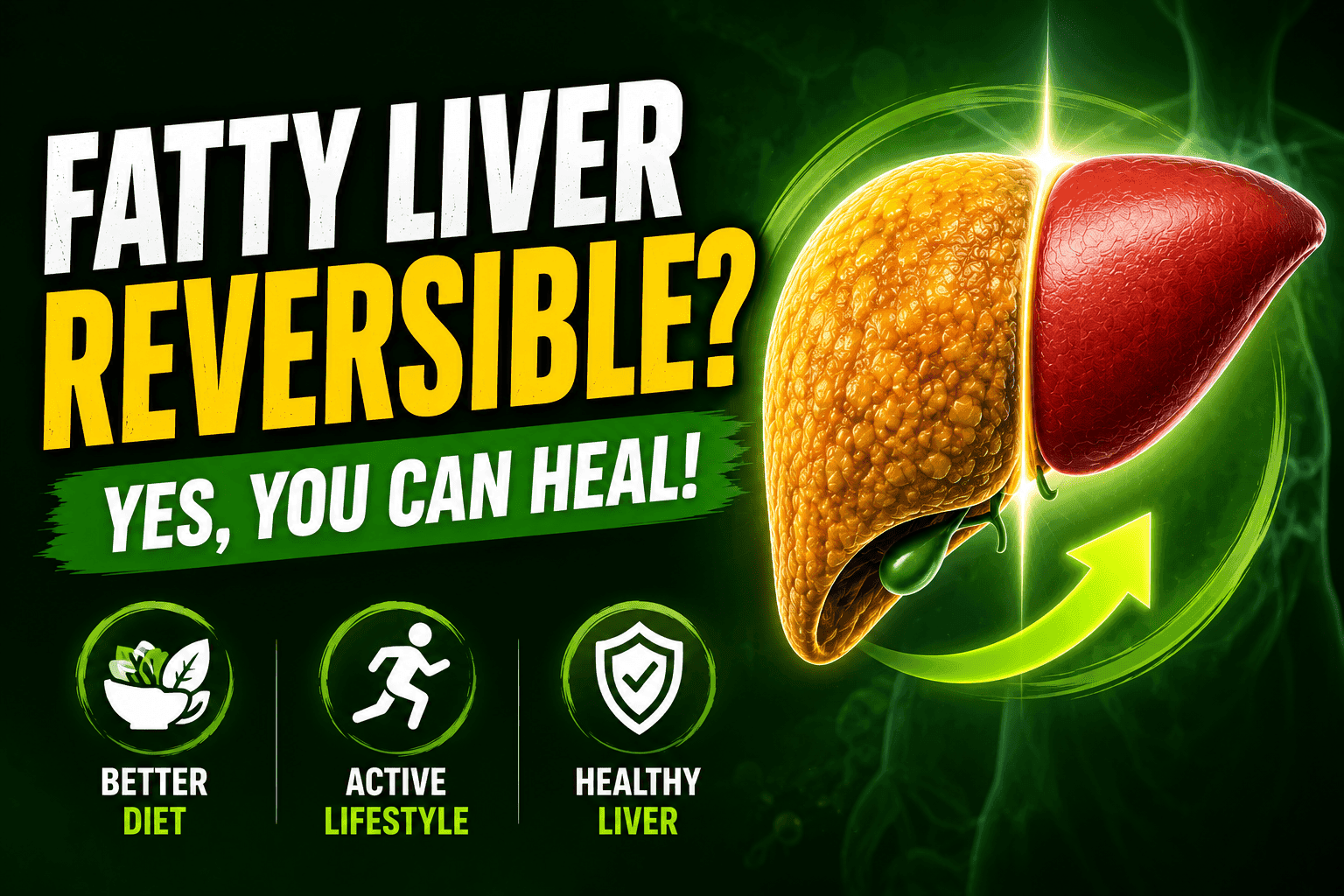
The medical consensus is clear. If you are in Stage 1 (Simple Steatosis) or Stage 2 (NASH), the disease is highly reversible. Even early Stage 3 (Fibrosis) shows significant potential for reversal. The liver is the only solid internal organ capable of full regeneration. You can lose up to 70% of your liver mass, and it will grow back to its full size under the right conditions.
However, once the disease progresses to Stage 4 (Cirrhosis), the structural damage to the liver architecture is considered irreversible. Management at this stage focuses entirely on halting further progression and managing symptoms.
Can Fatty Liver Be Cured Completely?
Patients frequently ask, "can fatty liver be cured completely?" Yes, complete remission is possible.
High-quality, randomized controlled trials (RCTs) provide robust, Sort A evidence for this. Studies show that a body weight reduction of just 7% to 10% is enough to completely resolve NASH and significantly reduce liver fibrosis in the vast majority of patients. When the body enters a caloric deficit, it looks for stored energy. Because the liver is a highly metabolically active organ, the body actively pulls stored triglycerides out of the liver to burn for fuel.
Complete cure, however, implies a permanent change in lifestyle. If you shed the liver fat but return to the dietary and lifestyle habits that caused the condition, the fat will rapidly return. NAFLD reversal is an active, ongoing commitment to metabolic health.
The Hidden Connection: The Gut-Liver Axis and Autoimmunity
To truly master how to reverse fatty liver, we must look beyond the liver itself. Modern gastroenterology has uncovered a profound connection between your digestive tract, your immune system, and your liver. This is known as the Gut-Liver Axis.
The Portal Vein Highway
Your liver and your gut are anatomically joined. Nearly 70% of the liver's blood supply comes directly from the intestines via the portal vein. Everything your gut absorbs—nutrients, vitamins, but also toxins, bacteria, and inflammatory markers—goes straight to the liver first. The liver acts as the primary security checkpoint for the entire body.
Microbiome Dysbiosis and Leaky Gut
The human gut houses trillions of bacteria, collectively known as the microbiome. In a healthy state, these bacteria help digest food, produce essential vitamins, and maintain the integrity of the intestinal wall.
However, a poor diet low in dietary fiber and high in ultra-processed foods causes an imbalance. Harmful bacteria multiply, while beneficial bacteria starve. This condition, called dysbiosis, damages the intestinal lining. The tight junctions holding your intestinal cells together begin to loosen, a phenomenon commonly called "leaky gut" (intestinal permeability).
When the gut is leaky, fragments of bacterial cell walls—specifically lipopolysaccharides (LPS), also known as endotoxins—slip into the bloodstream. They travel straight up the portal vein into the liver.
The Immune Reaction: The Traffic Analogy
When these endotoxins hit the liver, they trigger specialized immune cells called Kupffer cells.
To understand this immune response, imagine the chaotic traffic at a major Indian intersection during a signal failure. In a normal, healthy system, traffic (nutrients and harmless molecules) flows smoothly. The traffic police (the immune system) only pull over actual offenders (viruses or major pathogens).
But when a leaky gut dumps thousands of endotoxins into the liver, it is like sudden, massive gridlock. The traffic police panic. They start waving batons wildly, pulling over innocent drivers, and shutting down roads. The immune system becomes hyperactive and confused. In this state of chronic, low-grade inflammation, the immune system can sometimes begin attacking the body's own healthy tissue.
This hyper-reactive state closely links metabolic liver disease to systemic inflammation and even autoimmune triggers. While NAFLD is driven by metabolism, Autoimmune Hepatitis is a condition where the body’s immune system attacks the liver directly. A severely compromised gut barrier exacerbates both conditions, increasing systemic inflammation that affects everything from liver lobules to joint health.
Healing the gut, therefore, is an absolute prerequisite for complete NAFLD reversal.
Actionable Steps: How to Reverse Fatty Liver
Achieving a complete cure requires a multi-pronged approach based on hard medical evidence. Here is the definitive protocol for NAFLD reversal.
1. Nutritional Reprogramming
Diet is the most powerful tool for liver regeneration. You do not necessarily need a highly restrictive fad diet, but you do need a massive reduction in hepatotoxic (liver-damaging) foods.
- Eliminate Liquid Sugar and Fructose: Fructose, unlike glucose, is metabolized almost exclusively in the liver. High-fructose corn syrup and sugary beverages flood the liver, forcing it into fat production (de novo lipogenesis). Cut out sodas, packaged fruit juices, and sweetened teas entirely.
- Modify the Indian Carbohydrate Load: A typical Indian diet heavily features simple carbohydrates. White rice, maida (refined wheat), and sugary sweets spike insulin. Transition to complex, high-fiber alternatives. Use unpolished millets (like jowar, bajra, and ragi), quinoa, and whole legumes.
- The Rice vs. Roti Debate: Many patients wonder which staple is better for their metabolic health. The answer depends heavily on preparation and portion size. For a detailed breakdown on this exact topic, watch this video: Rice Vs Chapati | Which Is Best for Digestion? The Truth Explained | Bangalore Gastro Centre.
- Increase Omega-3s and Monounsaturated Fats: Replace refined seed oils (like sunflower or soybean oil) with high-quality fats. Extra virgin olive oil, avocados, walnuts, and fatty fish provide powerful anti-inflammatory properties that help cool the inflamed liver.
- Intermittent Fasting: Sort A evidence suggests that compressing your eating window (e.g., eating within an 8-to-10-hour window) lowers fasting insulin levels, allowing the liver time to burn stored fat rather than constantly processing incoming food.
2. Targeted Physical Activity
Exercise does not just burn calories; it fundamentally changes how your body handles energy.
- Resistance Training: Building skeletal muscle is vital. Muscle tissue acts as a sink for glucose. The more muscle you have, the more efficiently your body clears sugar from the blood without relying on high insulin levels. Aim for weight lifting or bodyweight exercises 3 to 4 times a week.
- Aerobic Exercise (Zone 2 Cardio): Moderate-intensity cardiovascular exercise (like brisk walking, cycling, or swimming) activates an enzyme called AMPK (AMP-activated protein kinase). AMPK acts as a metabolic master switch, turning off fat storage in the liver and turning on fat burning.
3. Gut Microbiome Restoration
Since we know the gut-liver axis dictates inflammation, healing the gut barrier accelerates liver recovery.
- Soluble Fiber: Consume plenty of soluble fiber from sources like flaxseeds, chia seeds, oats, and okra. Beneficial gut bacteria ferment this fiber to produce short-chain fatty acids (SCFAs), specifically butyrate. Butyrate heals the leaky gut barrier and travels to the liver to lower inflammation.
- Polyphenols: Darkly colored vegetables, berries, and green tea are rich in polyphenols. These act as prebiotics, feeding the good bacteria and starving the endotoxin-producing bad bacteria.
4. Sleep and Stress Management
Sleep is highly underrated in liver recovery. Chronic sleep deprivation elevates cortisol (the stress hormone), which in turn raises blood sugar and insulin, promoting fat storage.
Furthermore, sleep conditions like Obstructive Sleep Apnea (OSA) are incredibly common in patients with fatty liver. OSA causes intermittent drops in oxygen during the night (hypoxia), which directly damages liver cells and accelerates the progression from simple steatosis to NASH. If you snore heavily or wake up unrefreshed, your liver might be suffering at night.
Addressing respiratory health is a vital component of metabolic recovery. For a deeper understanding of respiratory issues that could be affecting your sleep and overall health, read our guide: When to See a Pulmonologist: Respiratory Health Guide.
Patient Q&A: Autoimmunity, Gut Health, and Liver Recovery
When patients visit specialized clinics like Bangalore Gastro Centre, they come armed with questions. Because liver health overlaps heavily with gut function and immune regulation, we have compiled detailed answers to the most complex patient queries.
H3: What is the difference between Fatty Liver and Autoimmune Hepatitis?
While both conditions cause liver inflammation, their origins are entirely different. Fatty liver disease (NAFLD/MASLD) is a metabolic condition caused by excess caloric intake, insulin resistance, and fat accumulation. The inflammation is a secondary reaction to toxic fat cells.
Autoimmune Hepatitis (AIH), on the other hand, is a disease where your body's immune system malfunctions and directly attacks healthy liver cells, mistaking them for foreign invaders. AIH requires specialized immunosuppressive medications, whereas fatty liver is primarily treated with lifestyle, dietary, and metabolic interventions. However, a patient can have both simultaneously, complicating the clinical picture.
H3: What triggers autoimmune diseases affecting the gut and liver?
The exact cause of autoimmune triggers is still being researched, but current medical consensus points to a combination of genetic predisposition and environmental triggers.
The "Three-Legged Stool" theory of autoimmunity suggests you need three things to develop an autoimmune condition:
- A genetic tendency (specific genes that make you susceptible).
- An environmental trigger (a virus, an infection, severe stress, or toxic exposure).
- Intestinal Permeability (Leaky Gut).
As discussed earlier, when the gut barrier breaks down, undigested proteins and bacterial endotoxins enter the bloodstream. The immune system tags these as invaders. Sometimes, the molecular structure of these invaders looks remarkably similar to the structure of your own organs (a concept called molecular mimicry). The immune system gets confused and attacks the liver, the thyroid, or the joints.
H3: Can medications cure fatty liver completely?
As of right now, there is no single "magic pill" approved to cure NAFLD completely. The FDA recently approved the first medication (Resmetirom) specifically for NASH with moderate-to-advanced fibrosis, which works by targeting thyroid hormone receptors in the liver to increase fat burning.
However, medications are an adjunct, not a replacement for lifestyle changes. Even with emerging pharmaceuticals, can fatty liver be cured completely without dietary intervention? No. If you continue to consume excess calories and refined sugars, you will simply out-eat the medication. Weight loss, dietary modification, and exercise remain the absolute gold standard for complete NAFLD reversal.
H3: When should I see a specialist for my liver health?
You should consult a gastroenterologist or hepatologist immediately if you experience any of the following:
- An ultrasound showing Grade 2 or Grade 3 fatty liver.
- Elevated liver enzymes (ALT, AST, GGT) on a routine blood test.
- A diagnosis of Type 2 Diabetes or severe metabolic syndrome, as these vastly increase the risk of rapid liver disease progression.
- Symptoms of advanced liver disease, such as unexplained weight loss, severe fatigue, yellowing of the eyes or skin (jaundice), or swelling in the legs and abdomen.
- If you have tried dietary changes for six months and follow-up tests show no improvement in your fatty liver stages.
At state-of-the-art facilities like Bangalore Gastro Centre, experts can perform non-invasive diagnostic tests like FibroScans to precisely quantify your liver fat and stiffness, allowing for a highly personalized, medical-grade reversal plan.
Conclusion: Taking Back Your Liver Health
Receiving a diagnosis of hepatic steatosis can be alarming, but it should ultimately serve as an empowering wake-up call. The answer to the question "is fatty liver reversible" is a highly optimistic yes, provided you act decisively before permanent scarring sets in.
By understanding the distinct fatty liver stages, acknowledging the powerful role of the gut microbiome, and implementing rigorous, evidence-based lifestyle changes, you can pull your liver back from the brink of disease. Focus on cutting out processed foods, adopting a metabolically friendly Indian diet, engaging in consistent resistance and aerobic training, and protecting your sleep.
Your liver is working tirelessly every second of the day to keep you alive and filter out toxins. By removing the metabolic burden of excess fat and sugar, you are finally giving it the opportunity to heal itself. Complete NAFLD reversal is entirely within your grasp. Start your recovery journey today, and give your body the environment it needs to regenerate and thrive.