


The Gut-Skin Connection: How Digestive Health Affects Your Skin
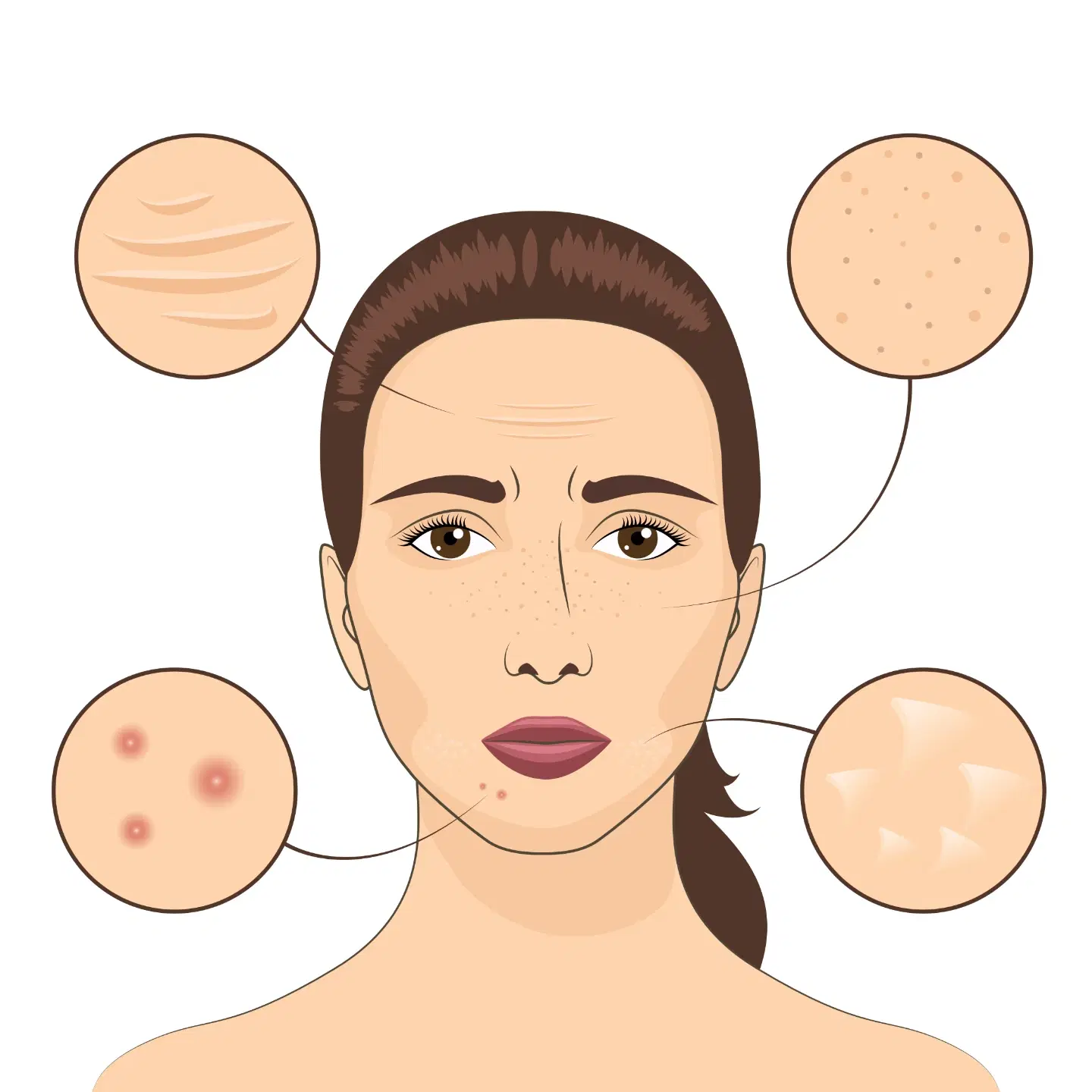
You wake up. Another breakout. Despite a meticulous ten-step skincare routine, expensive serums, and multiple visits to the dermatologist, your reflection shows angry, inflamed cystic acne along your jawline. Or perhaps it is a stubborn patch of eczema that flares up seemingly out of nowhere. Why? The answer rarely lies on the surface of your epidermis. Instead, the root cause of your dermatological distress is likely brewing deep within your digestive tract.
For decades, modern medicine treated the body as a collection of isolated systems. Dermatologists treated the skin. Gastroenterologists treated the stomach. We now understand that this compartmentalized approach is fundamentally flawed. Your body is a deeply interconnected biological network. What happens in your intestines dictates the health, clarity, and resilience of your skin.
This profound biological link is known scientifically as the gut-skin axis. If you are tired of topical treatments that only mask the symptoms, it is time to look inward. Achieving true radiance requires understanding the microbiology of your digestion. Let us examine the intricate science behind the gut-skin axis, explore how systemic inflammation impacts both your skin and joints, and outline exactly how to rebuild your digestive health from the ground up.
Understanding the Microscopic World Inside You
To comprehend the gut-skin connection, we must first look at the microbiome. Your gastrointestinal tract is home to roughly 39 trillion microorganisms. This complex ecosystem of bacteria, fungi, and viruses weighs about as much as your brain and functions as an entirely separate, highly active organ.
When your digestive system is balanced, beneficial bacteria dominate. These microscopic allies perform essential metabolic functions. They synthesize vitamins, assist in the absorption of minerals, and, most importantly, they ferment dietary fiber to produce Short-Chain Fatty Acids (SCFAs) like butyrate, acetate, and propionate. SCFAs are powerful anti-inflammatory molecules. They provide energy to the cells lining your colon, keep the intestinal barrier strong, and send calming chemical signals throughout your entire body, including to your skin.
Achieving optimal gut health for clear skin begins with maintaining this delicate microbial balance. However, the modern urban Indian lifestyle constantly threatens this equilibrium. High-stress jobs, insufficient sleep, widespread use of broad-spectrum antibiotics for minor viral fevers, and a dietary shift toward highly processed, sugar-laden foods create the perfect storm for "dysbiosis"—a state where harmful bacteria outnumber the beneficial ones.
The Mechanics of Intestinal Permeability
Dysbiosis leads to a physiological disaster known as intestinal permeability, commonly referred to as "leaky gut."
Your intestinal lining is incredibly thin. It is composed of a single layer of epithelial cells. These cells are glued together by proteins called "tight junctions." The purpose of this barrier is selective absorption. It allows microscopic nutrients to pass into your bloodstream while keeping large, undigested food particles, toxins, and pathogens safely confined within the digestive tract to be excreted.
When harmful bacteria take over, they produce endotoxins like Lipopolysaccharides (LPS). These toxins trigger the release of a protein called zonulin, which breaks apart the tight junctions. Suddenly, the intestinal gates are left wide open. Toxins, undigested proteins, and pathogens flood into your bloodstream.
Your immune system immediately recognizes these foreign invaders. It launches a massive, systemic inflammatory response to neutralize the threat. Because the skin is the body's largest organ of elimination, much of this systemic inflammation manifests dermatologically. The result? Acne, rosacea, eczema, and premature aging. If you want a lasting solution, you must focus on gut health for clear skin. Topicals treat the symptom; healing the intestinal barrier treats the cause.
The Autoimmune Connection: When the Gut Impacts Skin and Joints
The consequences of a compromised intestinal barrier extend far beyond a few pimples. Systemic inflammation driven by a leaky gut is a primary trigger for autoimmune diseases. In these conditions, the immune system loses its ability to distinguish between foreign invaders and the body’s own healthy tissues.
Imagine your immune system as the traffic police at a bustling, chaotic intersection in Bengaluru or Mumbai. Under normal circumstances, they direct the flow of cars, auto-rickshaws, and pedestrians smoothly. But if a massive, unexpected protest suddenly erupts (representing a flood of toxins leaking from the gut into the bloodstream), the police become entirely overwhelmed. They panic. They start giving wrong signals. Chaos ensues. In the human body, this chaos is systemic autoimmunity. The confused immune system starts pulling over the wrong vehicles—attacking your own healthy skin cells and joint linings.
This is precisely why patients suffering from severe skin conditions often experience joint pain simultaneously. Psoriasis, for example, is an autoimmune condition characterized by rapid skin cell turnover, resulting in thick, scaly plaques. A significant percentage of psoriasis patients also develop Psoriatic Arthritis, a painful inflammatory joint condition. The common denominator between the inflamed skin and the aching joints is very often profound gut dysbiosis [Source: Journal of Investigative Dermatology].
When the intestinal lining leaks, fragments of bacteria enter the bloodstream that closely resemble the molecular structure of human joint tissue and skin cells. Through a process called "molecular mimicry," the immune system produces antibodies to attack the bacterial fragments, but these antibodies mistakenly attack the skin and joints instead.
Addressing this requires clinical intervention. At specialized medical facilities like Bangalore Gastro Centre, gastroenterologists use advanced diagnostics to evaluate the integrity of the digestive tract. Identifying the specific microbial imbalances and repairing the intestinal wall is a vital step in halting the autoimmune cascade.
Often, patients ignore mild digestive distress, chalking it up to something they ate. However, Repeated Stomach Pain: Hidden Causes You Shouldn’t Ignore can be the first warning sign of a compromised intestinal barrier that may eventually lead to systemic skin and joint issues.
Common Skin Conditions Rooted in Digestive Distress
Let us examine exactly how specific dermatological issues are linked to the gut-skin axis.
1. Acne Vulgaris
Acne is deeply tied to digestive health. In the Indian context, the traditional diet has rapidly shifted. The sudden influx of ultra-processed foods, refined carbohydrates (like maida-based snacks), and high-sugar items causes rapid spikes in blood glucose. This triggers the release of insulin and Insulin-like Growth Factor 1 (IGF-1).
High levels of IGF-1 stimulate the sebaceous glands in your skin to produce excess sebum (oil). Simultaneously, a sluggish, inflamed gut fails to properly eliminate excess hormones, specifically estrogen and testosterone. These hormones recirculate in the bloodstream, further driving hormonal acne. People constantly ask their dermatologists how to clean stomach for clear skin, realizing that topical retinoids alone are failing to control the deep, painful cystic breakouts occurring along the chin and jawline.
2. Rosacea
Rosacea causes intense redness, visible blood vessels, and sometimes small, red, pus-filled bumps on the face. Research shows a massive correlation between rosacea and a digestive condition called Small Intestinal Bacterial Overgrowth (SIBO). SIBO occurs when bacteria that normally reside in the large intestine migrate upward and colonize the small intestine. Here, they ferment carbohydrates prematurely, causing severe bloating, gas, and systemic inflammation that triggers the hallmark facial flushing of rosacea.
3. Eczema (Atopic Dermatitis)
Eczema is characterized by dry, itchy, and inflamed skin. It is frequently linked to a lack of microbial diversity in the digestive tract. When infants do not develop a robust, diverse microbiome early in life, their immune systems remain hyper-reactive. In adults, addressing eczema almost always requires answering the question of how to clean your gut for clear skin. By repairing the mucosal lining of the intestines and introducing diverse probiotic strains, the systemic allergic response that drives eczema can be dramatically reduced.
The Indian Context: Diet, Lifestyle, and Digestion
The standard urban Indian lifestyle presents unique challenges to the gut-skin axis. Traditional Indian cooking is inherently supportive of digestive health. It utilizes a vast array of spices like turmeric, cumin, coriander, and fennel, which possess powerful antimicrobial and anti-inflammatory properties. Traditional meals often included homemade set curd (a potent source of probiotics) and fermented foods like idli, dosa, and kanji, which provide both beneficial bacteria and the resistant starch required to feed them.
However, the modern metropolitan lifestyle has largely abandoned these practices. The reliance on food delivery apps means a higher consumption of seed oils, artificial preservatives, and massive amounts of refined sugar. Furthermore, the Indian tendency to overcook vegetables often destroys essential water-soluble vitamins and dietary enzymes needed for proper digestion.
Another major factor is the widespread issue of hypochlorhydria, or low stomach acid. Many Indians suffer from chronic acidity and "gastric" issues. The immediate, knee-jerk reaction is to consume over-the-counter antacids or proton pump inhibitors (PPIs). While these drugs provide temporary relief, long-term use completely suppresses stomach acid. Without adequate stomach acid, you cannot break down proteins effectively. These undigested proteins enter the intestines, putrefy, and feed pathogenic bacteria. This toxic environment inevitably manifests on your face.
Actionable Steps: The Protocol to Reset Your Digestion
You cannot scrub away acne or eczema if your internal environment is toxic. You must focus intensely on gut health for clear skin. Here is the clinical, step-by-step approach to repairing your microbiome and achieving a radiant complexion from within.
Step 1: Remove the Irritants
Before you add supplements, you must stop the damage. For a period of 30 to 60 days, strictly eliminate foods that inflame the intestinal lining.
- Refined Sugars and Artificial Sweeteners: These directly feed pathogenic bacteria and yeast (like Candida).
- Dairy (For some): Conventional dairy is highly inflammatory for many individuals with compromised guts, largely due to A1 casein proteins and residual hormones.
- Ultra-Processed Foods: Emulsifiers found in packaged snacks are known to degrade the protective mucosal lining of the intestines.
Step 2: Incorporate Healing Nutrients
Once the damage has stopped, you must provide your body with the building blocks to repair the tight junctions. If you are wondering how to clean your gut for clear skin, focus on amino acids and healthy fats.
- L-Glutamine: This amino acid is the primary fuel source for the cells lining your intestines. It physically rebuilds the damaged gut wall.
- Bone Broth or Plant-Based Alternatives: Rich in collagen and gelatin, which soothe and repair the mucosal lining.
- Omega-3 Fatty Acids: Found in wild-caught fish, flaxseeds, and walnuts. Omega-3s powerfully suppress the systemic inflammation that drives red, angry skin conditions.
Step 3: Repopulate and Feed the Good Bacteria
To maintain the newly repaired barrier, you need to cultivate a thriving garden of beneficial microbes. This requires prioritizing the best foods for skin and gut health.
- Prebiotics: These are specific types of dietary fiber that humans cannot digest, but our gut bacteria love. Include copious amounts of garlic, onions, leeks, asparagus, and slightly unripe bananas in your diet.
- Probiotics: Introduce live, beneficial bacteria through fermented foods. Unsweetened homemade yogurt, kefir, sauerkraut, and traditional kimchi are excellent choices.
- Polyphenols: These are vibrant plant compounds that act as antioxidants. Blueberries, dark chocolate (85% cacao or higher), and green tea exert a protective effect on both the gut lining and the skin matrix.
For a deeper dive into dietary specifics, Eat These Fantastic Foods for a Healthy Small Intestine! This resource breaks down exactly how to incorporate healing foods into your daily routine. By consistently choosing the best foods for skin and gut health, you provide your body with the exact chemical precursors needed to produce clear, glowing skin.
Step 4: Manage Your Nervous System
Your brain and your digestive tract are physically connected by the vagus nerve. This connection is why you feel "butterflies" in your stomach when nervous. Chronic psychological stress—common in fast-paced corporate environments—keeps your body in a constant state of "fight or flight." In this state, blood flow is diverted away from the digestive organs. Digestion halts. Gut motility slows down, leading to constipation. Toxins build up and are subsequently pushed out through the skin.
You must practice stress modulation. Daily meditation, deep diaphragmatic breathing, and adequate sleep (7-8 hours minimum) are not optional if you want to master how to clean gut for clear skin. Sleep is the period when your body actively repairs the intestinal lining and generates new skin cells.
Navigating the complexities of the gut-skin axis can be overwhelming. Below are comprehensive answers to the most common questions patients ask when trying to connect their digestive symptoms to their dermatological nightmares.
What triggers autoimmune skin diseases in the gut?
Autoimmune skin diseases, such as severe psoriasis or cutaneous lupus, are often triggered by a breakdown in immune tolerance originating in the digestive tract. When the gut is "leaky," large, undigested proteins and bacterial fragments (like lipopolysaccharides) enter the bloodstream. The immune system flags these as dangerous invaders and creates antibodies to destroy them.
However, due to a phenomenon called "molecular mimicry," the protein structure of these bacterial fragments closely resembles the protein structure of your own skin cells and joint tissues. The immune system gets confused. It begins deploying antibodies to attack your healthy skin cells, causing rapid cellular turnover and severe scaling (psoriasis), or attacking the connective tissues (lupus). The root trigger is almost always the initial breach of the intestinal barrier.
How does the gut play a role in chronic skin inflammation and joint pain?
The digestive system is the headquarters of your immune system. Approximately 70% to 80% of your immune cells reside in the gut-associated lymphoid tissue (GALT). When dysbiosis occurs—meaning bad bacteria outnumber good bacteria—the gut remains in a chronic state of low-grade inflammation.
This localized inflammation quickly becomes systemic. The gut releases pro-inflammatory cytokines (chemical messengers) into the bloodstream. These cytokines travel throughout the body, sparking inflammation wherever they land. If they land in the skin, they exacerbate acne, rosacea, and eczema. If they land in the synovial fluid of the joints, they cause the swelling, stiffness, and intense pain associated with conditions like Psoriatic Arthritis or Rheumatoid Arthritis. To quiet the inflammation in the skin and joints, you must first extinguish the fire burning in the gut.
How to clean stomach for clear skin safely and effectively?
The concept of "cleaning" the stomach should not involve harsh chemical laxatives, extreme juice fasts, or aggressive detox teas, which often do more harm than good by stripping away beneficial bacteria.
To safely clear the digestive tract, you must focus on optimizing digestion and elimination naturally. First, ensure adequate stomach acid production by chewing your food thoroughly and perhaps consuming a small amount of diluted apple cider vinegar before meals (if tolerated). Second, increase your intake of soluble and insoluble fiber. Fiber acts as a gentle broom, sweeping dead bacteria, excess hormones, and toxins out of the colon. Third, prioritize hydration. Water is required to move fiber smoothly through the digestive tract. By ensuring a complete, daily bowel movement, you prevent the reabsorption of toxins that lead to congested, acne-prone skin.
When should I see a specialist for skin and digestive issues?
You should seek the expertise of a medical professional when lifestyle and dietary changes do not yield results after several months, or if you experience specific "red flag" symptoms.
If your skin conditions (like cystic acne or widespread eczema) are accompanied by chronic bloating, unexplained weight loss, persistent abdominal pain, chronic fatigue, irregular bowel movements (chronic diarrhea or severe constipation), or visible blood in the stool, it is time to consult a specialist.
At comprehensive facilities like Bangalore Gastro Centre, a gastroenterologist can perform specialized testing. This may include stool tests to map your microbiome, breath tests to check for SIBO, or endoscopies to visually inspect the intestinal lining for conditions like Celiac disease or Inflammatory Bowel Disease (IBD). Identifying a precise clinical diagnosis is essential before blindly taking supplements.
How long does it take to see skin changes after fixing the gut?
Patience is absolutely required. When patients ask how to clean gut for clear skin, they often expect overnight results. Biology does not work that way.
The cells lining your digestive tract turn over relatively quickly—every 3 to 5 days. However, deeply entrenched dysbiosis can take months to correct. Furthermore, a skin cycle (the time it takes for a new skin cell to be born in the deepest layer of the epidermis and travel to the surface) takes about 28 days in younger adults, and up to 45-60 days in older adults.
Therefore, even if you perfectly optimize your diet and heal your gut lining today, the clear, healthy skin cells forming right now will not be visible on the surface of your face for at least a month. Most patients begin to see a noticeable reduction in skin inflammation and a brighter complexion between weeks 6 and 12 of a dedicated gut-healing protocol. Consistency with the best foods for skin and gut health is the key to lasting success.
Conclusion
The pursuit of flawless skin is an inside job. Expensive topical treatments, chemical peels, and laser therapies can only offer temporary cosmetic improvements if the underlying biological foundation is inflamed. Your skin is quite literally a reflection of your internal digestive health.
By understanding the science of the gut-skin axis, recognizing the profound impact of systemic inflammation, and taking active steps to repair your intestinal barrier, you are doing more than just fighting acne or eczema. You are protecting your body from autoimmune conditions, safeguarding your joint health, and dramatically improving your overall vitality. Stop fighting a superficial war against your epidermis. Turn your attention inward, heal your microbiome, and watch as your skin transforms naturally, radiating true, fundamental health.