
Gallbladder Polyps: Causes, Diet & When Surgery Is Needed
A routine health checkup often brings unexpected surprises. For many adults in India, one of the most common—and anxiety-inducing—surprises found on a standard abdominal ultrasound is a gallbladder polyp. You went in feeling fine, or perhaps with just a mild, vague discomfort after a heavy meal, and you came out with a medical term that sounds incredibly intimidating.
Panic usually sets in immediately. Words like "polyp" or "growth" carry heavy connotations. However, the reality of this condition is often much less frightening than it initially appears. Understanding what these growths are, why they form, and how your daily habits influence them is the first step toward taking control of your health.
This comprehensive guide will break down the science behind these growths. We will explore the vital role of the gut microbiome, the impact of systemic inflammation, and the specific dietary changes required for optimal health. By the end of this article, you will have a clear, medically accurate roadmap for your digestive well-being.
What Exactly Is a Gallbladder Polyp?
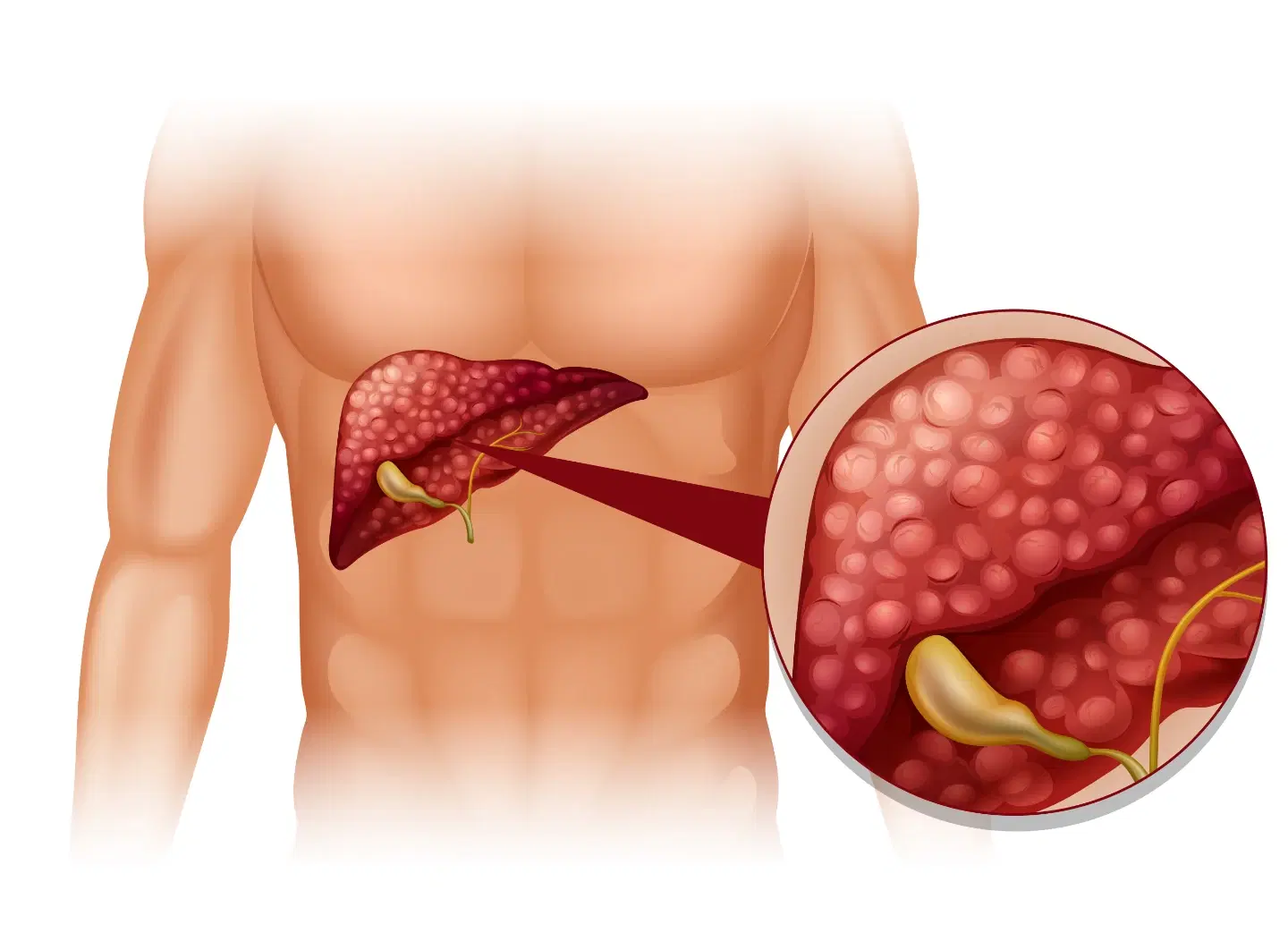
To understand the condition, we first need to look at the organ itself. The gallbladder is a small, pear-shaped pouch tucked just beneath your liver on the right side of your abdomen. Its primary job is to store and concentrate bile—a yellowish-green fluid produced by the liver that helps digest fats. When you eat a meal containing fat, the gallbladder contracts, squirting bile into the small intestine to break down the food.
A gallbladder polyp is simply an abnormal growth of tissue that projects from the inner lining (the mucosal wall) of this organ. They vary in size, shape, and composition.
Medical professionals categorize them into two main groups:
- Pseudopolyps (Non-neoplastic): These are not true tumors. They account for roughly 60% to 90% of all cases. The most common type is the cholesterol polyp. When the bile contains too much cholesterol, specialized immune cells called macrophages engulf the excess cholesterol crystals. These fat-filled cells then stick to the inner wall of the gallbladder, forming tiny, yellowish outgrowths. Inflammatory polyps, composed of scar tissue and inflammatory cells, also fall into this category.
- True Polyps (Neoplastic): These are actual cellular growths. Adenomas are benign true polyps, but they carry a potential risk of slowly turning malignant over many years.
Understanding the composition of your specific growth dictates the next steps in your medical journey. This brings us to the most common question patients ask their doctors.
Are gallbladder polyps dangerous?
The short answer is: rarely, but they require professional monitoring.
When patients ask, "Are gallbladder polyps dangerous?", doctors immediately look at the size of the growth. Size is the most reliable predictor of potential risk. The vast majority of these growths are benign cholesterol deposits that will never turn into cancer. However, the medical community maintains strict guidelines to ensure patient safety.
- Less than 5 millimeters (mm): These are almost always benign cholesterol deposits. They pose very little threat. Your doctor will likely recommend a follow-up ultrasound in a year to ensure they haven't grown.
- Between 6 mm and 9 mm: These require closer observation. While still highly likely to be benign, a gastroenterologist will typically suggest an ultrasound every 6 months to monitor any rapid changes in size or shape.
- 10 mm (1 centimeter) or larger: This is the clinical threshold. When a polyp reaches this size, the risk of it being a precancerous adenoma or harboring malignant cells increases. At this stage, doctors usually recommend surgical removal of the gallbladder.
- 18 mm or larger: Growths of this size carry a significant risk of malignancy and require immediate surgical intervention.
So, are gallbladder polyps dangerous? For the average person, they are simply a sign that the body's cholesterol processing and metabolic health need attention. The danger lies not in the diagnosis itself, but in ignoring the condition and failing to attend follow-up imaging appointments.
The Indian Context: Diet, Metabolism, and Bile Health
Why are these growths becoming so common, particularly among younger adults in India? The answer lies in the intersection of genetics, rapid lifestyle changes, and metabolic health.
Bile is a delicate chemical mixture of water, bile salts, bilirubin, and cholesterol. When this mixture falls out of balance—specifically, when there is an overabundance of cholesterol—crystals begin to form.
The modern Indian lifestyle contributes heavily to this imbalance. Traditional diets have shifted. The widespread consumption of highly refined carbohydrates (like white rice and maida), combined with the reuse of cooking oils and a high intake of trans fats found in processed snacks, drastically alters liver function. The liver responds to metabolic stress and insulin resistance by pumping more cholesterol into the bile.
Furthermore, sedentary jobs and a lack of physical activity slow down gallbladder motility. When the gallbladder does not contract frequently or completely, the bile sits stagnant. Stagnant bile thickens, creating the perfect environment for cholesterol crystals to precipitate and adhere to the organ's walls.
The Gut Microbiome, Inflammation, and Autoimmunity
You cannot discuss gallbladder health without exploring the intricate ecosystem of the human gut. The digestive tract is home to trillions of bacteria, fungi, and viruses, collectively known as the gut microbiome. This microbiome does much more than break down food; it actively regulates your immune system, your metabolism, and your systemic inflammatory response.
The Enterohepatic Circulation of Bile
Bile does not just leave the body after digesting fats. It enters the small intestine, does its job, and then travels to the end of the small intestine (the terminal ileum), where up to 95% of bile acids are reabsorbed into the bloodstream and sent back to the liver. This recycling process is called enterohepatic circulation.
Gut bacteria heavily influence this process. Specific bacterial strains convert primary bile acids into secondary bile acids. If your gut microbiome is dysbiotic (unbalanced) due to a poor diet or heavy antibiotic use, this conversion process goes awry. Abnormal bile acid profiles irritate the gallbladder lining, contributing to the formation of inflammatory polyps.
The Gut-Joint Axis and Systemic Confusion
When the gut microbiome is compromised, the intestinal lining becomes permeable. This condition, often referred to as "leaky gut," allows bacterial toxins (endotoxins) and undigested food particles to enter the bloodstream. The body recognizes these foreign invaders and mounts an aggressive inflammatory immune response.
This systemic inflammation does not stay localized to the gut. It travels throughout the body.
Imagine the immune system as the traffic police at a major Indian intersection—say, Bengaluru's infamous Silk Board junction during peak monsoon. Normally, these officers direct the flow of bacteria and toxins out of the body efficiently. But when severe systemic inflammation sets in due to a leaky gut, the signals fail. The immune system becomes utterly confused. The "traffic police" start halting the wrong vehicles, aggressively attacking healthy, innocent tissues instead of actual pathogens.
This confusion is the root cause of autoimmune diseases. The immune system might attack the joints, leading to conditions like Rheumatoid Arthritis. This is a well-documented medical phenomenon known as the gut-joint axis. [Source: Journal of Autoimmunity].
The exact same systemic inflammation that causes joint pain also alters bile composition and irritates the mucosal lining of the gallbladder. Therefore, a patient presenting with an autoimmune joint condition often has underlying gut dysbiosis, which simultaneously increases their risk for developing inflammatory gallbladder growths. Treating the root cause requires addressing the gut.
The Optimal Gallbladder polyp diet
Since the vast majority of these growths are linked to cholesterol metabolism and gut inflammation, nutrition is your most powerful tool. Adopting a specific gallbladder polyp diet can prevent existing growths from enlarging and stop new ones from forming.
The primary goal of a gallbladder polyp diet is twofold: to thin the bile (preventing cholesterol precipitation) and to reduce systemic inflammation.
Foods to Embrace
1. High-Fiber Carbohydrates: Fiber is essential. It binds to excess cholesterol in the digestive tract and escorts it out of the body before it can be reabsorbed into the bloodstream. An effective gallbladder polyp diet relies heavily on whole grains. Shift away from polished white rice and embrace complex carbohydrates. Millets (ragi, jowar, bajra), oats, brown rice, and quinoa should form the base of your meals.
2. Anti-Inflammatory Vegetables and Fruits:
Load your plate with antioxidants. Dark leafy greens like spinach and fenugreek (methi) support liver detoxification. Cruciferous vegetables like broccoli, cabbage, and cauliflower contain compounds that help the liver process toxins efficiently. Berries, apples, and citrus fruits provide the necessary vitamins to combat oxidative stress.
3. Lean Proteins:
The gallbladder has to work overtime to digest heavy, fatty meats. An ideal gallbladder polyp diet focuses on lean protein sources. Opt for plant-based proteins like lentils (dal), chickpeas, and tofu. If you consume meat, choose skinless chicken or fish rich in omega-3 fatty acids, like salmon or mackerel. Omega-3s naturally reduce inflammation across the body.
4. Healthy Fats (In Moderation):
You cannot eliminate fat completely; the gallbladder needs some fat to stimulate contraction and keep bile flowing. The key is the type of fat. Olive oil, avocados, and small portions of raw nuts (walnuts, almonds) provide healthy monounsaturated fats that support cholesterol management.
To truly support your digestion, you need to focus on overall intestinal health. Eat These Fantastic Foods for a Healthy Small Intestine! [https://youtu.be/eVCVD1Rv9hw?si=PWD8DYCXbvBZQkzA]. Incorporating these foods ensures your microbiome remains diverse and resilient.
Foods to Strictly Avoid
1. Saturated and Trans Fats:
This is the most vital restriction. Deep-fried foods, heavily processed snacks, and commercial baked goods are packed with unhealthy fats that force the liver to produce cholesterol-heavy bile. Avoid reusing cooking oil, a common practice that creates dangerous trans fats.
2. Refined Sugars:
High sugar intake leads to insulin spikes. Chronic high insulin signals the liver to produce more cholesterol. Sugary beverages, sweets, and excessive amounts of jaggery should be minimized.
3. Full-Fat Dairy:
While dairy is a staple in many Indian homes, full-fat milk, heavy cream, and excessive amounts of butter or cheese can trigger aggressive gallbladder contractions and contribute to cholesterol buildup. Switch to low-fat or skim alternatives.
By strictly adhering to a thoughtful gallbladder polyp diet, you actively change the chemistry of your bile, promoting a hostile environment for polyp growth.
Gallbladder polyp management and Treatment Protocols
When a growth is discovered, what happens next? Proper gallbladder polyp management requires a structured approach. It is not something you should self-treat or ignore.
For the vast majority of patients with growths under 10mm, the standard gallbladder polyp treatment is "watchful waiting." This does not mean doing nothing. It means actively engaging in lifestyle modifications while undergoing regular medical surveillance.
Effective gallbladder polyp management involves:
- Scheduled Ultrasounds: Your gastroenterologist will likely schedule an abdominal ultrasound every 6 to 12 months. This tracks the size and growth rate. A growth that remains stable over several years is highly likely to be a benign cholesterol deposit.
- Dietary Adherence: Strict compliance with the dietary guidelines mentioned above.
- Metabolic Control: Managing underlying conditions like obesity, Type 2 diabetes, and high cholesterol. Weight loss should be gradual; rapid weight loss can actually cause gallstones and irritate existing polyps.
It is essential to pay attention to your body during this observation period. Sometimes, symptoms are ignored or mistakenly attributed to simple indigestion. If you are experiencing ongoing discomfort, read more about Repeated Stomach Pain: Hidden Causes You Shouldn’t Ignore to understand when immediate medical intervention is required.
When Is Surgery Needed?
While conservative gallbladder polyp treatment is the norm, surgical intervention becomes absolutely necessary under specific clinical criteria.
The surgical procedure to remove the gallbladder is called a cholecystectomy. Today, this is almost exclusively performed laparoscopically—a minimally invasive technique using tiny incisions, a camera, and specialized instruments. Recovery is generally rapid, with most patients returning home the same day or the next day.
Surgery is indicated in the following scenarios:
- Size: As previously discussed, any growth measuring 10 mm (1 cm) or larger warrants surgical removal due to the statistically significant risk of it harboring cancerous cells.
- Growth Rate: If a small polyp grows by 2 mm or more between your scheduled ultrasound scans, a doctor will likely recommend surgery, regardless of its total size. Rapid growth is a red flag for abnormal cellular activity.
- Symptomatic Presentation: Most of these growths are asymptomatic. However, if a polyp breaks off or is positioned near the cystic duct (the exit tube of the gallbladder), it can cause blockages. This leads to biliary colic—severe, cramping pain in the upper right abdomen, often radiating to the back or right shoulder. It can also cause cholecystitis (inflammation of the gallbladder). If you experience pain, nausea, or vomiting, surgery is usually the safest option.
- Concurrent Gallstones: If you have both polyps and gallstones, the risk of complications and malignancy increases. Surgeons typically recommend removal in these dual-diagnosis cases.
At specialized, state-of-the-art facilities like Bangalore Gastro Centre, advanced imaging diagnostics, including Endoscopic Ultrasound (EUS), are utilized to get a highly detailed view of the gallbladder wall. This precision helps specialists distinguish between benign cholesterol deposits and potentially dangerous adenomas, ensuring that surgery is only performed when medically necessary.
Living without a gallbladder is entirely possible and requires only minor, long-term dietary adjustments. The liver will continue to produce bile, but instead of being stored, it will continuously drip into the small intestine. Patients are usually advised to eat smaller, more frequent meals and avoid massive, high-fat feasts to prevent digestive discomfort.
Patient Q&A: Autoimmunity, Gut Health, and Gallbladder Issues
Navigating digestive health can be overwhelming. Below are detailed answers to the most common questions patients ask regarding the complex relationship between systemic health, immunity, and digestive organs.
What are autoimmune diseases, and how do they start?
Autoimmune diseases occur when the body’s natural defense system cannot tell the difference between your own cells and foreign cells. Instead of attacking bacteria or viruses, the immune system produces autoantibodies that attack healthy organs, joints, or tissues. Examples include Rheumatoid Arthritis, Lupus, and Inflammatory Bowel Disease (IBD).
While genetics play a role in predisposing someone to these conditions, the actual "trigger" is often environmental. Current medical consensus heavily points to chronic systemic inflammation, frequently originating in the gut. When the intestinal lining is damaged (leaky gut), toxins flood the bloodstream, putting the immune system in a state of chronic, aggressive hyper-alertness. Over time, this confused state leads to self-tissue attacks.
How does the gut play a role in triggering joint pain and autoimmune issues?
The connection is established through the gut-joint axis. Your gut microbiome regulates the maturation of immune cells. If you have an overgrowth of harmful bacteria due to a poor diet or chronic stress, these bacteria produce inflammatory markers (cytokines).
Furthermore, some gut bacteria share structural similarities with the proteins found in human joints. This is a concept called "molecular mimicry." When the immune system creates antibodies to fight the bad gut bacteria, those same antibodies mistakenly travel through the bloodstream and attack the joints because the proteins look identical. Fixing the gut environment is therefore a primary strategy in managing systemic autoimmune joint pain.
How is an autoimmune flare-up connected to gallbladder problems?
Inflammation is rarely isolated. The same inflammatory cytokines circulating in the blood that cause joint swelling also affect the biliary system. Chronic inflammation alters the way the liver synthesizes bile acids. It can reduce the motility of the gallbladder, causing bile to stagnate. Stagnant, altered bile creates the perfect chemical environment for inflammatory gallbladder polyps to grow. Therefore, treating an autoimmune condition often requires simultaneously supporting liver and gallbladder health.
Does a gallbladder polyp diet help with autoimmune inflammation?
Yes, absolutely. The prescribed gallbladder polyp diet—rich in fiber, antioxidants, and omega-3 fatty acids, while strictly eliminating trans fats and refined sugars—is essentially an anti-inflammatory diet. By removing the dietary triggers that cause gut permeability and insulin resistance, you calm the immune system. This dual-action approach stops the progression of cholesterol growths in the gallbladder while simultaneously reducing the systemic inflammation that drives autoimmune symptoms.
When should I see a specialist for my digestion and joint pain?
You should seek specialist care if you experience persistent, overlapping symptoms. If you have chronic right-sided abdominal pain, unexplained bloating, fatigue, and simultaneous joint stiffness (particularly in the mornings), your body is signaling a systemic issue. Do not wait for the symptoms to become unbearable.
Early diagnosis is critical. A multidisciplinary approach is best. Consulting experts at specialized institutions like Bangalore Gastro Centre ensures that you receive a comprehensive evaluation. Gastroenterologists can assess your gut lining, evaluate your microbiome health, and monitor your biliary system using advanced ultrasound techniques, ensuring that the root cause of your inflammation is identified and treated effectively.
Disclaimer: This article is for informational purposes only and does not constitute medical advice. Always consult with a qualified healthcare provider for diagnosis and treatment plans tailored to your specific medical needs.