


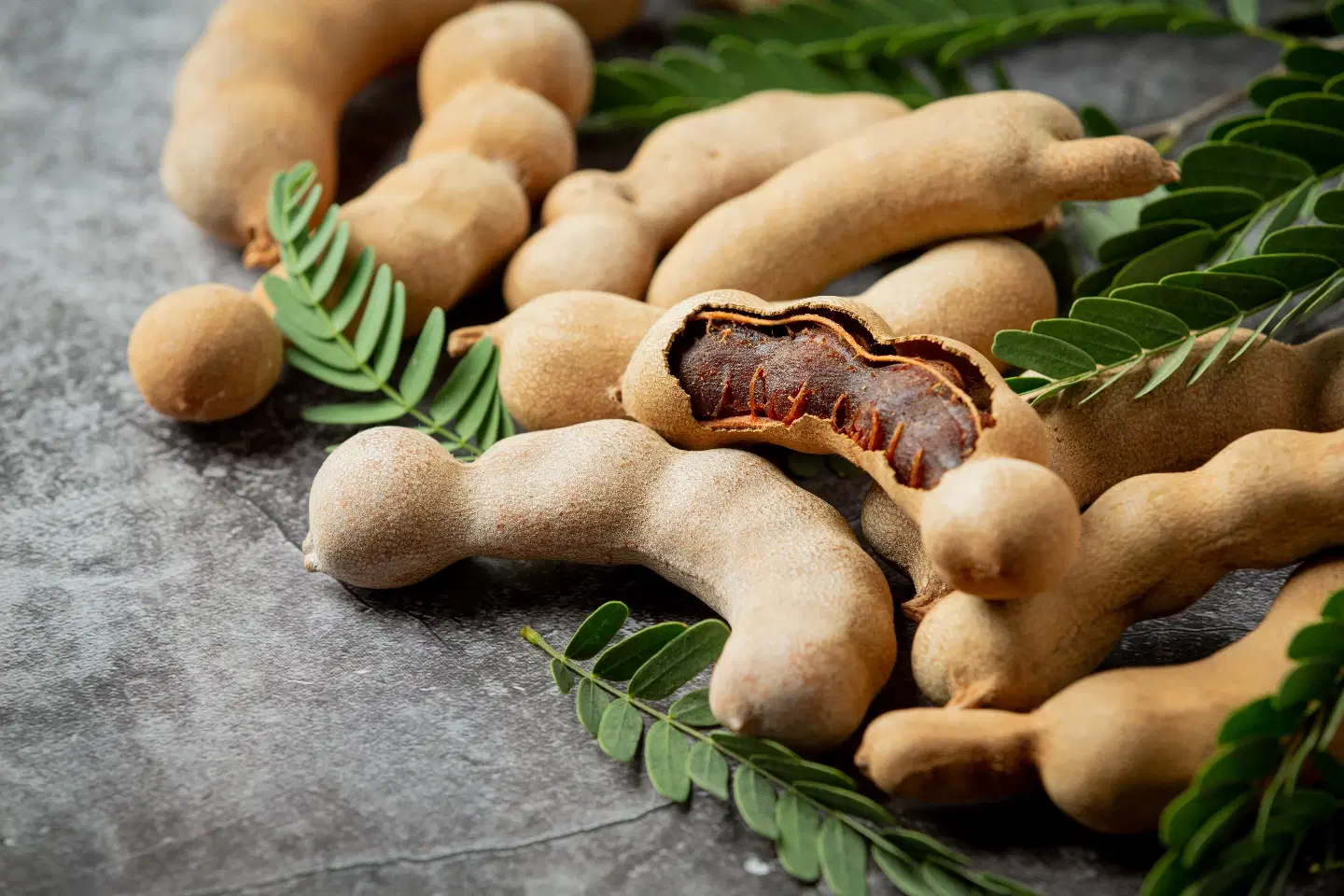
Tamarind & Acidity: Does Imli Really Cause Heartburn?
Think of a Sunday afternoon in a typical Indian household. The aroma of freshly prepared sambar fills the kitchen, or perhaps the sharp, tangy kick of a street-side pani puri makes your mouth water. At the center of these iconic culinary experiences is one star ingredient: tamarind, known lovingly as imli.
We love our sour flavors, but for many, that delicious tang is followed by the familiar burning sensation of acidity or heartburn. You might reach for an antacid and wonder: did your favorite food just betray you?
This brings us to a common dietary question: Does tamarind actually cause acidity?
For years, many popular health articles have made sweeping, sometimes frightening claims linking common foods to complex digestive and immune disorders. However, when we look closely at modern medical science, the answer is much simpler—and much more personalized—than you might think.
The Science: Tamarind and Your Stomach
Tamarind gets its signature sour taste primarily from tartaric acid. Because it is a naturally acidic food, it is frequently blamed for triggering Gastroesophageal Reflux Disease (GERD)—commonly known as acid reflux.
The theory is that acidic foods might relax the Lower Esophageal Sphincter (LES). The LES is the muscular ring at the bottom of your esophagus that acts as a one-way valve, preventing stomach acid from splashing upward.
While tamarind may theoretically relax the lower esophageal sphincter in a laboratory setting, the reality of how it affects the human body is much more nuanced.
What the Guidelines Say About "Trigger Foods"
When dealing with acidity, it is easy to look for a single culprit to ban from your diet. However, modern medical evidence does not support a universal ban on foods like tamarind.
According to the American College of Gastroenterology (ACG) guidelines:
- Lab Results Don't Always Equal Real Symptoms: The ACG emphasizes that the effects certain foods have on LES pressure in a laboratory do not consistently translate into proven symptom relief when those foods are avoided in real life.
- Triggers Are Highly Individual: Food triggers vary wildly from person to person. What causes severe heartburn for one individual might be perfectly digested by another.
- Lack of Specific Evidence: Many commonly blamed dietary items have limited clinical evidence proving that avoiding them actually benefits patients. Extensive reviews on GERD lifestyle changes note that many proposed dietary interventions—which would include specific foods like tamarind—simply do not have eligible formal studies to back up the claims.
Instead of naming tamarind or similar sour foods as established, universal triggers, clinical guidelines focus on broader, proven lifestyle measures.
Proven Ways to Manage Acidity
If you are struggling with heartburn, blindly cutting out tamarind might not solve the problem. Instead, gastroenterologists recommend focusing on interventions that are actually proven to work:
- Watch Your Timing: Avoid eating late meals. Consuming food close to bedtime is a major, proven contributor to nighttime acid reflux.
- Weight Management: If you are overweight, losing weight is one of the most effective ways to reduce abdominal pressure and improve GERD symptoms.
- Elevate Your Head: Elevating the head of your bed can use gravity to help keep acid in your stomach while you sleep.
A Pragmatic Approach to Eating Imli
So, what should you do if you suspect that sambar or tamarind chutney is giving you heartburn?
Doctors recommend a pragmatic, individualized approach: elimination and re-challenge.
If you notice reproducible symptoms every time you eat tamarind-containing foods, try removing it from your diet for a short period. If your acidity improves, and then returns when you eat tamarind again, it is safe to say that imli is a personal trigger for you. In that case, moderation or avoidance is your best bet.
If your symptoms persist even after cutting out your favorite foods, or if lifestyle modifications are not enough, it is time to consult a doctor. They may recommend addressing the issue with a short trial of Proton Pump Inhibitors (PPIs) or other appropriate medical treatments.
Conclusion
The relationship between what we eat and how we feel is highly individual. While tamarind is acidic, there is no scientific mandate to eliminate it from your diet unless it specifically bothers you.
Instead of fearing everyday ingredients based on unproven theories, listen to your own body. Focus on proven lifestyle measures, manage your weight, avoid late-night snacking, and consult a medical professional to find an acidity management plan that actually works for you.