

Swallowing the Doctor's Camera: A Complete Guide to Capsule Endoscopy for Small Intestine Health
Imagine swallowing a tiny camera, no larger than a standard vitamin pill, that travels through your digestive tract taking thousands of high-resolution photographs. This is not science fiction. It is a modern medical reality. For decades, the small intestine was considered the "black box" of the human gastrointestinal tract. Traditional endoscopes, inserted through the mouth, could only reach the upper portions of the digestive system. Colonoscopes, inserted from below, could only view the large intestine. The 20 feet of coiled small intestine resting in between remained incredibly difficult to examine without invasive surgery.
Today, advanced medical technology has illuminated this dark passageway. For residents seeking advanced diagnostics, a search for capsule endoscopy often yields top-tier facilities utilizing this exact innovation. This minimally invasive procedure allows gastroenterologists to identify hidden sources of bleeding, detect early signs of inflammatory bowel disease, and spot microscopic tumors that other imaging tests simply miss.
Whether you are suffering from chronic, unexplained abdominal pain, severe anemia without an obvious cause, or suspected autoimmune conditions, this technology provides answers. But how exactly does it work? Is it safe? And how does our deeply complex gut ecosystem affect the rest of our body?
Unlocking the Mystery: What is Capsule Endoscopy?
Patients frequently ask their gastroenterologist, What is capsule endoscopy and how will it help me? In simple terms, it is a diagnostic procedure that uses a wireless camera to take pictures of your digestive tract. The technical term in the medical community is Video capsule endoscopy.
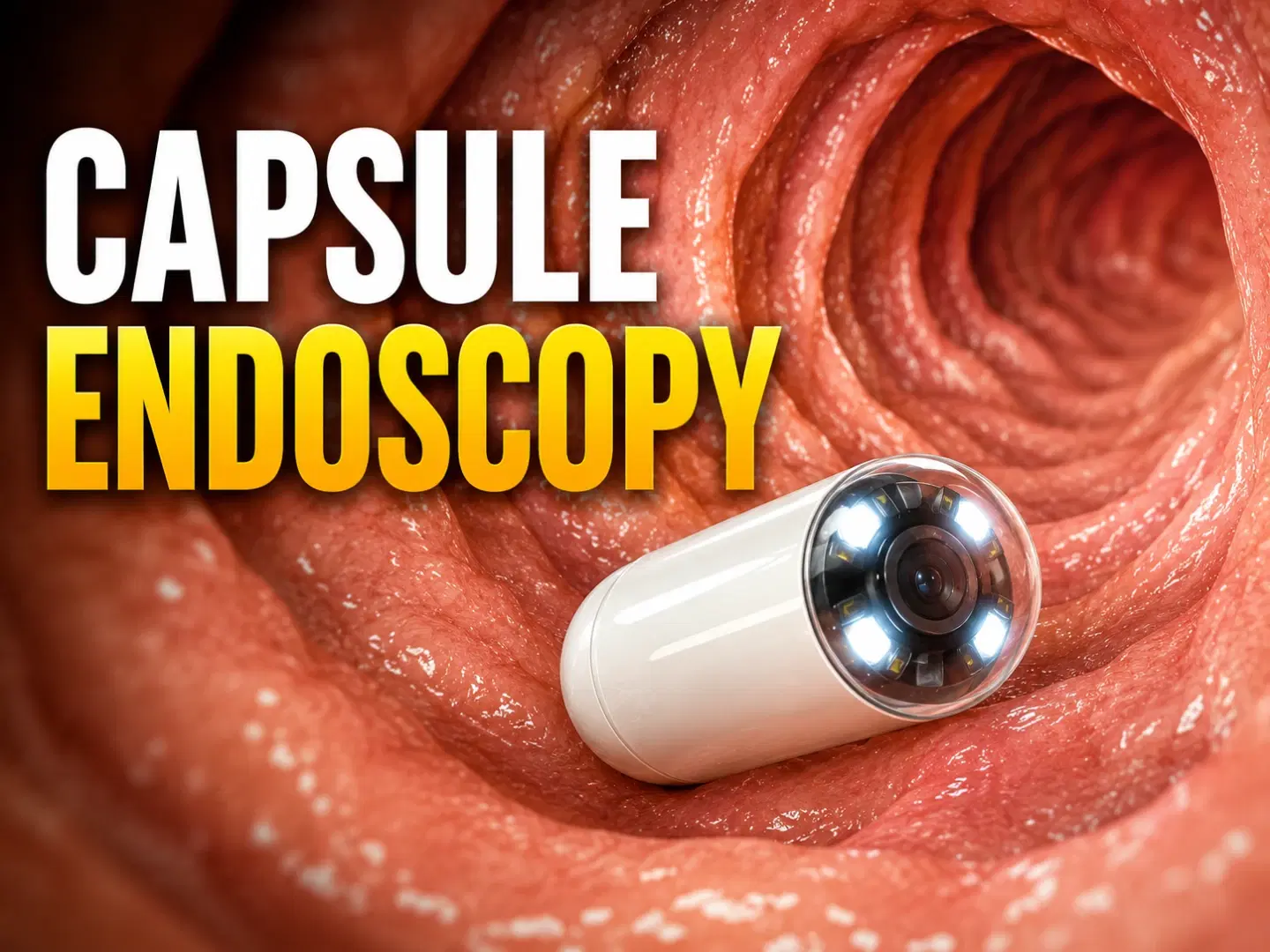
The device itself is an engineering marvel. Measuring about the size of a large jellybean, the capsule contains a tiny color camera, an LED light source, a radio transmitter, and a battery. Once you swallow it with a sip of water, it begins its journey. Driven purely by your body's natural muscle contractions—a process known as peristalsis—the camera glides smoothly through your esophagus, stomach, and finally into the twisting turns of your small intestine.
During a standard Video capsule endoscopy, the camera rapidly captures anywhere from two to six images per second. Over the course of its 8 to 12-hour journey, it will generate over 50,000 high-definition photographs. These images are transmitted wirelessly to a data recorder that you wear on a belt around your waist. After the procedure is complete, your doctor connects this recorder to a computer. Specialized software then stitches these thousands of images together into a continuous video. This allows the specialist to watch a literal movie of your internal anatomy, looking for ulcers, bleeding blood vessels, polyps, or areas of severe inflammation.
Understanding what capsule endoscopy is removes the fear associated with gastrointestinal testing. There are no tubes down your throat. There is no need for heavy sedation. You simply swallow the pill, go about your day, and let the technology do the heavy lifting.
The Indian Digestive Tract: A Unique Ecosystem
To fully appreciate why examining the small intestine is so important, we must look at the unique environment of the Indian gut. Our traditional diets are rich, diverse, and heavily reliant on a complex array of spices, legumes, and grains. Historically, the Indian diet provided massive amounts of dietary fiber, feeding a diverse and robust community of gut bacteria.
However, modern urban living has radically shifted this balance. In rapidly growing metropolitan areas, the shift toward highly processed foods, refined flours (maida), and excessive sugar intake has triggered a rise in gastrointestinal distress. Furthermore, the widespread, often unprescribed use of antibiotics for minor viral fevers decimates the healthy bacteria in our digestive system.
The small intestine is the primary site of nutrient absorption. It is lined with millions of microscopic, finger-like projections called villi. When you consume food, these villi absorb the essential vitamins, minerals, and proteins into your bloodstream. If the lining of your small intestine is damaged by inflammation, bacterial overgrowth, or autoimmune reactions, your body literally starves, regardless of how much food you eat. This leads to profound fatigue, chronic vitamin B12 and Vitamin D deficiencies (rampant across India), and unexplained weight loss.
If you are experiencing ongoing discomfort, it is highly recommended to educate yourself further.
The Gut-Immune Connection: When the Body Attacks Itself
The small intestine is not just a tube for digesting food. It is the headquarters of your immune system. Nearly 70% of your immune cells reside in the gut-associated lymphoid tissue (GALT), standing guard just millimeters away from the trillions of bacteria living in your digestive tract.
To understand how autoimmune diseases begin in the gut, consider a mild analogy. Imagine your immune system as a highly trained traffic cop stationed at the notoriously chaotic Silk Board junction in Bengaluru. Under normal circumstances, the gut lining acts as the barricades, and the traffic cop directs the flow of nutrients into the bloodstream smoothly. The bacteria stay in their designated lanes.
But what happens if poor diet, chronic stress, and infections destroy the barricades? This condition is known medically as increased intestinal permeability, or "leaky gut." Suddenly, undigested food particles, bacterial toxins (like lipopolysaccharides), and pathogens spill directly into the bloodstream. The traffic cop panics. Overwhelmed by the chaos, the immune system starts attacking everything in sight to regain control. It begins firing inflammatory signals indiscriminately.
This state of high alert leads to chronic systemic inflammation. The immune system becomes so confused by the chaos that it loses its ability to distinguish between a foreign invader and your own healthy tissue. It starts attacking your joints, your skin, or your thyroid gland. This is the foundation of the gut-joint axis. Medical research increasingly shows that joint pain conditions like rheumatoid arthritis or ankylosing spondylitis often have their roots in severe gut dysbiosis [Source: Journal of Clinical Investigation].
When the immune system specifically attacks the lining of the digestive tract itself, it results in Inflammatory Bowel Disease (IBD), such as Crohn's disease. Crohn's can cause deep, painful ulcers anywhere from the mouth to the anus, but it most frequently devastates the lower part of the small intestine. Because traditional scopes cannot reach this area, the disease often goes undiagnosed for years.
This is exactly why choosing the right center for a capsule endoscopy procedure requires careful consideration. At specialized facilities like Bangalore Gastro Centre, advanced diagnostics help identify these microscopic ulcerations early, allowing doctors to intervene before irreversible damage or strictures occur in the bowel.
When Do Doctors Recommend the Pill Camera?
Gastroenterologists do not prescribe a pill camera for a simple stomach ache. It is an advanced diagnostic tool reserved for specific, hard-to-diagnose scenarios. The demand for a reliable capsule endoscopy specialist has grown precisely because these complex cases are on the rise.
You may be a candidate for this procedure if you experience: Obscure Gastrointestinal Bleeding: You have dangerously low hemoglobin (anemia) or visible dark blood in your stool, but standard upper endoscopies and colonoscopies show normal results. The bleeding is likely hidden deep within the small intestine. Suspected Crohn's Disease: You suffer from chronic diarrhea, unexplained weight loss, and severe abdominal cramping, and doctors need to view the small bowel for characteristic "skip lesions" and ulcers. Celiac Disease Monitoring: This autoimmune reaction to gluten flattens the absorptive villi in the small intestine. While a blood test indicates antibodies, the camera provides visual proof of the tissue damage. Small Bowel Tumors: Though rare, benign polyps or malignant tumors can develop in the small intestine. The capsule can spot these growths early. Polyposis Syndromes: Patients with a genetic predisposition to developing dozens of polyps in their digestive tract need routine monitoring to prevent cancer.
The Patient Journey: Preparing for the Procedure
If your doctor has recommended this test, you might feel a bit anxious. Understanding the step-by-step process helps eliminate fear. Finding accurate information on capsule endoscopy options will show you that the preparation is straightforward but requires strict adherence to instructions.
- The Day Before: Clearing the Path The camera needs a clear view. If the small intestine is filled with dark fluids or food debris, the images will be murky and useless. Typically, you will be asked to consume only clear liquids (water, clear broths, apple juice) for 24 hours before the procedure. Some doctors may prescribe a mild laxative to flush out the bowel completely. You will need to fast entirely for 10 to 12 hours prior to swallowing the capsule.
- Swallowing the Camera On the morning of the procedure, you will arrive at the clinic. The technician will fit you with a sensor belt worn around your waist or attach adhesive sensor patches to your abdomen. These sensors act as antennas, catching the signals transmitted by the capsule. You will then swallow the pill with water. It is coated in a special slippery material, making it easier to swallow than a standard multivitamin.
- The 8 to 12-Hour Recording Once swallowed, you leave the clinic. You can drive, go to work, and perform light daily activities. You must avoid heavy lifting, strenuous exercise, or sudden bending. You can usually drink clear liquids two hours after swallowing the pill, and have a light snack four hours later. All the while, the capsule is flashing its tiny LED lights, taking photos, and beaming them to the recorder on your belt.
- Returning the Equipment and Expulsion After 8 to 12 hours, the battery inside the capsule dies. You return to the clinic to hand over the data recorder. The medical team will download the images. As for the capsule itself? You simply pass it naturally in your stool within a day or two. It is entirely disposable. You do not need to retrieve it. You just flush it away.
For those considering capsule endoscopy in Bangalore, the preparation is standard across top-tier clinics, ensuring you get the most accurate diagnostic yield possible.
Nutrition and Healing: Protecting Your Small Intestine
Diagnosing a problem is only the first step. Healing the small intestine requires a dedicated approach to nutrition. The foods you eat directly influence the bacterial balance and the integrity of your gut lining.
To rebuild a damaged gut barrier, the body requires specific amino acids like L-glutamine, abundant in bone broths and cabbage. It also requires diverse plant fibers. These fibers pass undigested into the lower intestine, where beneficial bacteria ferment them into Short-Chain Fatty Acids (SCFAs) like butyrate. Butyrate is the primary energy source for the cells lining your colon, reducing inflammation and keeping the gut barrier tight and secure.
If you want actionable advice on how to eat for optimal digestive health, Eat These Fantastic Foods for a Healthy Small Intestine!. Incorporating fermented foods, colorful vegetables, and traditional whole grains can slowly reverse years of dietary damage.
Understanding the Financial Investment
A major concern for many families is the capsule endoscopy cost. Medical technology of this caliber is an investment. It is not as inexpensive as a routine blood test.
Evaluating the capsule endoscopy cost involves looking at the sophisticated technology packed into the tiny pill. The capsule itself contains a miniaturized gold-plated antenna, a highly sensitive optical dome, and an Application-Specific Integrated Circuit (ASIC). Furthermore, the capsule is single-use. The cost also accounts for the extensive time required by a highly trained gastroenterologist to sit and analyze a multi-hour video frame by frame, looking for millimeter-sized abnormalities.
While the initial capsule endoscopy cost might seem high to some, it frequently saves patients money in the long run. By providing a definitive diagnosis, it eliminates the need for repeated, inconclusive tests, unnecessary hospital admissions for unexplained pain, or the staggering costs of treating a disease that was allowed to progress to a severe stage unhindered.
Accessing capsule endoscopy in Bangalore has become easier as more specialized clinics adopt the technology. When you schedule a capsule endoscopy appointment in Bangalore, inquire about insurance coverage. Many comprehensive health insurance policies in India now cover this diagnostic procedure if it is deemed medically necessary to investigate conditions like obscure bleeding or Crohn's disease.
Autoimmune Diseases, Gut Health, and Diagnostics
The human digestive system is incredibly complex. Naturally, patients have dozens of pressing questions when they first hear about the gut-immune connection and the pill camera. We have compiled the most medically relevant answers to help you understand your body better.
What triggers autoimmune diseases in the digestive tract? Autoimmune diseases like Crohn's disease or Celiac disease occur when the immune system mistakenly attacks healthy tissue. While genetics play a significant role (loading the gun), environmental factors are usually the trigger (pulling the trigger). These triggers can include severe bouts of food poisoning, chronic psychological stress, a diet high in ultra-processed foods, or the overuse of antibiotics. These factors alter the microbiome, leading to a breakdown in the intestinal barrier. When foreign proteins leak into the bloodstream, the immune system mounts a massive, destructive response against the gut lining.
How does the gut play a role in joint pain and inflammation? This is known as the gut-joint axis. Your gut lining is only one cell thick. When it becomes inflamed and permeable (leaky gut), bacterial fragments escape into the bloodstream and travel to the joints. The immune system detects these bacterial fragments in the joint fluid and attacks them. Furthermore, a phenomenon called "molecular mimicry" can occur. Sometimes, the proteins on a harmful gut bacteria look almost identical to the proteins making up your joint cartilage. Your immune system gets confused and attacks both the bacteria and your own joints, leading to conditions like inflammatory arthritis.
To fully grasp what is capsule endoscopy, what are its limitations? While it is a miraculous tool, it does have limitations. First, it is purely diagnostic. A traditional endoscope allows a doctor to pass tiny tools through the tube to take a biopsy (tissue sample) or burn a bleeding blood vessel. The pill camera cannot do this; it only takes pictures. If the camera spots a tumor or a severe bleeding source, the doctor will still need to perform a targeted procedure later to treat it. Second, the camera cannot be steered. It tumbles freely with the natural contractions of your gut. Occasionally, it might miss a small blind spot if it flips rapidly.
Is the pill camera safe if I have a severe stricture or blockage? This is a vital question. If you have a known stricture—a severe narrowing of the intestine caused by scar tissue from prior surgeries or long-standing Crohn's disease—swallowing a rigid capsule could cause it to get stuck. This condition, known as capsule retention, is rare (occurring in about 1-2% of cases) but serious, sometimes requiring surgery to remove it. To prevent this, doctors at top clinics like Bangalore Gastro Centre will first ask you to swallow a "patency capsule." This is a dummy pill made of a dissolvable material. If the dummy pill passes through your system safely, the doctor knows the real camera is safe to use.
When should I see a specialist for unexplained stomach issues? You should seek immediate specialized care if you experience "red flag" symptoms. These include unexplained weight loss, black or tarry stools (indicating digested blood), vomiting blood, severe abdominal pain that wakes you up from sleep, or chronic diarrhea lasting more than four weeks. You should not rely on home remedies for these symptoms. The availability of capsule endoscopy in Bangalore means that prolonged suffering is unnecessary. Early detection of conditions like IBD or small bowel tumors dramatically improves long-term health outcomes.
How long does it take to get the results? After you return the sensor belt and data recorder to the clinic, the video file is generated. A gastroenterologist must then carefully review hours of footage. Because analyzing over 50,000 images requires intense concentration to ensure no small ulcers or vascular malformations are missed, it usually takes between two to seven days to receive a comprehensive final report. Some advanced software now uses Artificial Intelligence to pre-screen the images and highlight potential bleeding spots, speeding up the doctor's review process.
The Future of Gastrointestinal Diagnostics
The landscape of medical diagnostics is shifting rapidly. The days of suffering from mysterious abdominal pain with no answers are ending. We are moving toward an era of highly personalized, minimally invasive medicine.
Researchers are currently developing the next generation of pill cameras. Future capsules may not just take pictures; they might be equipped with micro-motors allowing doctors to steer them via remote control. They may carry localized drug payloads directly to an ulcer, or take microscopic fluid samples to analyze the specific bacterial makeup of a patient's microbiome.
Until then, the current iteration of the video capsule remains the gold standard for small bowel evaluation. Ultimately, your capsule endoscopy experience should be rooted in patient comfort, safety, and clinical excellence. By visualizing the hidden corners of the small intestine, doctors can finally connect the dots between unexplained symptoms, systemic inflammation, and gut health.
If you or a loved one are struggling with chronic digestive distress, unexplained anemia, or suspected autoimmune conditions, do not ignore the warning signs. The gut is the foundation of human health. Protecting it, diagnosing its ailments accurately, and treating it with respect is the fastest path to reclaiming your vitality. Seek out expert medical advice, ask about the latest diagnostic tools, and take the necessary steps to heal from the inside out. Patients undergoing capsule endoscopy in Bangalore typically find that the clarity and peace of mind provided by a definitive diagnosis are truly invaluable.